


 Oaxaca Culture
Every July, Oaxaca transforms into one of the most electrifying cultural stages on earth. The Guelaguetza — a word from the Zapotec language meaning “offering” or “reciprocal exchange” — is not just a festival; it is the living soul of an entire civilization gathered on a hillside. If you’re planning a trip to Oaxaca and the Guelaguetza is anywhere on your radar, this guide will make sure you don’t miss a single unforgettable moment.
What Is the Guelaguetza and Why Does It Matter?
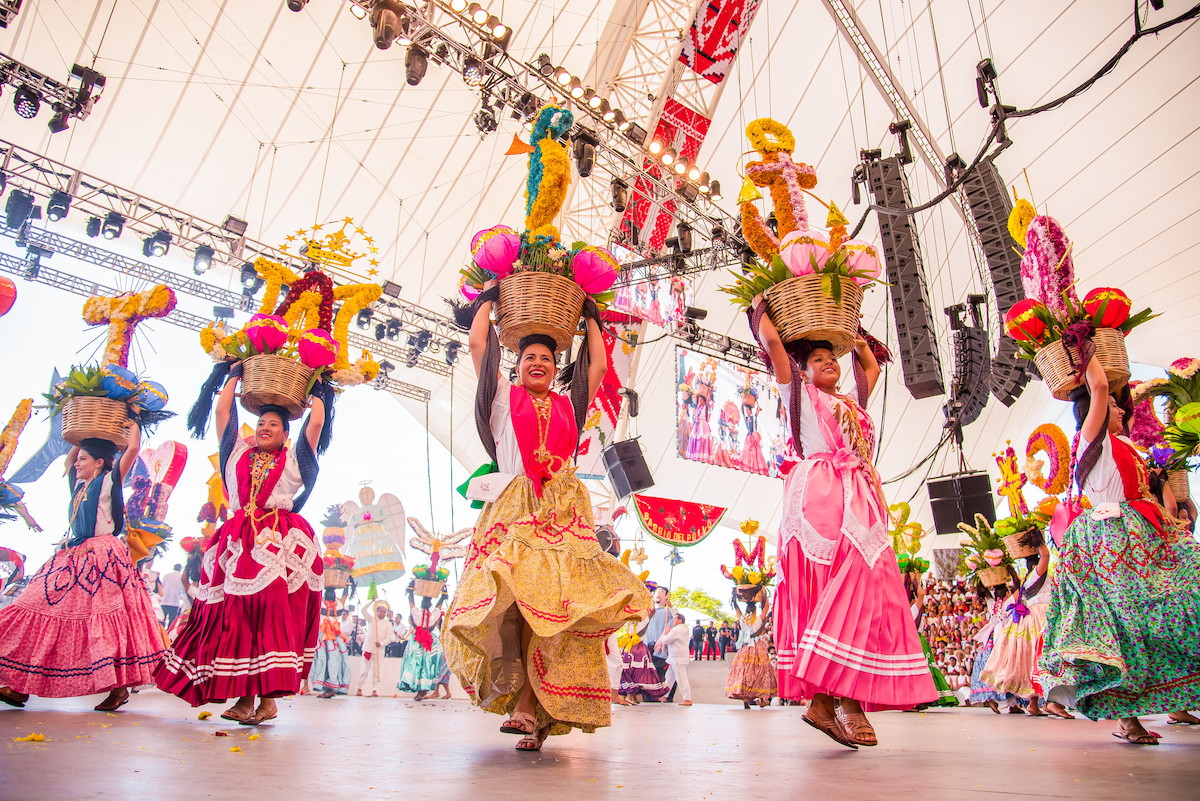
The Guelaguetza is Oaxaca’s grandest indigenous celebration — a sweeping showcase of the state’s eight cultural regions, each represented by delegations of dancers, musicians, and artisans dressed in elaborately embroidered traditional clothing. It takes place on the last two Mondays of July at the open-air Auditorio Guelaguetza, a purpose-built amphitheater carved into the slope of Cerro del Fortín overlooking the entire Oaxaca Valley.
The roots of the celebration predate the Spanish conquest. Long before it became a formal festival in the 1930s, Zapotec communities gathered on Cerro del Fortín to honor Centéotl, the goddess of corn and fertility, with offerings, dances, and communal feasting. Today that ancient impulse of collective gratitude lives on in every twirl of a skirt, every beat of a drum, and every ear of corn tossed into the crowd from the stage.
For international and Mexican travelers alike, attending the Guelaguetza is one of the most powerful cultural experiences in all of Latin America. It was declared a UNESCO-recognized Intangible Cultural Heritage candidate and continues to be celebrated as a symbol of Oaxacan identity.
When Is the Guelaguetza? Dates, Schedule & Timing
The main Guelaguetza performances always fall on the last two Mondays of July. Each Monday features two separate sessions:
| Session | Approximate Time | Seating Notes |
|---|---|---|
| Morning Session | 10:00 AM – 2:00 PM | Most popular; book far in advance |
| Afternoon Session | 5:00 PM – 9:00 PM | Cooler temperature; stunning sunset backdrop |
Beyond the headline shows, Oaxaca City buzzes with Guelaguetza-related events for the entire month of July: neighborhood tlayudas street parties, mezcal tastings in the courtyards of colonial mansions, regional markets, artisan fairs, and free community dances called calenda processions that wind through the streets the night before each main event.
Planning Tip: Book Early
Oaxaca City fills to capacity during Guelaguetza season. Hotels, tour packages, and reserved seats at the Auditorio sell out months in advance. If you’re visiting in July, begin your planning no later than March or April.
The Regions, the Dances, and What to Expect on Stage
The magic of the Guelaguetza is the sheer diversity on display. Each of Oaxaca’s eight cultural regions sends a delegation, and every group brings dances, costumes, and music you will not see anywhere else on earth:
- Cañada Region — Known for the lively Flor de Piña dance from Tuxtepec, where women balance pineapples on their shoulders with extraordinary grace.
- Sierra Juárez (Northern Sierra) — Zapotec highland communities bring feathered headdresses, wooden masks, and the thunderous Danza de la Pluma, re-enacting the Spanish conquest of Mexico.
- Mixteca Region — Delegations from Santiago Apoala and surrounding communities present ancient weaving traditions woven into costume and movement.
- Valles Centrales (Central Valleys) — The heartland of Oaxacan culture, including Teotitlán del Valle, Mitla, and surrounding towns, brings the iconic Jarabe del Valle folk dance.
- Costa Region — Dancers from the Pacific coast, near Puerto Escondido, arrive with marimba rhythms, shell-bead necklaces, and vibrant tropical costumes.
- Papaloapan, Sierra Sur & Istmo — Each delegation adds its own language, instruments, and textile traditions to the mosaic.
At the climax of each performance, delegations throw gifts into the audience — mezcal miniatures, tejate cups, hand-woven textiles, seasonal fruits, and regional delicacies. Catching these offerings is considered a joyful blessing.
Seats, Tickets and Getting to the Auditorio Guelaguetza
Seating Sections
The Auditorio Guelaguetza is divided into two types of sections:
- Palcos (Reserved Covered Seats) — Shaded, assigned seating closer to the stage. These require advance ticket purchase through official Oaxaca government channels.
- Gradas (Free Open Sections) — The upper tiers of the amphitheater are free and open to the public on a first-come, first-served basis. Arrive at least 2–3 hours before showtime to secure a good spot.
Getting There
- The Auditorio is located on Cerro del Fortín, about a 20-minute walk uphill from the city center or a short taxi/ride-share trip.
- Roads become extremely congested on Guelaguetza Mondays — budget extra travel time.
- Many visitors choose to walk via the Escaleras del Fortín (the stairs of the Fortín), a scenic route lined with food stalls, artisan vendors, and pre-festival performances.
What to Bring
- Sun protection (hat, sunscreen, sunglasses) — morning sessions under direct sun can be intense
- A light jacket or rebozo for afternoon/evening sessions
- Water and snacks (vendors are present but lines are long)
- Cash in Mexican pesos for street food, artisan goods, and transport
- A small backpack rather than a large suitcase for ease of movement
Beyond the Auditorio: Making the Most of Guelaguetza Season
The Guelaguetza performance is the centerpiece — but the entire month of July is a cultural treasure chest waiting to be opened. Here’s how to build a complete Oaxacan experience around the festival:
Day Trips from Oaxaca City During Guelaguetza Season
The Central Valleys are at their most festive in July. Consider pairing your festival visit with a full-day exploration of the archaeological ruins at Monte Albán and the artisan villages of Arrazola and San Bartolo Coyotepec, where the Zapotec civilization that created the Guelaguetza tradition flourished for over a thousand years.
For a deeper immersion into the weaving traditions celebrated on the Guelaguetza stage, visit Teotitlán del Valle — the carpet-weaving capital of Oaxaca — as part of our Hierve el Agua Falls, Mitla Ruins & Mezcal full-day tour. You’ll meet the same master weavers whose families send delegations to the Guelaguetza every year.
For those who want to connect with the mountain cultures that power the Danza de la Pluma and the Sierra Juárez delegations, our Glass Viewpoint & Mountain Villages (Northern Sierra) tour takes you into the cloud forests and Zapotec highland communities that have kept these traditions alive for centuries.
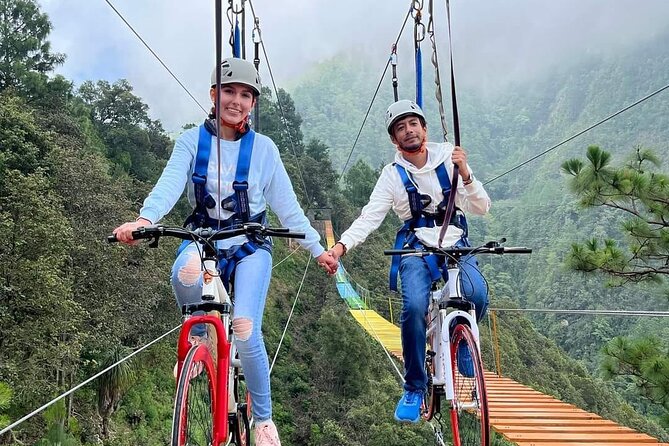
Nature adventurers can extend their Oaxaca experience with a journey south to San José del Pacífico & Hanging Bridges, a misty mountain village in the Sierra Sur that has become legendary among travelers seeking both natural beauty and indigenous Sierra culture — the same Sierra culture represented at the Guelaguetza stage.
A Real Traveler’s Experience
“I had traveled to many festivals before, but nothing prepared me for the Guelaguetza. When the Flor de Piña delegation came out, the crowd erupted — hundreds of women in immaculate white huipiles, each balancing a pineapple on her shoulder without a single drop in sight. Then they started throwing mezcal into the stands, and a tiny bottle landed right in my hands. I burst into tears. It felt like the entire history of Mexico was being handed to me as a gift.”
Guelaguetza Tips: What Every Visitor Should Know
- Respect the ceremony — The Guelaguetza is a sacred cultural act, not a performance for tourists. Dress modestly, applaud generously, and refrain from talking loudly during the dances.
- Learn a few Zapotec words — Even a simple “Diose ti'” (thank you in Zapotec) to a delegation member will earn you a warm smile and genuine connection.
- Free alternative: Guelaguetza Comunitaria — Several local neighborhoods organize free community Guelaguetza celebrations in the days leading up to the main event. Ask locally or check the Oaxaca State Tourism website for the schedule.
- Try the regional food — The food stalls lining the path to the Auditorio are a Guelaguetza experience in themselves: tlayudas, memelas, chapulines (roasted grasshoppers), tejate, and more.
- Photograph respectfully — Always ask permission before photographing individual dancers or community members up close.
- Book accommodation in Oaxaca City center — Staying within walking distance of the Zócalo puts you close to nightly calenda processions, spontaneous street performances, and pre-festival markets.
Frequently Asked Questions About the Guelaguetza
What does “Guelaguetza” mean?
The word comes from the Zapotec language and means “offering,” “gift,” or “reciprocal exchange.” It embodies the communal spirit of giving and receiving that defines Oaxacan indigenous culture — a value that predates the Spanish conquest by many centuries.
Is the Guelaguetza only in July?
The official Guelaguetza is always held on the last two Mondays of July. However, smaller community-led celebrations and cultural events inspired by the Guelaguetza take place throughout the year in Oaxaca City and surrounding villages. In November, some celebrations overlap with Día de Muertos traditions.
Do I need tickets to attend?
Reserved seating (palcos) requires advance tickets, typically available through official government tourism channels. The upper open-air sections (gradas) are free — but arrive very early. Check the Mexican federal tourism authority (SECTUR) for official ticketing information.
Is the Guelaguetza appropriate for children and families?
Absolutely. The Guelaguetza is a joyful, family-friendly event full of music, color, and the excitement of catching gifts thrown from the stage. Children tend to be captivated by the elaborate costumes and the energy of the crowd. The free gradas sections are particularly lively and informal.
Can I visit indigenous villages associated with the Guelaguetza?
Yes — and it is one of the most enriching things you can do. Villages like Teotitlán del Valle, Tehuantepec (Istmo region), and communities in the Sierra Juárez are real living communities whose members participate in the Guelaguetza. Visiting them, ideally with a responsible local guide, adds tremendous depth to what you see on the Auditorio stage. Our tours are designed to make exactly these authentic connections possible.
What is the Leyenda de la Princesa Donaji and how does it relate to the Guelaguetza?
Each Guelaguetza opens with the theatrical re-enactment of the Leyenda de Donají — the story of a Zapotec princess who sacrificed herself for her people. This legend is performed on the eve of the main festival days and is deeply embedded in Oaxacan identity. Attending the Donají pageant alongside the main dances gives you the full emotional arc of the celebration.
Combine the Guelaguetza With Unforgettable Day Trips
Festival week in Oaxaca doesn’t have to mean staying in the city every day. The mornings and afternoons before each Guelaguetza Monday are perfect for exploring the extraordinary landscapes and archaeological wonders that surround Oaxaca City. Consider our Apoala Falls & Mountains tour to the dramatic canyon-and-waterfall landscape of the Mixteca region — home to communities whose delegation performs at the Guelaguetza — or venture underground with the San Sebastián de las Grutas cave and cenote adventure. For conservation context on the landscapes these indigenous communities protect, the National Commission of Natural Protected Areas (CONANP) offers detailed information on Oaxaca’s protected regions.
Information may change; please confirm schedules, regulations, and availability before booking. For legal, environmental, or safety matters, consult local authorities or official sources.
For the latest updates, visit our Tours Oaxaca MX homepage or browse our full tour catalog.
The Guelaguetza Is Waiting for You
There are festivals, and then there are experiences that permanently rewire the way you see the world. The Guelaguetza belongs firmly in the second category. From the ancient hilltop amphitheater to the swirling headdresses, from the mezcal bottles arcing through the July air to the sound of eight regional languages echoing across the valley — this is Oaxaca at its most alive. Come with an open heart, bring good walking shoes, and let the offering find you.


