


 Oaxaca Culture
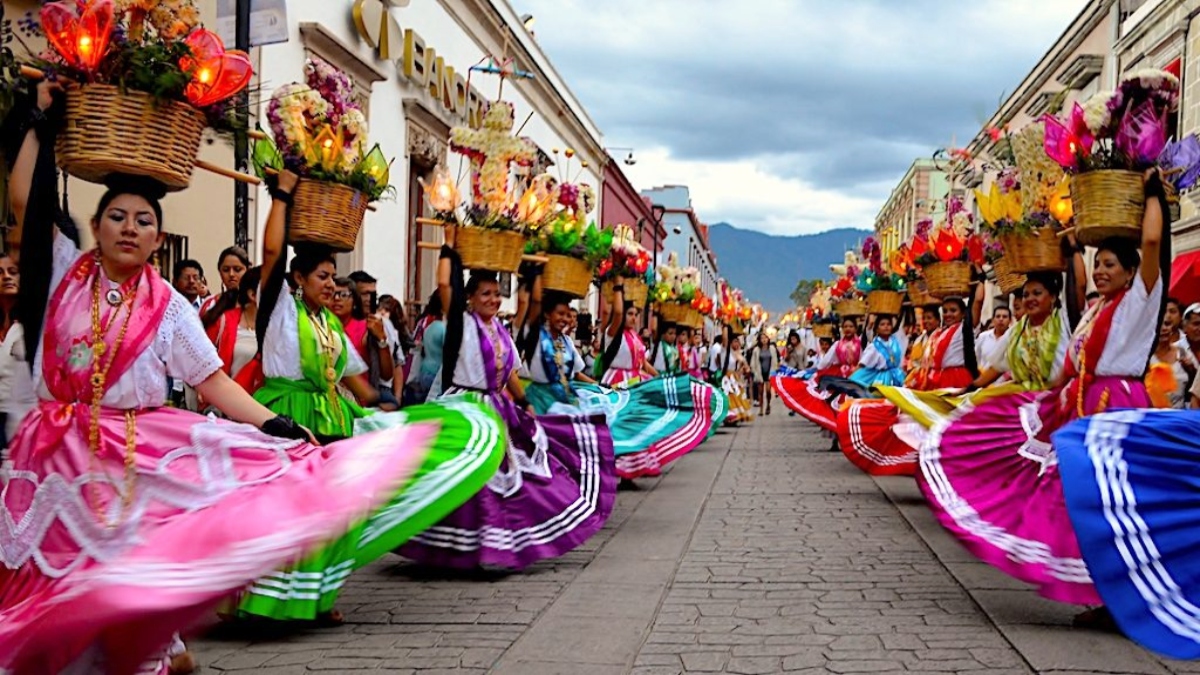
Every July, the hills above Oaxaca City come alive with color, sound, and ancient tradition. La Guelaguetza — often called the most important indigenous cultural festival in all of Mexico — transforms the region into a living tapestry of feathered headdresses, marimba rhythms, and the deep, smoke-sweet scent of copal incense. If you’re planning a trip around this extraordinary event, there’s no better time to experience the soul of Oaxaca. And the best part? The celebrations don’t end at the amphitheater.
What Is La Guelaguetza? Understanding the Spirit of Sharing
The word Guelaguetza comes from the Zapotec language and translates roughly as “reciprocal exchange” or “offering.” It’s a concept deeply embedded in the indigenous worldview of Oaxaca’s communities: you give generously, and in turn, gifts flow back to you. Today, this philosophy manifests in a grand annual celebration where delegations from Oaxaca’s eight regions gather to share their traditional dances, music, costumes, and crafts with the world.
The official ceremony takes place at the Auditorio Guelaguetza on Cerro del Fortín — a stunning open-air amphitheater carved into the hillside overlooking Oaxaca City. The views alone are worth the trip. Thousands of spectators fill the seats to watch delegations from communities such as the Sierra Juárez, the Cañada, the Mixteca, the Isthmus of Tehuantepec, and the Central Valleys perform ancestral dances passed down over generations.

According to the Oaxaca Secretary of Tourism, La Guelaguetza is recognized as one of the most important folkloric events in Latin America, drawing visitors from across Mexico and the world each year.
Lunes del Cerro: The Monday on the Hill
Lunes del Cerro — literally “Monday on the Hill” — refers to the specific days when the main Guelaguetza performances are held. Traditionally, these are the two Mondays following the feast of the Virgin of Carmen (July 16). In 2025, that means celebrations fall on July 21 and July 28, though the festival atmosphere engulfs the entire city for weeks before and after.
The schedule on each Lunes del Cerro typically follows a breathtaking sequence: delegations enter the amphitheater in full regalia, each group performs their signature regional dances, and at the peak of each performance, dancers hurl gifts — pineapples, mezcal bottles, tlayudas, and handwoven textiles — into the crowd. It’s a joyful, generous, and genuinely moving experience that leaves most visitors in awe.
Pre-Guelaguetza Events: The City-Wide Celebration
Don’t make the mistake of thinking La Guelaguetza is just a two-day event. In reality, the celebrations extend across most of July and include:
- Bani Stui Gulal — A historical recreation of pre-Hispanic Guelaguetza ceremonies in indigenous costume
- Noche de Rábanos Preview Events — Artisan displays leading up to the carving contest in December, some of which are showcased in July street fairs
- Mezcal tastings and culinary markets throughout the Zócalo and surrounding neighborhoods
- Free neighborhood Guelaguetzas — Smaller, more intimate versions held in the barrios of Jalatlaco, Xochimilco, and Trinidad de las Huertas
- Cultural exhibitions at MACO (Museo de Arte Contemporáneo de Oaxaca) and the Textile Museum
The Regions and Their Dances: A Guide to What You’ll See
One of the most magical aspects of La Guelaguetza is witnessing dances that almost no visitor has seen before — not a watered-down performance for tourists, but dances with deep spiritual and historical roots still practiced in remote villages throughout Oaxaca.
| Region | Representative Community | Notable Dance / Tradition | Signature Element |
|---|---|---|---|
| Central Valleys | Teotitlán del Valle | Danza de la Pluma (Feather Dance) | Elaborate feathered headdresses, 4+ hours in village version |
| Sierra Juárez | Ixtlán de Juárez | Danza de los Jardineros | Colorful floral costumes, marimba accompaniment |
| Cañada | San Juan Bautista Cuicatlán | Danza de los Listones | Ribboned pole dancing, festive community energy |
| Mixteca | Huajuapan de León | Danza de los Chareos | Mirrored costumes, dramatic footwork |
| Isthmus of Tehuantepec | Juchitán de Zaragoza | La Sandunga | Gold jewelry, huipil dress, the most iconic image of Oaxacan womanhood |
| Costa | Pinotepa Nacional | Danza de los Diablos | African-indigenous fusion, masks, powerful rhythm |
| Papaloapam | San Lucas Ojitlán | Danza Mazateca | White-and-red embroidered huipiles, ceremonial offerings |
| Sierra Sur | San José del Pacífico | Danza de la Tortuga | Nature-inspired movements, Sierra mountain spirit |
Planning Your Visit: Practical Tips for La Guelaguetza
La Guelaguetza is one of the most sought-after experiences in Mexico, which means the city fills up fast. Here’s how to make the most of your trip:
- Book accommodation early. Oaxaca City hotels sell out weeks — sometimes months — in advance for the Lunes del Cerro dates. Look for options in the historic center or the neighborhoods of Jalatlaco or Reforma.
- Secure your seats ahead of time. The Auditorio Guelaguetza has both ticketed (palco) sections and free (guelaguetza) sections. Free sections fill up hours before the show — arrive at dawn if you want a good spot.
- Dress for the sun. The amphitheater is exposed, and July in Oaxaca means warm mornings and afternoon thundershowers. Bring sunscreen, a hat, and a light rain jacket.
- Bring a small bag to catch gifts. Delegations toss regional products into the crowd — pineapples, tortillas, mezcal — and it’s all part of the celebration.
- Explore beyond the amphitheater. The days surrounding Lunes del Cerro are perfect for day trips to cultural sites and indigenous villages.
- Taste the season. July is prime mole season — try all seven varieties — and the street food around the festival is unbeatable.
A Traveler’s Story
“I flew in from Toronto thinking I’d see a nice dance show and maybe try some mezcal. What I didn’t expect was to be standing in the nosebleeds at 7 a.m., tears running down my face as a woman from Juchitán danced La Sandunga in a gold-draped huipil with the entire valley of Oaxaca spread behind her in the morning light. A week later I was still thinking about it. I cancelled my flight extension twice just to keep exploring the villages. La Guelaguetza changed something in me.”
— Mara K., Toronto, Canada
Extend Your Guelaguetza Trip: Day Tours That Bring the Culture Deeper
La Guelaguetza gives you a spectacular overview of Oaxaca’s cultural diversity — but to truly understand the dances, the textiles, and the food you witness at the amphitheater, you need to visit the communities themselves. Our guided day tours take you directly into the landscapes and villages that shape Oaxacan identity.
-
Hierve el Agua, Mitla & Mezcal: Journey through the Central Valleys to the petrified waterfall at Hierve el Agua, explore the ancient Zapotec funerary complex at Mitla, and visit a traditional distillery in the mezcal heartland. The weaving village of Teotitlán del Valle — home to the famous Danza de la Pluma — is also on this route.
Book the Hierve el Agua, Mitla & Mezcal Tour → -
Monte Albán Ruins & Artisan Villages: Stand on the terraces of Monte Albán, a UNESCO World Heritage Site, where Zapotec civilization flourished for over 1,500 years. Then visit the carving villages of Arrazola and San Bartolo Coyotepec — whose Black Clay pottery is displayed in the Guelaguetza celebrations.
Book the Monte Albán & Artisan Villages Tour → -
Sierra Juárez Glass Viewpoint & Mountain Villages: Drive north into the dramatic Sierra Juárez — the highlands represented by some of the most vibrant Guelaguetza delegations. Visit the Glass Viewpoint above Ixtlán and discover communities that have maintained their Zapotec identity for millennia.
Book the Sierra Juárez Mountain Tour → -
San José del Pacífico & Hanging Bridges: Explore the misty Sierra Sur — home of ancient cloud forests and indigenous mountain communities. San José del Pacífico sits at over 2,700 meters and offers a deeply different face of Oaxaca.
Book the San José del Pacífico Adventure → -
Apoala Falls & Canyon: Venture into the Mixteca — the region whose delegation brings some of the most elaborate costumes to Lunes del Cerro — and discover the sacred canyon and waterfalls of Santiago Apoala.
Book the Apoala Falls & Mountains Tour →
Frequently Asked Questions About La Guelaguetza
When exactly does La Guelaguetza take place?
La Guelaguetza is held on the two Mondays following July 16 (feast of the Virgin of Carmen) each year. In most years this falls on the third and fourth Mondays of July. The broader festival atmosphere — including free neighborhood Guelaguetzas, food markets, and cultural exhibitions — spans most of July. Check the Oaxaca Secretary of Tourism for the official program each year.
Are there free options to experience La Guelaguetza?
Yes. The upper sections (gradas) of the Auditorio Guelaguetza are free, though seats are not guaranteed and you’ll need to arrive very early. Additionally, free Guelaguetza performances are held throughout the city in the barrios and central markets during the festival weeks — these community events are often more intimate and equally moving.
How long does the main performance last?
Each Lunes del Cerro event typically runs between 3 and 4 hours, starting in the morning. The exact duration varies by year and the number of participating delegations. Arrive well before the scheduled start time to claim your seat and soak in the pre-show atmosphere.
What should I wear and bring?
Wear comfortable, layered clothing — mornings can be cool at the hilltop amphitheater before the sun fully rises, but it warms up quickly. Bring sunscreen, a hat, sunglasses, a reusable bag (for caught gifts), water, and a light rain jacket for afternoon showers. A small pair of binoculars can be wonderful if you’re in the upper sections.
Is La Guelaguetza appropriate for children?
Absolutely. The festival is deeply family-oriented in its roots, and children are welcome everywhere. The excitement of catching gifts thrown from the stage and the riot of color and music make it an unforgettable experience for young travelers.
What day trips can I add around the festival dates?
The days before and after Lunes del Cerro are perfect for exploring the villages and landscapes connected to the cultures you’ll see at the amphitheater. Tours to Hierve el Agua and Mitla, Monte Albán and artisan villages, and the Sierra Juárez mountains all pair beautifully with a Guelaguetza visit.
Conclusion: Come for the Festival, Stay for the Soul
La Guelaguetza and the Lunes del Cerro are more than a festival — they are a living, breathing declaration of identity by the indigenous peoples of Oaxaca. To witness it is a privilege. To understand it, you must go beyond the amphitheater and walk the same mountains, markets, and village paths that have shaped these traditions for centuries. That’s exactly what our local guides are here to help you do.
Information may change; please confirm schedules, regulations, and availability before booking.
For legal, environmental, or safety matters, consult local authorities or official sources.
Visit our homepage or contact us for the most current tour details.
You can also consult the Mexico Secretary of Tourism for national travel guidelines.


