


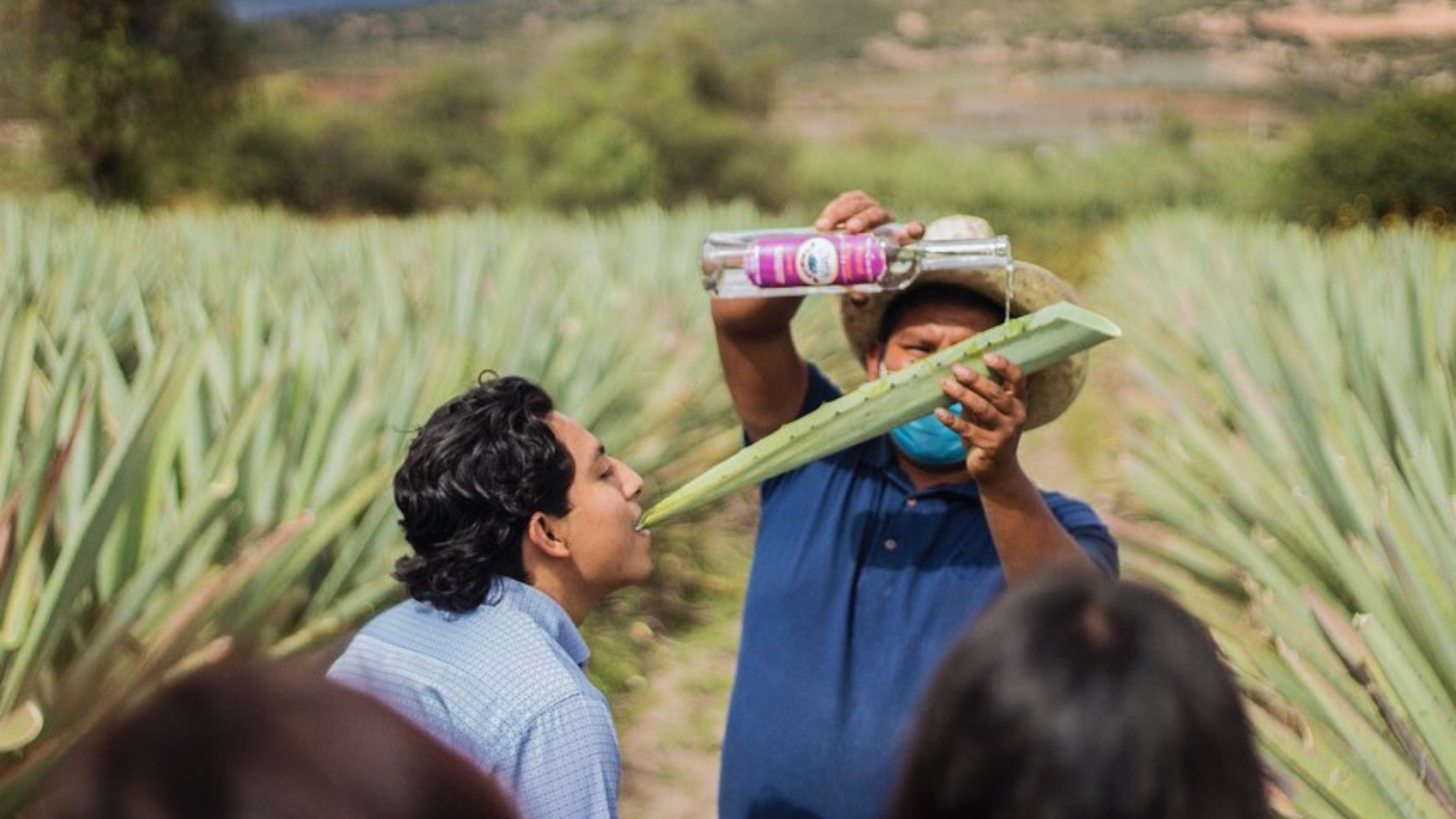
 Food & Drinks
If you’ve landed in Oaxaca and someone hands you a small clay cup filled with smoky, golden liquid — congratulations, you’re about to have your mezcal moment. Oaxaca is the heartland of mezcal, a spirit so deeply woven into local life that understanding it means understanding the culture itself. Whether you’ve never tasted mezcal or you’re just starting to explore beyond the standard shot, this guide will walk you through everything you need to know — from what it actually is, to where and how to taste it responsibly and meaningfully.
What Is Mezcal — And Why Does Oaxaca Own It?
Mezcal is a distilled spirit made from the heart — or piña — of the agave plant. While tequila is made exclusively from blue agave in Jalisco, mezcal can be produced from dozens of agave varieties, and the vast majority of Mexico’s mezcal comes from Oaxaca. The state accounts for an estimated 85–90% of all certified mezcal production in the country, according to data from the National Institute of Statistics and Geography (INEGI).
What makes Oaxacan mezcal unique is the process. Unlike many industrial spirits, artisanal mezcal is roasted underground in earthen pits lined with hot rocks, which gives it that signature smoky depth. The roasted piñas are then crushed (traditionally by a stone mill called a tahona pulled by a horse or mule), fermented naturally in open wooden vats, and double-distilled in clay or copper stills. Every stage is done by hand, often by families who have been making mezcal for generations.
The Oaxaca Secretary of Tourism recognizes mezcal as a key part of the state’s cultural heritage — and rightly so. In indigenous Zapotec and Mixtec communities, mezcal is offered at weddings, funerals, harvests, and ceremonies. It’s not just a drink; it’s a living ritual.

Mezcal vs. Tequila: The Key Differences
| Feature | Mezcal | Tequila |
|---|---|---|
| Agave varieties | 30+ (espadín, tobalá, tepeztate, etc.) | Blue agave only |
| Roasting method | Underground pit roasting (smoky) | Steam ovens or autoclaves |
| Main origin | Oaxaca (85–90%) | Jalisco |
| Production scale | Mostly artisanal / small batch | Mostly industrial |
| Flavor profile | Smoky, complex, earthy, fruity | Clean, crisp, grassy |
| ABV range | 40–55%+ | 35–55% |
How to Actually Taste Mezcal: A Step-by-Step Guide for Beginners
The golden rule in Oaxaca? Never shoot mezcal. Doing so is considered disrespectful to both the spirit and the people who made it. Instead, mezcal is sipped slowly in small pours, ideally from a copita (a small clay cup) or a jícara (a small gourd cup). Here’s how to do it right:
- Look at the mezcal. Hold the copita up to the light. Look for clarity, viscosity, and color — these offer clues about the agave, the roasting, and the distillation process.
- Breathe above it — don’t put your nose in. Mezcal has high alcohol, so hovering slightly above the rim helps you catch the aromatics (smoke, fruit, floral, herbal notes) without overwhelming your senses.
- Take a tiny first sip. Let it rest on your tongue. Your palate is adjusting. You may taste smoke first, then sweetness, then herbal or mineral notes emerge underneath.
- Add a drop of water if needed. Some high-proof mezcals open up beautifully with one small drop of water. This is completely acceptable and encouraged in tasting settings.
- Breathe out through your nose after swallowing. The retronasal finish is where complex mezcals truly shine — earthy, floral, or roasted notes often appear here.
- Accompany with an orange slice and sal de gusano. This is the local tradition — the worm salt (made from toasted agave worm, chili, and salt) cuts through the smokiness and cleanses the palate.
Mezcal Categories to Know
- Espadín: The most common agave. Approachable, smoky, earthy. Great for beginners.
- Tobalá: A wild agave that takes 12–15 years to mature. Floral, complex, often herbal. A step up for curious palates.
- Tepeztate: Wild agave. Can take 25+ years to grow. Incredibly rare and complex — herbaceous, vegetal, sharp.
- Cuishe / Jabalí / Mexicano: Less common varieties with distinctive flavor profiles. Ask for a flight to compare.
- Ensamble: A blend of two or more agave varieties distilled together or combined. Often surprising and layered.
Where to Go for Mezcal Tasting in and Around Oaxaca
Tasting mezcal in Oaxaca is best done in layers — start in the city to understand the categories, then visit a real palenque (mezcal distillery) in the countryside to see how it’s made. Here’s how the landscape looks:
In Oaxaca City
The historic centro is dotted with mezcalerías where knowledgeable staff guide you through flights. Look for small, family-run spots rather than tourist bars. The best tastings are the ones where the server knows exactly which village and producer made what you’re drinking.
On the Road to Mitla: The Mezcal Route
The highway connecting Oaxaca City to Mitla passes through the heart of mezcal country, including the towns of Matatlán (known as the “mezcal capital of the world”) and nearby villages where you can see artisan production firsthand. You can also stop in Teotitlán del Valle, a Zapotec weaving village where mezcal is part of daily ceremonial life. Our Hierve el Agua Falls, Mitla Ruins & Mezcal Tour combines all of these stops into one unforgettable day.
Visiting a Palenque
Nothing compares to watching mezcal being made. At a palenque, you’ll see the underground roasting pits (horno), the stone tahona wheel, the fermentation vats, and the clay pot stills. Many palenque families offer informal tastings after the tour. It’s a raw, authentic experience that no bar tasting can replicate.
Tips for a Responsible and Memorable Mezcal Experience
- Eat before you start. Mezcal is high-proof. Having a full meal — tlayuda, mole negro, or Oaxacan tasajo — before tasting keeps you grounded.
- Pace yourself with water. Drink a glass of water between tastings. Your palate and your head will thank you the next morning.
- Ask questions. Good producers love talking about their agave, their village, their family process. Curiosity is always welcomed.
- Buy directly from producers when possible. It supports local artisan families and you’ll often find bottles not available anywhere else.
- Avoid cheap “mixto” mezcal. Look for bottles labeled 100% agave and certified by the CRM (Consejo Regulador del Mezcal).
- Respect the ceremony. In many indigenous communities, mezcal is offered with a brindis (toast) ritual. Follow your host’s lead.
- Don’t mix it. Cocktails have their place, but for a first tasting, drink it neat with just the orange and sal de gusano.
A Traveler’s Story
“I thought I didn’t like mezcal. I’d tried it once at a bar back home and found it too harsh. But at a small palenque outside Matatlán, a third-generation maestro mezcalero poured me an espadín and watched my face as I tasted it properly for the first time — slowly, from a little clay cup, with just a pinch of worm salt. It tasted like smoke and wild herbs and something almost sweet underneath. He smiled and said, ‘Ahora sí lo conoces.’ Now you know it. He was right.”
Pairing Mezcal with Oaxacan Food
Mezcal and Oaxacan cuisine were made for each other. The smokiness of mezcal cuts beautifully through rich, complex sauces, while lighter varietals enhance the delicate flavors of fresh seafood or herbs. Here’s a quick pairing reference:
| Mezcal Type | Best Food Pairings | Flavor Notes |
|---|---|---|
| Espadín joven | Tlayuda, black beans, tasajo | Smoke, citrus, green herbs |
| Espadín reposado | Mole negro, enchiladas, chorizo | Caramel, smoke, vanilla |
| Tobalá | Quesillo, mushroom memelas, chapulines | Floral, tropical, herbal |
| Tepeztate | Seafood tostadas, fresh herbs, ceviche | Vegetal, sharp, complex |
| Ensamble | Mole amarillo, braised meats | Layered, earthy, long finish |
Beyond Mezcal: Exploring More of Oaxaca’s Wonders
Mezcal is just one layer of what Oaxaca offers. While you’re here, consider pairing your mezcal experience with deeper explorations of the state’s natural and cultural landscape. The Monte Albán Ruins & Artisan Villages Tour visits Zapotec archaeological sites alongside black clay and alebrije artisan communities. For those drawn to nature, the Glass Viewpoint (Ixtlán) & Mountain Villages Tour takes you into the Sierra Juárez cloud forests, while the San José del Pacífico & Hanging Bridges Tour leads into one of the most spiritually and naturally significant mountain villages in Mexico. And if you want to see where the mezcal journey truly begins — in the volcanic landscape surrounding Hierve el Agua and Mitla — that’s the tour to start with.
Mezcal culture is also deeply connected to Oaxaca’s indigenous heritage, which is recognized as part of Mexico’s protected cultural patrimony. Learn more about regional traditions and ecological protection through the National Commission for Natural Protected Areas (CONANP) and the UNESCO World Heritage programme, which lists Oaxaca’s central valleys among its recognized cultural landscapes.
Frequently Asked Questions About Mezcal Tasting in Oaxaca
Is mezcal safe to drink for someone who doesn’t drink much alcohol?
Yes — as long as you pace yourself. Mezcal’s high ABV means small sips go a long way. Eat beforehand, drink water between tastings, and don’t rush. A tasting flight of 3–4 mezcals in small copita pours is manageable for most people. Let your guide know your tolerance and they’ll adjust accordingly.
What’s the difference between artisanal and industrial mezcal?
Artisanal mezcal is made using traditional methods: underground pit roasting, natural fermentation, and clay or copper pot distillation. Industrial mezcal is mass-produced using autoclaves and column stills. For authentic Oaxacan mezcal, always look for bottles labeled “artesanal” or “ancestral” and certified by the CRM.
Can I bring mezcal bottles home in my luggage?
Yes. You can carry bottles in your checked luggage (wrapped carefully) or buy them at the airport duty-free. Most airline regulations allow standard bottle sizes. When buying directly from a palenque, ask the producer about proper sealing and packing to avoid leakage.
What is “sal de gusano” and do I have to eat it?
Sal de gusano is a condiment made from ground toasted agave worm (chinicuil), chili, and salt. It’s traditionally eaten with the orange slice that accompanies mezcal. You’re not required to try it, but most visitors find the savory-spicy contrast with the smoky mezcal surprisingly delightful.
Are there mezcal tours that include a palenque visit?
Absolutely. Our Hierve el Agua, Mitla Ruins & Mezcal Tour includes a visit to a mezcal producer in the valley. You’ll see production firsthand and taste several varieties with a bilingual local guide who can explain the cultural and agricultural context of what you’re sipping.
Is it okay to visit a palenque without booking a tour?
Some palenques welcome walk-ins, but many are family operations in small villages without clear signage or regular hours. Going with a local guide ensures you’re welcomed, that you understand what you’re seeing and tasting, and that your visit benefits the community directly.
Information may change; please confirm schedules, regulations, and availability before booking. For legal, environmental, or safety matters, consult local authorities or official sources. Visit our Tours Oaxaca MX homepage or contact us for the most current tour information.
Your Mezcal Journey Starts Here
Mezcal isn’t just something you drink in Oaxaca — it’s something you learn. Every agave variety, every village, every maestro mezcalero carries a story that’s thousands of years in the making. The first time you hold a small clay copita up to the light, breathe in that smoke and earth, and take a slow sip, you’ll understand why Oaxacans say: “Para todo mal, mezcal — y para todo bien, también.” For every hardship, mezcal — and for every joy, the same. Come taste it for yourself.


