


 Adventure & Nature
Oaxaca City is magnetic — its food, markets, and colonial architecture could easily fill a week on their own. But step beyond the city limits and you’ll find another world entirely: petrified waterfalls tumbling into mineral pools, cloud forests draped in mist, ancient cave systems, soaring mountain viewpoints, and villages that feel untouched by time. Whether you’re chasing adventure or simply craving silence, the natural landscapes surrounding Oaxaca are nothing short of extraordinary. Here are the best nature day trips you can take from Oaxaca City.

Why Nature Day Trips from Oaxaca City Are Worth It
Oaxaca state is one of Mexico’s most biodiverse regions — home to three distinct mountain ranges, dozens of rivers, and ecosystems that shift dramatically within just a few kilometers. The Sierra Juárez, the Mixteca Alta, and the valleys surrounding Oaxaca City each offer completely different landscapes, making every day trip feel like a new adventure.
Most of the top nature destinations are within 1–3 hours of the city, which means you can leave after breakfast and return in time for a mole dinner on the zócalo. Guided tours make things even smoother — no navigation stress, no language barriers, and the benefit of a local who actually knows the trail, the story behind each site, and the best spot to take a photo.
Beyond scenery, these trips connect you to indigenous communities, pre-Hispanic history, and living traditions that make Oaxaca one of the most culturally rich destinations in Latin America. Nature and culture intertwine here in ways you won’t find anywhere else.
Top Nature Day Trips from Oaxaca City
1. Hierve el Agua — Oaxaca’s Petrified Waterfalls
There’s truly nothing else like Hierve el Agua. Located about 70 km east of Oaxaca City, this site features natural rock formations that resemble frozen waterfalls cascading down a cliff face — formed over thousands of years by mineral-rich springs. The infinity pools at the top offer a surreal view over the valley of Oaxaca, perfect for a swim with a panorama.
The surrounding landscape is equally breathtaking: dry mountains, agave fields, and scattered Zapotec villages where you can watch weavers at work in Teotitlán del Valle. Many tours combine Hierve el Agua with a visit to the ruins of Mitla and a mezcal tasting — a perfect blend of nature, archaeology, and culture.
👉 Hierve el Agua Falls, Mitla Ruins & Mezcal Day Tour
2. Sierra Juárez — Mountains, Cloud Forest & the Glass Viewpoint
Drive north from Oaxaca City and within 90 minutes you’re in an entirely different climate zone. The Sierra Juárez mountains rise above 3,000 meters and shelter communities like Ixtlán de Juárez, known for their community ecotourism programs and spectacular natural environments.
One of the most unforgettable stops is the Glass Viewpoint (Mirador de Cristal) — a transparent platform jutting out over a dramatic mountain canyon with views stretching for miles. Nearby trails wind through pine-oak forests, past waterfalls and rivers, and through Zapotec villages that have managed their forests sustainably for generations. The air smells like pine resin and wildflowers. It’s a world away from the city heat.
👉 Glass Viewpoint (Ixtlán) & Mountain Villages Tour
3. Santiago Apoala — Hidden Canyon & Waterfall
For travelers who want something truly off the beaten path, Santiago Apoala is one of Oaxaca’s best-kept secrets. Nestled in a deep canyon in the Mixteca region, this tiny village is ringed by towering limestone cliffs and fed by a crystal-clear river. According to Mixtec cosmology, this is the place where humanity was born — the canyon is called the “cradle of the Mixtec people.”
The main draw is the stunning Apoala waterfall, reachable via a scenic hike through the canyon. You’ll also find a cave system and natural pools for swimming. The landscape is dramatic and wild — a perfect escape for nature lovers and photographers alike.
👉 Apoala Falls & Mountains Tour
4. San José del Pacífico — Misty Mountains & Hanging Bridges
Perched at nearly 2,700 meters above sea level in the Sierra Sur, San José del Pacífico is the kind of place that makes you stop and breathe slowly. The village sits in a permanent cloud — mornings are cool and ethereal, views open up on clear days revealing the Pacific coast in the distance.
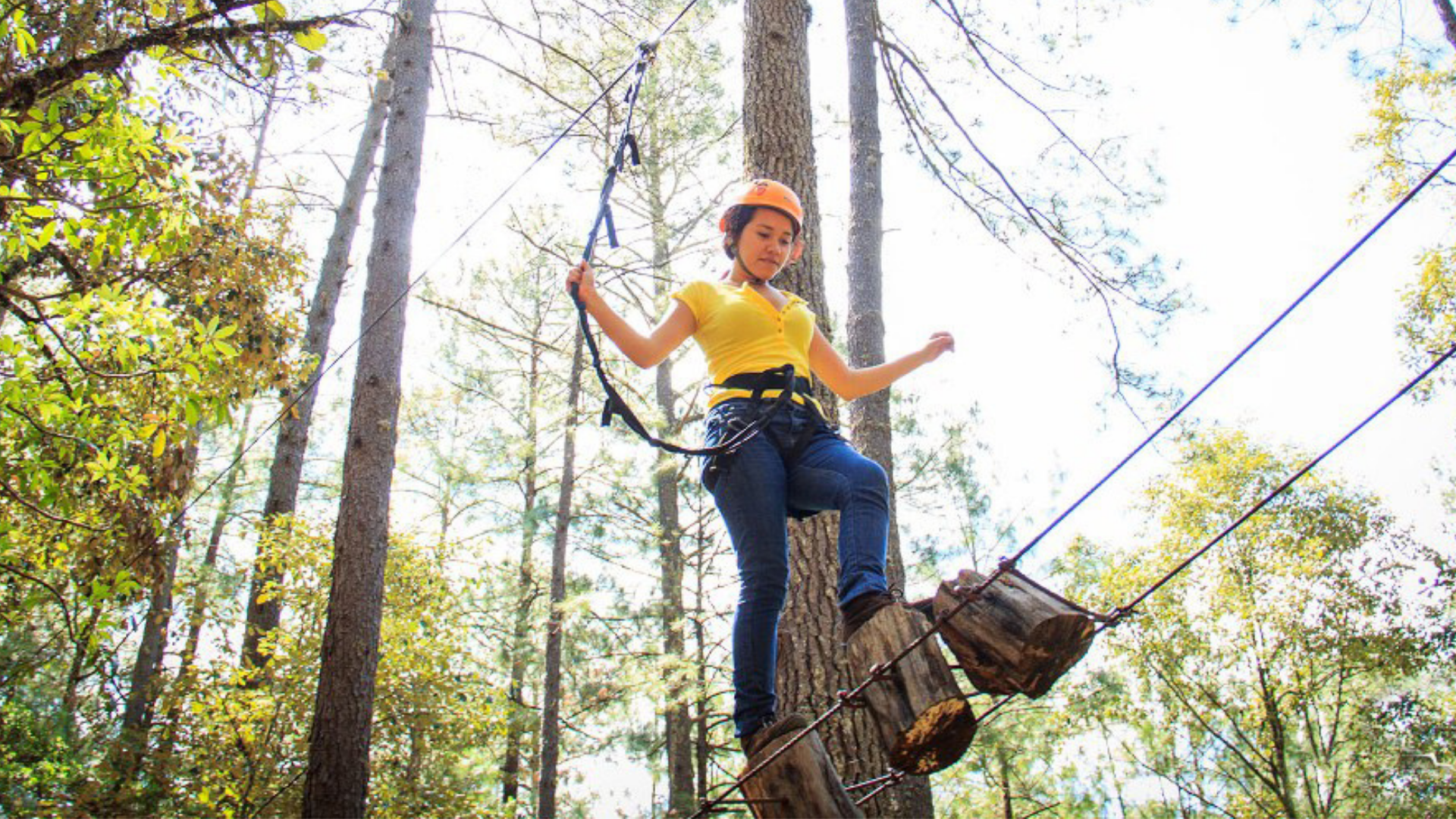
The area offers suspension bridges over cloud forest ravines, hiking trails, and a peaceful atmosphere that feels almost meditative. It’s a perfect contrast to the dry valleys near Oaxaca City, and the journey there — through pine forests and mountain curves — is an experience in itself.
👉 San José del Pacífico & Hanging Bridges Tour
5. San Sebastián de las Grutas — Caves & Underground Cenote
For something truly underground — literally — the caves of San Sebastián de las Grutas are an extraordinary natural wonder. The cave system includes dramatic stalactite and stalagmite formations and leads to a hidden underground cenote (natural freshwater pool) where you can swim in the dark, crystalline water.
This is a less-visited destination, which means smaller crowds and a more intimate experience. It’s ideal for travelers who want to go beyond the typical highlights and discover the lesser-known side of Oaxaca’s natural landscape.
👉 San Sebastián de las Grutas: Caves & Cenote Tour
Nature Day Trip Comparison: Oaxaca’s Best Options at a Glance
| Destination | Landscape Type | Difficulty | Best Season | Highlight |
|---|---|---|---|---|
| Hierve el Agua | Mineral springs, dry valley | Easy | Oct – May | Petrified waterfall & infinity pool |
| Sierra Juárez (Ixtlán) | Pine-oak cloud forest, mountain | Moderate | Year-round | Glass viewpoint over canyon |
| Santiago Apoala | Limestone canyon, river | Moderate | Nov – Apr | Hidden waterfall & cave |
| San José del Pacífico | Cloud forest, high sierra | Easy–Moderate | Nov – May | Suspension bridges & mountain mist |
| San Sebastián de las Grutas | Underground caves, cenote | Easy | Year-round | Underground swim in cenote |
| Monte Albán (+ villages) | Valley, archaeological site | Easy | Year-round | Zapotec ruins at sunset |
Tips for Planning Your Nature Day Trips from Oaxaca
- Start early: Most natural sites are best enjoyed in the morning before crowds and afternoon clouds roll in. Tours typically depart between 7–9 AM.
- Dress in layers: Oaxaca’s mountain destinations can be 10–15°C cooler than the city. Bring a light jacket even in summer.
- Wear comfortable shoes: Hiking sandals or trail shoes are strongly recommended for any nature destination.
- Bring sun protection: The valley around Hierve el Agua and Mitla is dry and exposed — sunscreen, a hat, and water are essential.
- Respect local communities: Many of these sites are managed by indigenous communities. Follow posted rules, ask before photographing people, and buy directly from local artisans when possible.
- Book a guided tour: Roads to sites like Apoala and San Sebastián are unpaved and can be difficult to navigate. A local guide also adds enormous cultural and historical context to each site.
- Check conditions before you go: Water levels at Hierve el Agua and Apoala vary by season. The rainy season (June–September) can affect access to some roads.
A Quick Word on Seasonality
Oaxaca’s dry season (October to May) is generally the best time for nature day trips. Water levels are lower but access is easier. The rainy season (June–September) brings lush greenery and dramatic skies — ideal for photography — but some mountain roads can become difficult. Always check current conditions with your tour operator.
For up-to-date environmental regulations and protected area access, consult CONANP (Mexico’s National Commission for Protected Natural Areas). For regional tourism information, visit the Oaxaca State Tourism Secretariat (SECTUR).
A Traveler’s Story: Finding Magic in the Sierra Juárez
“I almost skipped the Sierra Juárez because I thought Hierve el Agua and Monte Albán would be enough. I’m so glad I didn’t. Standing on the Glass Viewpoint — this transparent platform hanging over a canyon — with pine forest on every side and the smell of rain in the air, I felt completely overwhelmed. Our guide explained how the Zapotec community manages 25,000 hectares of forest without logging it. That story alone was worth the trip. Then we had lunch in Ixtlán — tortillas off the comal, black beans, and the quietest afternoon I’ve had in years.”
— Marta, traveler from Spain
Frequently Asked Questions: Nature Day Trips from Oaxaca
How far are these nature destinations from Oaxaca City?
Most destinations are between 60 and 180 km from Oaxaca City, translating to roughly 1.5 to 3.5 hours by road depending on the route. Some sites like Hierve el Agua are closer, while Apoala and San José del Pacífico require longer drives through mountain terrain.
Do I need to be physically fit to do these day trips?
Most trips are accessible to travelers with average fitness levels. Hierve el Agua, the caves of San Sebastián, and Monte Albán are easy-to-moderate. The Sierra Juárez and Apoala involve more walking — usually 2–5 km of hiking on natural trails — but are not technically demanding.
Can I visit these sites independently or do I need a guide?
Some sites like Hierve el Agua and Monte Albán are accessible independently, but others (especially Apoala and San Sebastián de las Grutas) are best — and sometimes only safely — visited with a knowledgeable local guide. Guided tours also provide transportation, which is a significant advantage given the road conditions to some locations.
What is the best time of year to do nature day trips in Oaxaca?
October through May is considered the best time for most destinations. The dry season means better road conditions, more reliable weather, and full access to sites. However, the rainy season offers stunning green landscapes and is excellent for photography enthusiasts.
Are these trips suitable for children?
Yes, most nature day trips are family-friendly, especially Hierve el Agua, the Sierra Juárez viewpoint, and the caves. The caves of San Sebastián are particularly exciting for kids. Always confirm with your tour operator about minimum age requirements and specific trail conditions.
Do these trips also include cultural experiences?
Almost always, yes. Oaxaca’s natural landscapes and indigenous communities are deeply intertwined. Most tours pass through artisan villages, offer mezcal tastings, or visit local markets and archaeological sites. Nature and culture in Oaxaca are inseparable.
Conclusion: Oaxaca’s Nature Waits Just Beyond the City
Whether you’re standing at the edge of a petrified waterfall, swimming in an underground cenote, or watching clouds roll through a pine forest at 2,700 meters — Oaxaca’s natural world has a way of staying with you long after you’ve returned home. These day trips don’t just show you beautiful landscapes; they introduce you to living communities, ancient cosmologies, and ecosystems that have been cared for over centuries. The city is wonderful — but the nature surrounding it is unforgettable. Book your trip, pack your layers, and go.
Information may change; please confirm schedules, regulations, and availability before booking. For legal, environmental, or safety matters, consult local authorities or official sources. For more details, visit our tours page or Mexico’s Federal Tourism Secretariat (SECTUR). Environmental and conservation information is available via SEMARNAT.


