


 Oaxaca Culture
Every July, Oaxaca City transforms into the beating heart of indigenous Mexico. The streets fill with color, music rises from the hillsides, and communities from across the state converge to share their most sacred traditions. This is the Guelaguetza — one of the most extraordinary cultural festivals in the Americas, and a celebration that no traveler who visits Oaxaca should miss. Whether you’re already planning a trip around it or simply want to understand what makes this festival so deeply meaningful, this guide has everything you need.
What Is the Guelaguetza? Understanding the Soul of This Festival
The word Guelaguetza comes from the Zapotec language and means “offering” or “cooperative exchange” — a concept deeply rooted in the pre-Hispanic tradition of communal giving. For centuries, communities throughout what is now the state of Oaxaca practiced this act of sharing harvests, labor, and celebrations with their neighbors. Long before it became an official festival, Guelaguetza was simply a way of life.
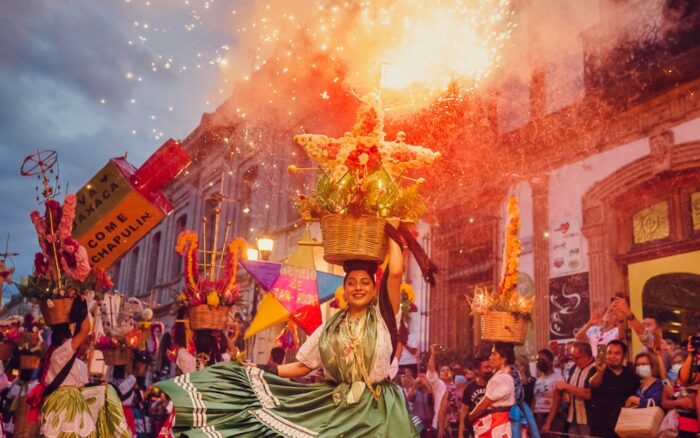
Today, the Guelaguetza Festival (also known as Los Lunes del Cerro, “Mondays on the Hill”) is held on the two Mondays following July 16th each year at the open-air Auditorio Guelaguetza on Cerro del Fortín, a hill overlooking Oaxaca City. Delegations from the eight distinct regions of Oaxaca — including the Cañada, Costa, Istmo, Mixteca, Papaloapan, Sierra Juárez, Sierra Sur, and Valles Centrales — come together to perform traditional dances, wear ancestral costumes, and share offerings with the audience.

According to Oaxaca’s Secretariat of Tourism, the Guelaguetza is recognized as one of Mexico’s most important intangible cultural heritage events, drawing hundreds of thousands of visitors to the city each year.
The Meaning Behind the Ceremony
What sets the Guelaguetza apart from ordinary folk dance performances is its spiritual and communal dimension. Dancers don’t simply perform — they offer. During the festival, community representatives throw gifts into the audience: handmade tortillas, mezcal, fresh fruits, flowers, and artisanal crafts. This act of tossing gifts is considered an act of gratitude and reciprocity — the true heart of Guelaguetza.
The Regions and Their Dances: A Journey Across Oaxaca Without Leaving the Hilltop
Each of Oaxaca’s eight regions brings its own language, costume, music, and choreography to the Auditorio. Watching the Guelaguetza is, in a very real sense, taking a living tour through the entire state. Here’s a glimpse of what each region contributes:
| Region | Notable Dance / Tradition | Distinctive Feature |
|---|---|---|
| Valles Centrales | Danza de la Pluma (Feather Dance) | Elaborate feathered headdresses, Zapotec heritage |
| Sierra Juárez | Danza de la Caña / Communal dances | Mountain communities, deeply indigenous character |
| Istmo de Tehuantepec | La Sandunga | Matriarchal Zapotec culture, elaborate Tehuana dress |
| Mixteca | Danza de la Serpiente | Pre-Hispanic cosmology, Mixtec weaving traditions |
| Costa | Chilenas | Pacific coast rhythms, Afro-Mexican influences |
| Cañada | Danza de los Huenches | Satirical masked dances, humor and tradition |
| Papaloapan | Son Jarocho influences | Lowland tropical rhythms, floral offerings |
| Sierra Sur | Regional dances from Miahuatlán / San José del Pacífico area | Cloud forest communities, highland mysticism |
The communities of the Sierra Juárez are particularly fascinating — rugged mountain villages that have maintained their Zapotec identity for millennia. If you want to experience this landscape firsthand, our Glass Viewpoint (Ixtlán) & Mountain Villages tour takes you deep into this breathtaking region beyond the festival stage.
Planning Your Visit: Essential Logistics for the Guelaguetza
The Guelaguetza is a major event, and attending it requires a bit of planning — especially if you want the best experience. Here’s a practical breakdown:
| Detail | Information |
|---|---|
| When | Two Mondays following July 16th each year |
| Location | Auditorio Guelaguetza, Cerro del Fortín, Oaxaca City |
| Duration | Approximately 5–6 hours per session (morning) |
| Ticket types | General (free, upper sections) and palco (reserved seating) |
| Arrival recommended | At least 2 hours early for general sections |
| Best month to visit Oaxaca for culture | July (Guelaguetza), November (Día de Muertos), December |
| Accessibility | Limited mobility paths available; confirm in advance |
Practical Tips for First-Time Attendees
- Arrive very early. The free general sections fill up hours before the festival starts, especially on the first Monday. Locals and experienced travelers arrive before sunrise.
- Bring sun protection. The auditorium is open-air and exposed. A hat, sunscreen, and sunglasses are essential for the morning session.
- Wear light clothing but bring a layer. Cerro del Fortín can catch a breeze, especially early in the morning.
- Catch the gifts. When delegations throw offerings, it’s part of the tradition to try to catch or pick them up — this is enthusiastically encouraged.
- Stay for neighborhood celebrations. Many traditional neighborhood (barrio) Guelaguetza celebrations happen throughout the city in the evenings during festival week — these are intimate, local, and deeply moving.
- Book accommodation well in advance. Oaxaca City hotels fill up months ahead of the Guelaguetza. Plan early.
- Explore beyond the main event. Use your days before or after the Guelaguetza to discover Oaxaca’s archaeological sites and natural wonders on guided day trips.
Beyond the Festival: Connecting with the Living Culture of Oaxaca’s Villages
The Guelaguetza is a window — but the real house is the land itself. The traditions you see performed on stage are born in communities scattered across mountains, valleys, and coasts that you can actually visit. After watching the Danza de la Pluma performed by a delegation from the Valles Centrales, imagine visiting the very valley where that heritage lives, breathing in the same air that has shaped those movements for centuries.
A visit to Teotitlán del Valle, one of the most celebrated weaving communities in Mexico, reveals Zapotec textile traditions that date back to before the Spanish conquest — the same traditions that color the Guelaguetza costumes. Pairing a trip to Monte Albán, the ancient Zapotec capital, with a visit to these artisan communities creates a profound connection to what you’ll see on the hilltop stage. Our Monte Albán Ruins & Artisan Villages tour does exactly that.
Further south, in the mountainous Sierra Sur, the mystical town of San José del Pacífico — whose community also participates in the Guelaguetza — sits wrapped in cloud forest and indigenous spirituality. The San José del Pacífico & Hanging Bridges day trip is a transformative complement to any cultural journey through Oaxaca.
And for those drawn to Oaxaca’s ancient ceremonial landscapes, the archaeological zone of Mitla — sacred seat of the Zapotec priests — stands as a powerful reminder that these living traditions have deep roots in civilizations that flourished long before the modern world. The Hierve el Agua Falls, Mitla Ruins & Mezcal day tour combines these sacred sites with the intoxicating world of mezcal culture.
A Traveler’s Story: Caught a Tortilla at Sunrise
“I arrived at the Auditorio at 5:30 in the morning, clutching a coffee, not entirely sure what I’d gotten myself into. By 9am, I was sitting in a sea of thousands of people from all over the world, watching a woman from the Istmo walk past in the most breathtaking embroidered dress I’d ever seen. When the delegation started throwing tortillas and flowers into the crowd, I caught one — and the woman next to me, a grandmother from Mexico City, burst into tears of joy. That moment cost nothing and gave everything. I’ve traveled all over Mexico, and the Guelaguetza remains the most moving thing I’ve ever witnessed.”
— Rachel M., traveler from Toronto, Canada
The Guelaguetza and Oaxaca’s Protected Cultural Heritage
The extraordinary biodiversity and cultural richness of Oaxaca is not accidental — it is the product of thousands of years of indigenous stewardship. Mexico’s federal government, through bodies like SEMARNAT, works to protect the natural ecosystems that sustain Oaxaca’s communities, while UNESCO has recognized the historic center of Oaxaca and Monte Albán as World Heritage Sites. The preservation of this heritage is what makes the Guelaguetza not just a festival, but a living statement of cultural survival.
When you participate in the Guelaguetza — whether by attending the auditorium, visiting artisan villages, or taking a guided tour through Oaxaca’s landscapes — you become part of a chain of reciprocity that has sustained these communities for centuries. That, ultimately, is what Guelaguetza means.
You can also explore the full range of Apoala Falls & Mountains and San Sebastián de las Grutas: Caves & Cenote experiences to round out your Oaxacan adventure during or around festival week.
Frequently Asked Questions About the Guelaguetza
When exactly does the Guelaguetza take place?
The Guelaguetza is held on the two Mondays following July 16th each year. If July 16th itself falls on a Monday, the festival moves to the following two Mondays to avoid overlapping with a period of mourning linked to a historic tragedy. Dates shift slightly year to year, so always verify the exact calendar before booking travel.
Is the Guelaguetza free to attend?
Yes — the general upper sections of the Auditorio Guelaguetza are free, but they fill up extremely quickly. Reserved lower sections (palcos) require a ticket obtained through official channels. There are also numerous neighborhood Guelaguetza celebrations around the city that are entirely free and often more intimate than the main event.
How long does each Guelaguetza performance last?
Each official session at the Auditorio runs approximately 5 to 6 hours, typically starting in the morning. Plan to arrive at least two hours early to secure a good spot in the general section.
Is the Guelaguetza appropriate for children and families?
Absolutely. The Guelaguetza is a joyful, community-focused celebration that families with children of all ages thoroughly enjoy. The gift-throwing tradition particularly delights younger attendees. Bring comfortable shoes, snacks, and plenty of water.
Can I experience Oaxacan culture outside of July?
Yes — Oaxaca is a year-round cultural destination. The Día de Muertos celebrations in late October and early November, the Night of the Radishes in December, and countless village patron saint festivals throughout the year offer equally rich cultural experiences. Our guided day tours operate all year and connect you directly with Oaxaca’s living heritage regardless of the season.
What is the best way to combine the Guelaguetza with day trips around Oaxaca?
Plan the Guelaguetza on your first or second Monday in Oaxaca, then use your remaining days to explore the wider state. The Hierve el Agua & Mitla tour on one day and the Monte Albán & Artisan Villages tour on another create a perfect cultural itinerary around the festival.
Information may change; please confirm schedules, regulations, and availability before booking. For legal, environmental, or safety matters, consult local authorities or official sources. You can also visit the Oaxaca Tourism Secretariat for the most up-to-date official information. For questions or bookings, visit our Tours Oaxaca MX homepage.


