


 Oaxaca Culture
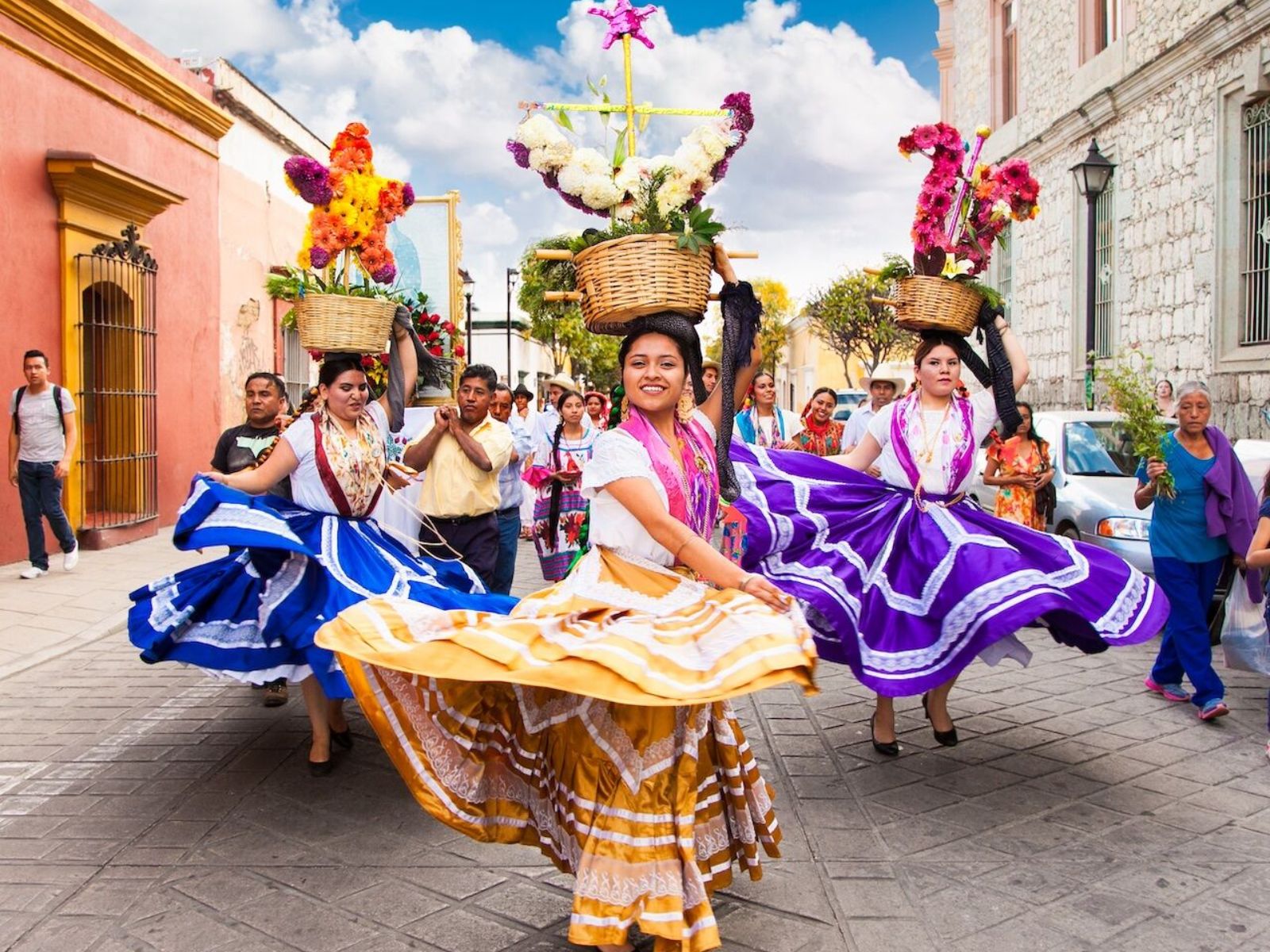
Every July, Oaxaca City transforms into something indescribable. The streets fill with marigold-colored skirts, feathered headdresses, thunderous marching bands, and the warm, communal energy of a celebration that has endured for centuries. The Guelaguetza Festival — locally known as Los Lunes del Cerro — is not a tourist show. It is a living expression of Oaxacan identity, indigenous pride, and the radical act of sharing. If you’re planning your first visit, this guide will make sure you arrive prepared, respectful, and ready to be moved.
What Is the Guelaguetza? Understanding the Name and Spirit
The word Guelaguetza comes from Zapotec and roughly translates to “reciprocal exchange of gifts and services.” It is an ancient concept that predates the Spanish conquest — a practice of communal giving rooted in solidarity between villages. In the context of the festival, that spirit of giving becomes literal: delegations from Oaxaca’s eight distinct regions perform their traditional dances on the hillside amphitheater of Cerro del Fortín, then throw gifts — pineapples, bread, mezcal bottles, handwoven crafts — into the crowd.
What you witness isn’t a performance crafted for visitors. It’s a gathering of communities asserting who they are: Zapotec, Mixtec, Mazatec, Chinantec, Triqui, Huave, Mixe, Zoque — eight regions, dozens of languages, one shared stage. The costumes, music, and choreography vary dramatically by region, and each delegation’s appearance tells a story that goes back generations.
Since 1932, the modern Guelaguetza has been officially organized and held at the purpose-built outdoor amphitheater, though the roots of the celebration stretch back to pre-Hispanic times when it was linked to corn rituals honoring the goddess Centeotl. For official tourism information about the festival, you can visit the Oaxaca State Tourism Secretariat.
When Does the Guelaguetza Take Place?
The Guelaguetza is held on the first and third Mondays of July each year — a tradition tied to the religious calendar of the Virgin of Carmen. Each Monday hosts two sessions: a morning session (typically starting around 10:00 AM) and an afternoon session (around 5:00 PM). The two Mondays feature slightly different regional delegations, so attending both gives you a fuller picture — though even one session is transformative.
| Detail | Information |
|---|---|
| When | First and third Monday of July |
| Where | Amphitheater on Cerro del Fortín, Oaxaca City |
| Sessions per day | Morning (~10:00 AM) and Afternoon (~5:00 PM) |
| Duration per session | Approximately 3–4 hours |
| Seating: Palco (paid) | Covered, reserved, front/center sections |
| Seating: Gradas (free) | Open concrete bleachers, first come first served |
| Regions represented | 8 (Cañada, Costa, Istmo, Mixteca, Papaloapan, Sierra Juárez, Sierra Sur, Valles Centrales) |
| Dress code | Comfortable, sun protection recommended for morning sessions |
| Photography | Permitted; flash restrictions may apply |
| If Monday falls on July 18 | Moved one week forward (anniversary of Benito Juárez’s death) |
The Week Around the Festival
The Guelaguetza is much more than two Mondays. The entire week — and often the days before — is packed with satellite events that are completely free and deeply worth attending. Look for:
- Bani Stui Gulal — a free, smaller-scale Guelaguetza held in the Llano park or at the amphitheater, typically the Sunday before, featuring youth delegations.
- Noche de Mezcal — evening tasting events celebrating Oaxaca’s signature spirit, with producers from across the state.
- Desfile de Delegaciones — the parade of regional delegations through Oaxaca City’s historic center, usually the Saturday before the festival. This is one of the most photogenic moments of the entire celebration.
- Calendas — nighttime street processions with giant puppets (monos de calenda), brass bands, and fireworks that wind through the city’s cobblestone streets.
- Gastronomy events — pop-up markets and restaurant menus spotlighting traditional cuisine from across Oaxaca’s regions.
The Eight Regions and What to Watch For
One of the most rewarding aspects of the Guelaguetza is learning to recognize the distinct visual and musical identity of each Oaxacan region. Here’s a brief orientation:
Valles Centrales
Home to Oaxaca City, Monte Albán, and the weaving village of Teotitlán del Valle, this region is known for the Jarabe del Valle — a graceful courtship dance where women balance elaborate headdresses of flowers and fruit without using their hands.
Sierra Juárez
The cloud-forest mountain communities of the northern Sierra present some of the most rhythmically complex dances in the festival. If you want to see where these communities live, our Glass Viewpoint & Mountain Villages tour takes you deep into this breathtaking region.
Mixteca
Delegations from the Mixtec highlands bring powerful, earth-rooted dances that reflect centuries of resistance and resilience. The Mixteca is also the gateway to Santiago Apoala, a remote canyon village surrounded by waterfalls — visit it on our Apoala Falls & Mountains tour.
Istmo de Tehuantepec
Known for its matriarchal Zapotec culture and the iconic Tehuana dress, the Isthmus delegation is always among the most visually spectacular. The voluminous embroidered huipil grande worn on the head is instantly recognizable and profoundly symbolic.
Costa, Cañada, Papaloapan, and Sierra Sur
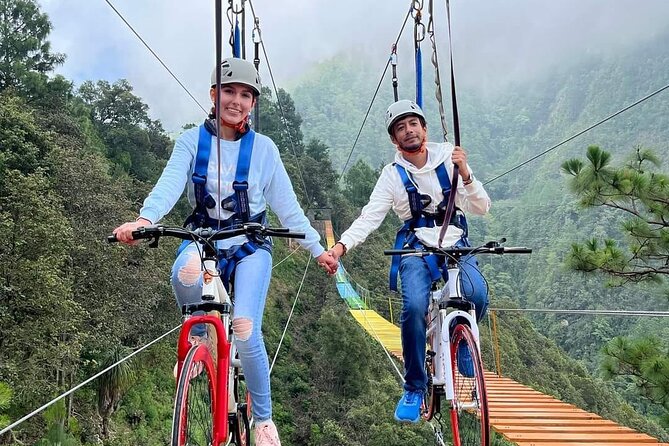
Each brings entirely distinct instruments, rhythms, and cosmologies to the stage — from the coastal Huave communities to the Mazatec highlands of the Cañada and the coffee-growing Sierra Sur, where San José del Pacífico sits in the clouds. Explore that region on our San José del Pacífico & Hanging Bridges adventure.
Practical Tips for First-Time Visitors
- Book accommodation months in advance. Oaxaca City fills up completely during Guelaguetza week. Hotels, Airbnbs, and hostels in the historic center are typically reserved by January or February for July dates.
- Arrive early for Gradas (free) seating. Gates typically open two to three hours before showtime. Bring a cushion — the concrete bleachers are unforgiving on a three-hour sit.
- Sun protection is non-negotiable for morning sessions. The amphitheater faces east and the July sun is intense at altitude. Hat, sunscreen, and a light layer are essential.
- Catch the gift-throwing. Try to position yourself in the lower sections of the free seating — pineapples, bread loaves, and handcraft bundles are thrown from the stage and it’s part of the Guelaguetza’s joyful spirit of giving.
- Learn a few regional names. Knowing that a particular dance is from the Istmo or the Mixteca makes the experience far richer. Programs are distributed at the venue.
- Attend satellite events. The Desfile, the Calendas, and the Bani Stui Gulal are all free and often more emotionally immediate than the main amphitheater event.
- Combine with day trips to the regions you see represented. Watching a Zapotec weaver’s dance from Teotitlán then visiting that same village the next day — via our Hierve el Agua & Mezcal day tour — creates a depth of understanding that’s hard to replicate.
- Bring cash. Food stalls, artisan vendors, and the surrounding informal market operate primarily in cash.
- Respect the ceremony. This is a cultural and spiritual celebration first. Applaud, enjoy, and receive gifts graciously — but be mindful of how you photograph community members, particularly children.
A Traveler’s Story
“I had no idea what to expect — I basically showed up knowing nothing except that everyone said I had to go. By the second delegation, I had chills. A group of women from the Sierra Juárez walked out in their full traditional dress, and the music started, and something in the crowd shifted — people around me who were locals had tears in their eyes. When the gifts started flying into the audience I caught a small handwoven bag and still have it on my desk at home. That was three years ago and I’ve come back every July since.”
— Mara S., traveler from Berlin, Germany
Beyond the Festival: Exploring Oaxaca’s Regions
The Guelaguetza is the perfect catalyst for a deeper trip. Each delegation you watch on stage represents a living region with its own landscapes, food, and traditions waiting to be discovered in person. After watching the Monte Albán area’s dancers, consider visiting the ancient Zapotec capital itself on our Monte Albán Ruins & Artisan Villages tour. If the cave and cenote traditions of the Mixteca intrigued you, our San Sebastián de las Grutas: Caves & Cenote day trip offers an extraordinary underground counterpoint to the festival’s sunlit energy.
For travelers interested in Mexico’s protected natural areas — many of which are connected to the indigenous territories celebrated at the Guelaguetza — the National Commission of Natural Protected Areas (CONANP) maintains detailed information on conservation zones across Oaxaca. The region’s biodiversity and its cultural richness are deeply intertwined.
It’s also worth noting that Oaxaca’s historic center, where much of the festival week unfolds, is a UNESCO World Heritage Site — a designation that recognizes the outstanding universal value of both its pre-Hispanic and colonial heritage.
Frequently Asked Questions About the Guelaguetza
Is the Guelaguetza free to attend?
Yes — the Gradas (general bleacher) sections of the amphitheater are free and open to the public on a first-come, first-served basis. The Palco sections (covered, closer seating) are ticketed and usually require advance booking. Most of the surrounding week’s events — parades, Calendas, the Bani Stui Gulal — are completely free.
How far in advance should I plan my trip?
As early as possible. Accommodation in Oaxaca City during Guelaguetza week is extremely competitive. Many travelers book six months to a year in advance. Flights to Oaxaca’s international airport and ground transportation from Mexico City and Puebla also fill quickly for this period.
Is the festival appropriate for children and families?
Absolutely. The Guelaguetza is a family-centered celebration. Children are part of the delegations, families picnic in the free sections, and the gift-throwing is a particular hit with younger visitors. The surrounding week’s street events are especially child-friendly.
What should I wear to the Guelaguetza?
Comfortable clothing appropriate for the weather — July in Oaxaca City is warm but can bring afternoon showers. Layers are useful. For morning sessions, sun protection (hat, sunscreen, long-sleeved shirt) is strongly recommended. Dressing respectfully is appreciated, though there’s no formal dress code.
Can I attend if I don’t speak Spanish?
Yes. The festival is a visual and musical experience that transcends language. Programs are sometimes available in English, and the energy of the event communicates itself without translation. Many of the dances and costumes are labeled clearly in printed materials at the venue.
What other things can I do in Oaxaca during festival week?
Festival week is one of the best times to experience everything Oaxaca offers simultaneously — from world-class street food and mezcal culture to artisan markets and day trips to archaeological sites. We recommend combining the festival with at least one or two day excursions into the surrounding regions so that what you witness at the amphitheater gains real geographic and human context.
Information may change; please confirm schedules, regulations, and availability before booking. For legal, environmental, or safety matters, consult local authorities or official sources. For more, visit the Oaxaca State Tourism Secretariat or Mexico’s federal tourism authority. Have questions about combining the Guelaguetza with day tours? Contact us at Tours Oaxaca MX.
Ready to Experience the Real Oaxaca?
The Guelaguetza will give you a window into the soul of Oaxaca — eight regions, dozens of languages, and centuries of tradition compressed into a few extraordinary hours on a hillside stage. But that window opens onto a landscape. The mountains, ruins, mezcal villages, and living communities you glimpse in those dances are all real places you can visit. We’re here to take you there.


