


 Travel Tips
Oaxaca is a destination that rewards visitors in every season — but knowing when to go can turn a good trip into an unforgettable one. From the sun-drenched ruins of Monte Albán to the misty cloud forests of the Sierra Juárez, Oaxaca’s landscapes shift dramatically throughout the year. This guide breaks down the climate, festivals, crowd levels, and ideal activities month by month so you can plan your perfect Oaxacan adventure with confidence.

Understanding Oaxaca’s Two Main Seasons
Oaxaca has a semi-arid highland climate in the city and valleys, while the mountainous regions like the Sierra Juárez experience cooler, cloudier conditions. The coastal area around Puerto Escondido is hot and tropical year-round. Broadly speaking, the year divides into two seasons:
- Dry Season (October–May): Clear skies, warm days, and minimal rainfall make this the most popular window for visiting. Days in Oaxaca City typically hover around 26–28°C (79–82°F), dropping to cool evenings around 10–14°C (50–57°F). Perfect for archaeological sites, artisan village tours, and hiking.
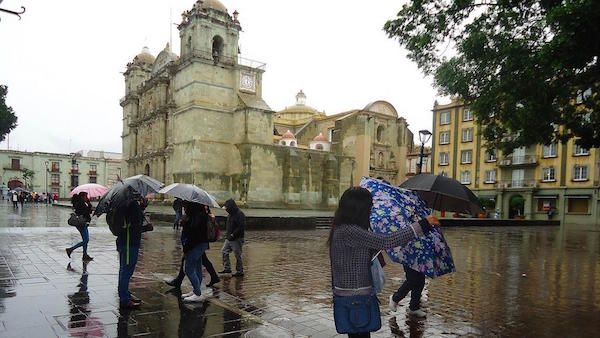
- Rainy Season (June–September): Afternoon and evening showers are common, though mornings are usually clear. The landscape turns lush and green — waterfalls like Hierve el Agua fill up, and nature tours become visually spectacular. This is also the time for Oaxaca’s most iconic festival: the Guelaguetza.
Neither season is “bad.” Each has its own magic — the key is aligning your visit with what matters most to you.
Month-by-Month Oaxaca Weather & Events Guide
Here’s a detailed look at what each month brings in terms of weather, events, and the overall travel experience in Oaxaca:
| Month | Avg. High Temp | Rainfall | Crowd Level | Highlights |
|---|---|---|---|---|
| January | 26°C / 79°F | Very Low | Moderate | Post-holiday lull, pleasant hiking weather, mezcal harvest season |
| February | 27°C / 81°F | Very Low | Low–Moderate | Carnival celebrations, artisan market season peaks |
| March | 29°C / 84°F | Low | Moderate | Spring break travel begins, dry trails, great visibility at ruins |
| April | 30°C / 86°F | Low | Moderate–High | Semana Santa (Easter Week), peak visitor traffic |
| May | 30°C / 86°F | Low–Moderate | Moderate | End of dry season, last chance before rains; uncrowded sites |
| June | 27°C / 81°F | High | High | Guelaguetza Festival preparations, lush green valleys |
| July | 26°C / 79°F | High | Very High | Guelaguetza Festival (last two Mondays), peak season — book well ahead |
| August | 26°C / 79°F | High | High | Green landscapes, waterfall tours, fewer tourists than July |
| September | 26°C / 79°F | Moderate–High | Low | Mexican Independence Day (Sept 16), Oaxaca City nightlife & culture |
| October | 27°C / 81°F | Low–Moderate | Moderate–High | Transition to dry season, Day of the Dead preparations begin |
| November | 27°C / 81°F | Very Low | Very High | Día de Muertos (Nov 1–2) — the most atmospheric time in Oaxaca |
| December | 26°C / 79°F | Very Low | High | Night of Radishes (Dec 23), Christmas posadas, festive city atmosphere |
Best Times for Specific Oaxaca Experiences
Visiting Archaeological Sites: Monte Albán, Mitla & More
The dry season months of November through April are ideal for exploring Oaxaca’s pre-Columbian ruins. Clear skies and low humidity make the open-air sites of Monte Albán and the artisan villages of Arrazola and San Bartolo Coyotepec genuinely comfortable and photogenic. Early mornings (before 9am) are best to avoid the midday sun and any tour groups. During the rainy season, sites remain open but afternoon downpours can interrupt your visit — if traveling in summer, go in the morning and wrap up by early afternoon.
Waterfalls & Nature: Hierve el Agua & Beyond
The iconic petrified waterfalls of Hierve el Agua are accessible year-round, but the surrounding valley is at its most breathtaking between July and September when the rains turn everything vibrantly green. For comfortable swimming in the natural infinity pools, the dry season (October–June) provides clearer, more settled conditions. Access can occasionally be disrupted by community agreements in the area — always check current status before heading out.
Mountain & Forest Trekking: Sierra Juárez
The cloud forests and mountain villages of the Sierra Norte — including the iconic Glass Viewpoint at Ixtlán de Juárez — are most dramatic between October and February, when morning fog creates mystical conditions and temperatures are refreshingly crisp. Avoid heavy rain months (July–August) for high-altitude trails as paths can become slippery. Spring (March–May) also offers pleasant trekking before the rains begin.
Mezcal & Artisan Village Culture
Mezcal production in the villages around Oaxaca City — including Teotitlán del Valle for its famous textiles — is a year-round experience, but visiting during the agave harvest season (January–March) gives you a chance to witness the full process from piña harvesting to distillation. This is one of the most authentic cultural immersions you can have in the region.
Adventure & Off-the-Beaten-Path
For experiences like San José del Pacífico’s hanging bridges, Apoala’s towering canyon and waterfalls, or the underground cenote at San Sebastián de las Grutas, the dry season (November–April) provides the most reliable road conditions and trail access. Some of these remote destinations involve unpaved mountain roads that become challenging after heavy rains.
Oaxaca’s Unmissable Festivals & Cultural Events
Timing your visit around one of Oaxaca’s extraordinary festivals transforms a trip into a life event. Here are the standout cultural moments on the Oaxacan calendar:
- Guelaguetza (July): Oaxaca’s most famous celebration, held on the last two Mondays of July at the Cerro del Fortín amphitheater. Indigenous communities from across Oaxaca’s eight regions gather to share traditional dances, music, and offerings. Book accommodations 3–6 months in advance.
- Día de Muertos (November 1–2): Perhaps the most visually stunning cultural event in all of Mexico. Oaxaca’s cemeteries — especially in Xoxocotlán and Atzompa — are transformed with marigold altars, candlelight, and music. The city fills up fast; mid-October bookings are essential.
- Night of Radishes — Noche de Rábanos (December 23): A uniquely Oaxacan tradition where artisans carve elaborate scenes from giant radishes. The central zócalo becomes an open-air museum for one magical night.
- Semana Santa (Easter Week): Processions, traditional foods, and celebrations throughout Oaxaca City and surrounding villages. One of the busiest travel periods of the year.
Traveler Story: Finding the Sweet Spot
“We visited Oaxaca in late October — and honestly it was the best travel decision we’ve ever made. The rains were almost gone, the city was decorated for Day of the Dead, and we had the ruins of Monte Albán practically to ourselves on a Tuesday morning. Our guide took us to a mezcal palenque in the Valles Centrales and we ended up staying two extra days. The weather was perfect — warm days, cool nights, and not a drop of rain the whole week.”
— Marcus & Priya, travelers from Toronto, Canada
Practical Travel Tips for Every Season
- Dry Season (Oct–May): Pack sunscreen, a light jacket for evenings, and layers for mountain excursions. Dust can be an issue on unpaved roads in February–April.
- Rainy Season (Jun–Sep): Bring a compact rain jacket or poncho. Plan outdoor activities in the morning and keep afternoons flexible. Trails can be muddy — wear proper footwear.
- Festival Periods: Book accommodation and guided tours well in advance — sometimes months ahead. Prices for lodging can rise significantly during Guelaguetza and Day of the Dead.
- Puerto Escondido: The Pacific coast has its own climate rhythm. November through April is ideal for surfing and beach days; May–October brings bigger swells and occasional tropical storms. Bioluminescence tours on the coast are spectacular year-round on darker nights.
- Altitude Awareness: Oaxaca City sits at 1,550 meters (5,085 feet). Give yourself a day to acclimatize before strenuous mountain hikes, regardless of season.
- Wildlife & Nature: Sea turtle nesting season on the Oaxacan coast runs from June through December — a powerful and humbling experience if timed right.
For updated information on tourism conditions, official seasonality data, and regional travel advisories, consult the Oaxaca State Tourism Secretariat (SECTUR) and the Mexico Federal Tourism Secretariat. For protected natural areas and conservation information relevant to outdoor adventures, visit CONANP.
Frequently Asked Questions About the Best Time to Visit Oaxaca
What is the overall best month to visit Oaxaca?
October and November stand out as the sweet spot for most travelers. The rains are fading, temperatures are mild, landscapes are still green from the wet season, crowds are manageable (outside of Day of the Dead week), and the cultural atmosphere is at its richest. Late January through early March is another excellent window for those prioritizing warm, dry weather and fewer tourists.
Is it worth visiting Oaxaca during the rainy season?
Absolutely. The rainy season (June–September) brings Oaxaca’s landscapes to life — rivers run full, valleys turn vivid green, and waterfalls are at their most dramatic. It’s also the time of the Guelaguetza festival. The trade-off is afternoon showers, higher humidity, and occasionally muddier trails. With flexible morning planning, the rainy season can be a genuinely magical time to visit.
How crowded does Oaxaca get during peak season?
Oaxaca’s busiest periods are Day of the Dead (late October–early November), Guelaguetza (July), Semana Santa (Easter week), and the Christmas–New Year holidays. During these times, the city’s historic center fills significantly, and popular spots like Monte Albán see longer queues. Booking guided tours and accommodation in advance is strongly recommended.
When is the best time to visit Hierve el Agua?
Hierve el Agua’s petrified waterfalls are open year-round, but visiting between November and May gives you the clearest, calmest conditions for swimming in the infinity pools. The surrounding landscape is greener and more photogenic between August and October. Access can change depending on local community regulations — confirm availability before your trip.
What should I pack for Oaxaca regardless of season?
No matter when you visit, pack light layers (mornings and evenings can be cool even in summer), comfortable walking shoes for cobblestone streets and archaeological sites, sun protection, and a reusable water bottle. During rainy season, add a packable rain jacket. For mountain tours in the Sierra Juárez, warm layers are essential as temperatures drop noticeably at altitude.
Can I visit Puerto Escondido year-round from Oaxaca City?
Yes — Puerto Escondido beach tours operate year-round. The November–April dry season is ideal for swimming and beach activities, while the larger swells of May–October attract serious surfers. Bioluminescence tours are most vivid on moonless nights and are available throughout the year.
Information may change; please confirm schedules, regulations, and availability before booking. For legal, environmental, or safety matters, consult local authorities or official sources. For questions about our tours, visit our homepage or contact our team directly.


