


 Food & Drinks
If you’ve ever sipped a smoky mezcal in a candlelit bar in Oaxaca City and wondered how it’s so different from the tequila you know, you’re not alone. Mezcal and tequila both come from agave plants and both hail from Mexico — but that’s roughly where the similarities end. Oaxaca’s mezcal is a world unto itself: a living tradition shaped by indigenous knowledge, mountain terroir, and centuries of craft. Here’s what separates them, and why Oaxaca is the heartland of authentic mezcal culture.

The Agave Question: One Plant vs. Many
The most fundamental difference between mezcal and tequila lies in the agave. Tequila can only be made from Agave tequilana Weber (blue agave), grown primarily in Jalisco. Mezcal, on the other hand, can be produced from over 30 different agave species — including wild varieties that grow in remote mountain hillsides across Oaxaca.
In Oaxaca, you’ll encounter names like Espadín (the most common), Tobalá (a small wild agave that takes 12–15 years to mature), Tepeztate (which can take 25+ years), Mexicano, Madrecuixe, and many others. Each species — and each terroir — produces a different flavor profile. This biodiversity is what makes Oaxacan mezcal endlessly complex and irreproducible elsewhere.
According to INEGI, Oaxaca is home to the greatest agave diversity in Mexico, with wild species distributed across dramatically different elevations and microclimates — from the dry valleys near Mitla to the cloud forests of the Sierra Juárez.
Roasting vs. Steaming: The Smoke Tells the Story
This is where the flavor diverges most dramatically. Tequila production uses steam to cook the agave hearts (piñas) in industrial autoclaves or traditional ovens — a process that yields clean, vegetal, sometimes citrusy flavors with little to no smoke.
Traditional Oaxacan mezcal producers — known as maestros mezcaleros — roast the agave piñas in underground pit ovens lined with hot rocks and wood. This slow, smoky roasting, which can last several days, is what gives artisan mezcal its signature earthiness, toasted notes, and that unmistakable whisper of smoke. The type of wood used, the depth of the pit, the local soil — all of these variables leave their fingerprint in every bottle.
In villages around Oaxaca City, like Santiago Matatlán (known as the World Capital of Mezcal) and communities along the road to Mitla and Teotitlán del Valle, you can still watch this ancestral process unfold in open-air palenques (distilleries).
Industrial Scale vs. Artisan Craft
Modern tequila production is largely industrial. While a few craft tequila producers remain, most tequila is made using mechanical shredders, large stainless steel fermentation tanks, and column stills. Consistency and volume are prioritized.
Oaxacan mezcal — especially labeled artesanal or ancestral — is the opposite. Fermentation happens in open wooden vats or even hollowed-out tree trunks. Distillation is done in clay pots or small copper stills. Everything is done by hand, often by the same family for multiple generations. The maestro mezcalero reads the foam, smells the air, and listens to the still — there are no digital dashboards here.
The Consejo Regulador del Mezcal (CRM), recognized under Mexico’s official regulatory framework, classifies mezcal into three categories: industrial, artesanal, and ancestral. The most revered mezcals from Oaxaca almost always fall into the artesanal or ancestral category — and this is what travelers discover when they visit local palenques on a Hierve el Agua Falls, Mitla Ruins & Mezcal day tour.
Mezcal vs. Tequila: Key Differences at a Glance
| Feature | Tequila | Oaxaca Artisan Mezcal |
|---|---|---|
| Agave species | Blue agave only (A. tequilana) | 30+ species (Espadín, Tobalá, Tepeztate, etc.) |
| Main production region | Jalisco (primarily) | Oaxaca (largest producer in Mexico) |
| Cooking method | Steam autoclave or above-ground oven | Underground pit roasting with wood/rock |
| Fermentation | Industrial stainless steel tanks | Open wooden vats, animal hides, or tree trunks |
| Distillation | Column or stainless steel stills | Clay pot or copper pot stills |
| Flavor profile | Clean, citrusy, vegetal | Smoky, earthy, fruity, mineral — highly varied |
| Scale | Mostly industrial | Small-batch, family-run palenques |
| Indigenous connection | Moderate | Deep — Zapotec and Mixtec communities |
| Agave maturation time | 6–8 years | 7–25+ years depending on species |
The Indigenous Soul of Oaxacan Mezcal
Mezcal in Oaxaca isn’t just a drink — it’s a cultural institution. Among Zapotec and Mixtec communities, mezcal has been used for centuries in ceremonial contexts: weddings, funerals, harvests, religious celebrations. It’s offered to guests as a gesture of welcome and shared among elders as a mark of respect.
The knowledge of which agaves to harvest, when to harvest them, and how to work with fire and fermentation has been passed down through generations in communities like Teotitlán del Valle, Miahuatlán de Porfirio Díaz, and countless smaller villages in the valleys and mountains of Oaxaca.
This cultural depth is something industrial spirits simply cannot replicate. When you taste an ancestral mezcal from a Zapotec maestro, you’re tasting a living archive of knowledge — the land, the plant, the fire, and the family.
You can experience this connection directly on a guided cultural day trip. Our Monte Albán Ruins & Artisan Villages tour explores Zapotec heritage through ruins and artisan villages, while our Glass Viewpoint (Ixtlán) & Mountain Villages (Northern Sierra) tour takes you through highland communities where indigenous traditions remain vibrant and alive.
Tips for Tasting Mezcal in Oaxaca Like a Local
- Sip, don’t shoot. Mezcal is meant to be sipped slowly to appreciate its complexity. Shooting it is considered a waste of the craft.
- Ask about the agave species. A good mezcalero will love talking about the plant — where it grew, how old it was, and how it was harvested.
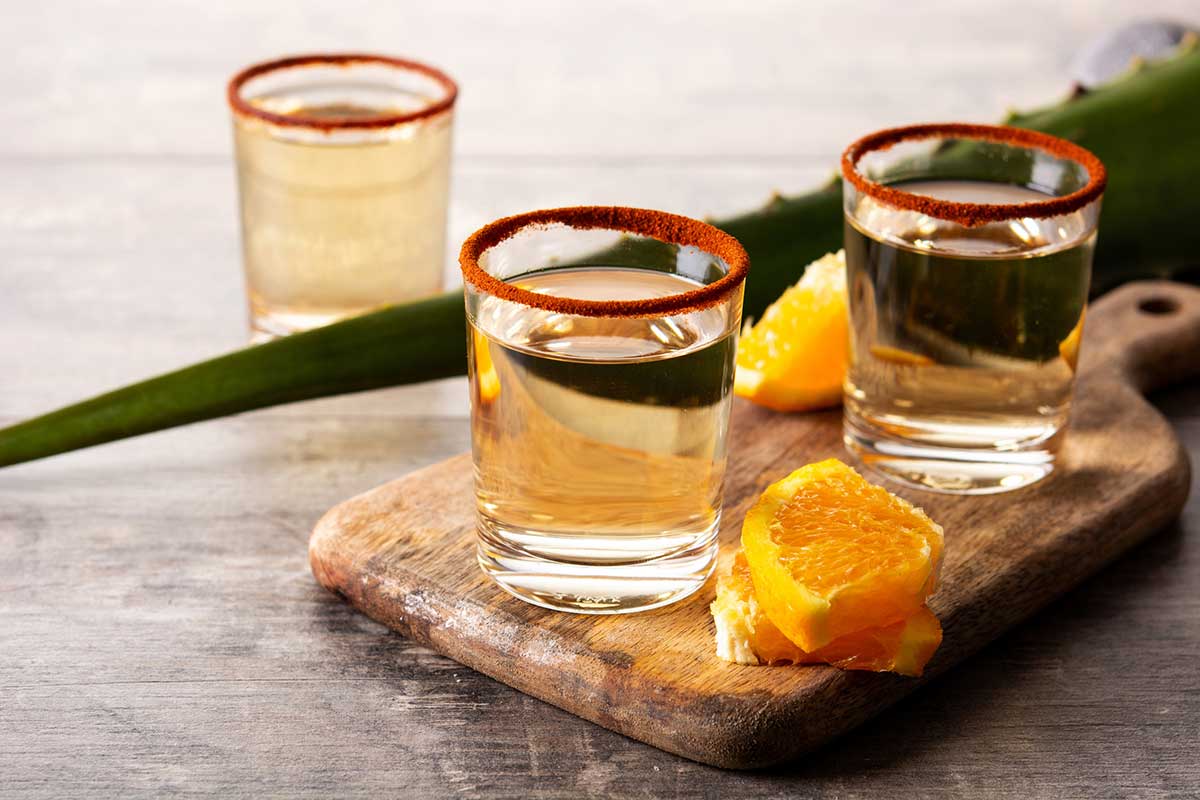
- Try it neat first. Before adding orange slices or salt, taste the mezcal alone. The best expressions need nothing added.
- Notice the texture. Artisan mezcals often have a silkier, oilier mouthfeel compared to tequila — this comes from the natural fermentation process.
- Ask about production method. “Artesanal” and “ancestral” are legally defined categories. Ask whether the mezcal was made in clay pots (ancestral) — this is the rarest and most traditional style.
- Accompany with sal de gusano. This traditional condiment — salt mixed with dried agave worms and chili — is the classic Oaxacan pairing for mezcal tasting.
- Visit a palenque. Nothing replaces seeing the pit, smelling the roasting agave, and meeting the family behind the bottle.
A Traveler’s Story
“I thought I didn’t like mezcal — I’d had a smoky cocktail in New York that was too intense. But at a small palenque outside Oaxaca City, the maestro poured us a Tobalá that was floral, almost delicate, with just a whisper of earth. He explained that the plant had grown wild for 15 years in the hillside above his house. I bought two bottles and cried a little. I still think about that mezcal.” — Claire B., visitor from Edinburgh, Scotland
Frequently Asked Questions About Oaxaca Mezcal
Is all mezcal from Oaxaca?
No, but Oaxaca produces the vast majority of Mexico’s mezcal. Other states with Denomination of Origin rights include Guerrero, Durango, San Luis Potosí, and Zacatecas, among others. However, Oaxaca’s diversity of agave species and its density of artisan producers make it the global epicenter of mezcal culture.
What is “ancestral mezcal” and how is it different from artesanal?
Ancestral mezcal is the most traditional category. It must be distilled in clay pot stills (called ollas de barro), and fermentation is done in natural containers. Artesanal mezcal allows for copper pot stills and wooden fermentation tanks. Both are handcrafted and miles apart from industrial production.
Is mezcal stronger than tequila?
Mezcal often has a higher alcohol content, especially artisan and ancestral varieties, which can range from 45% to over 55% ABV. However, the complex flavor profile means that the alcohol integrates differently — many drinkers find well-made mezcal feels smoother than tequila despite higher ABV.
Can I visit mezcal producers in Oaxaca on a tour?
Absolutely. Many guided tours in Oaxaca include visits to local palenques, mezcal tastings, and direct interaction with maestros mezcaleros. Our Hierve el Agua Falls, Mitla Ruins & Mezcal tour is specifically designed around this cultural immersion.
Why are some mezcals so much more expensive than others?
Wild agave species that take 15–25 years to mature, small-batch production by hand, and the rarity of certain varieties all factor into the variation in value. An Espadín mezcal from a large batch will differ significantly from a single-batch wild Tepeztate that represents decades of slow growth. We don’t discuss pricing on our tours, but your guide can help you understand what differentiates each bottle.
What food pairs well with mezcal in Oaxaca?
Mezcal pairs naturally with Oaxacan cuisine — think tlayudas, mole negro, grasshopper tacos (chapulines), aged Oaxacan cheese (quesillo), and of course, the traditional sal de gusano and orange slices served alongside a tasting. The bold, smoky, and complex notes of mezcal complement the region’s richly spiced and fermented flavors beautifully.
Protecting the Tradition: Sustainability and Wild Agave
One important conversation in the mezcal world today is sustainability. As demand for artisan mezcal has exploded globally, there are real concerns about the overharvesting of slow-growing wild agave species like Tobalá and Tepeztate. Because these plants take decades to mature and die after flowering, they cannot be replaced quickly.
Responsible producers are increasingly cultivating wild species alongside harvesting wild populations, and organizations like CONANP (Mexico’s National Commission for Natural Protected Areas) are working with communities to balance conservation with cultural livelihood. When you buy directly from small producers or choose tours that support palenque visits, you’re contributing to a more sustainable ecosystem for this ancient tradition.
The UNESCO has recognized the cultural landscape of agave and ancient industrial facilities of tequila as a World Heritage Site, and there is growing international recognition of mezcal’s cultural importance as well.
The Oaxaca State Secretariat of Tourism also promotes responsible mezcal tourism as a way to support indigenous communities and protect intangible cultural heritage.
Exploring this tradition further is easy when you’re in Oaxaca. Beyond the mezcal villages, don’t miss the chance to venture into the highland communities of the San José del Pacífico & Hanging Bridges tour — a mountain village where indigenous practices, forest landscapes, and local culture come together in a completely different setting.
Information may change; please confirm schedules, regulations, and availability before booking. For legal, environmental, or safety matters, consult local authorities or official sources. For questions or to book a tour, visit our tours page.


