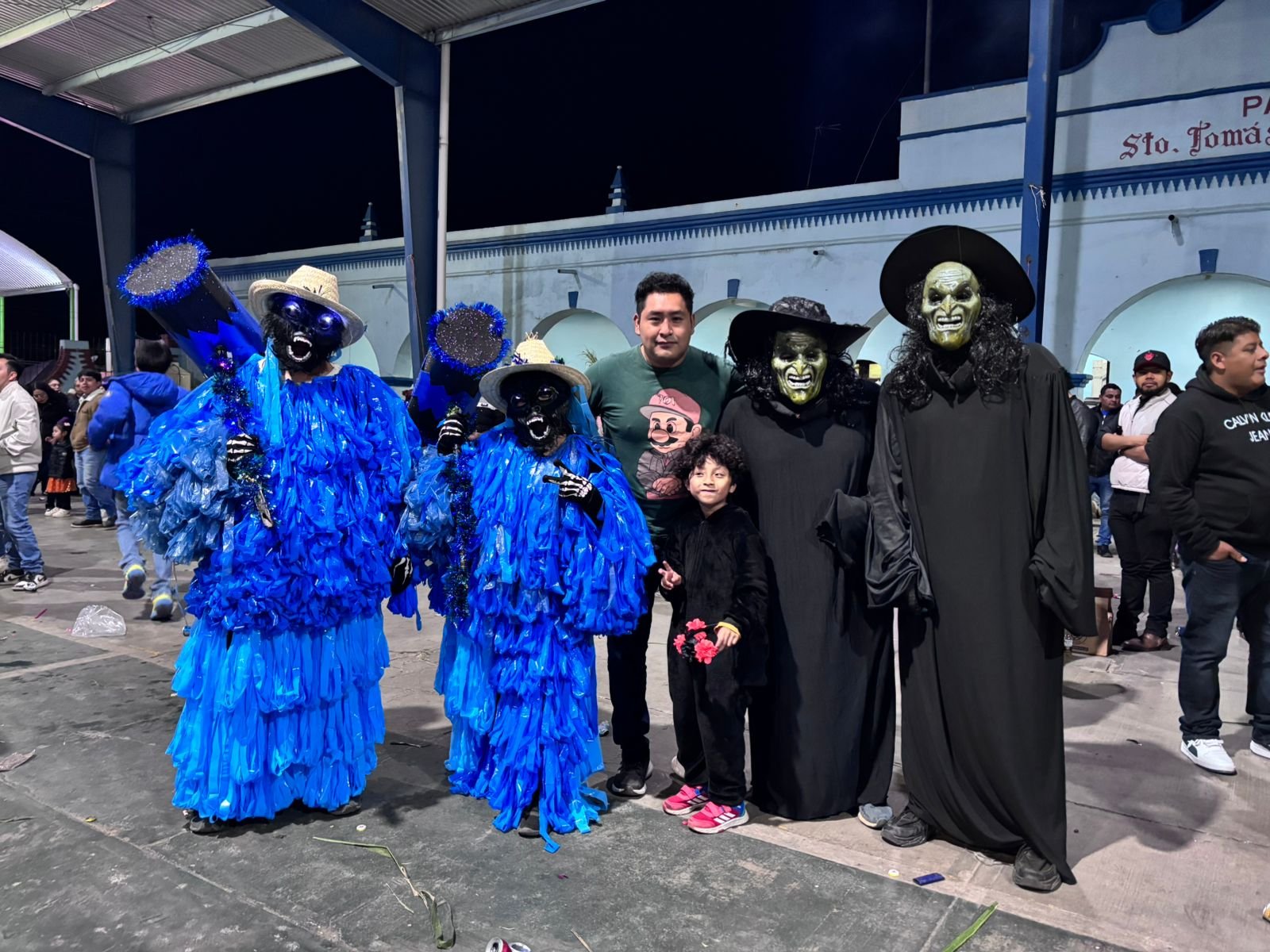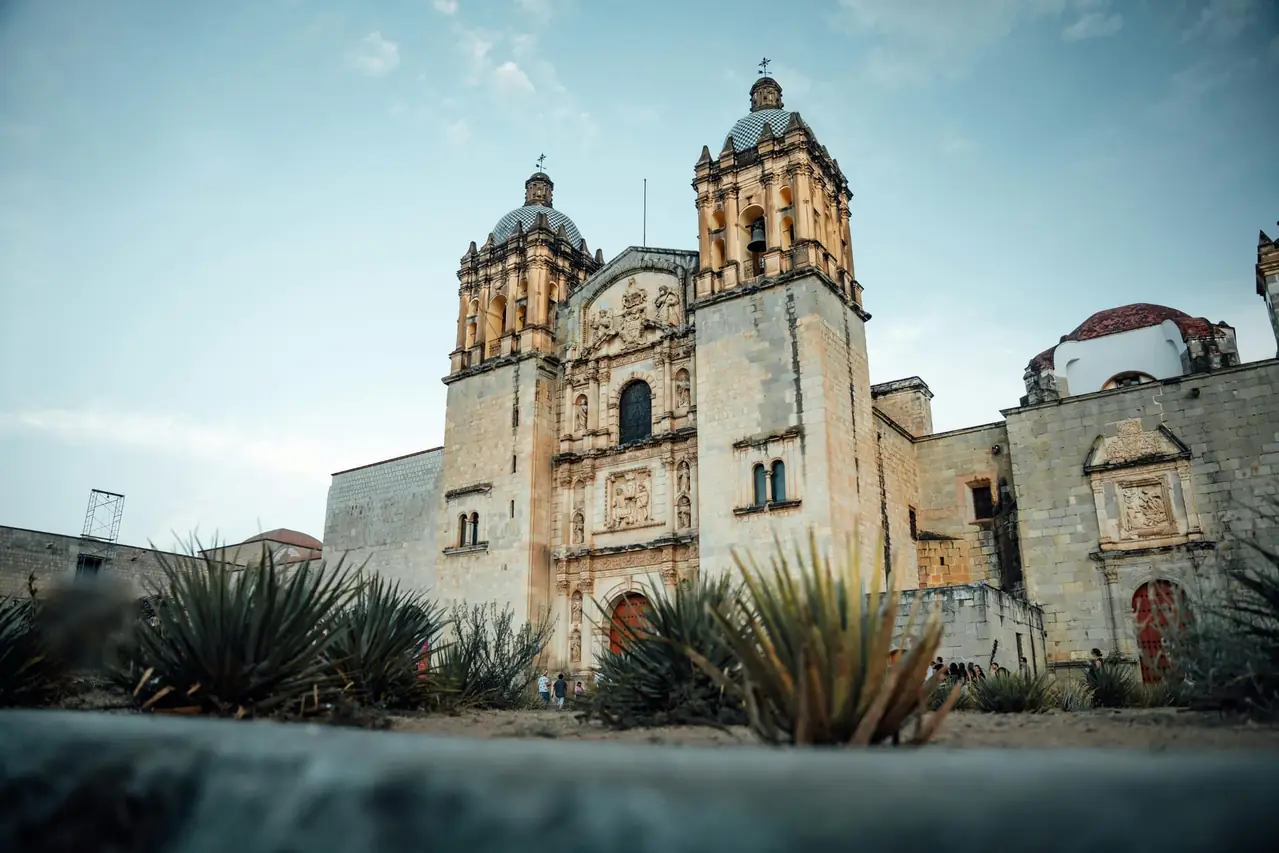
Cemetery vigils are among the most moving images associated with Day of the Dead in Oaxaca. Candles illuminate flowers, relatives clean and decorate graves, and conversations continue late into the night. Yet a cemetery is not a stage created for visitors. It remains a place of mourning, memory and family reunion.
The best preparation is not learning how to get the perfect photograph. It is understanding when to step back. Customs differ among Oaxaca City, Santa Cruz Xoxocotlán, Santa María Atzompa and other communities, and access rules can change from one year to another.
What a cemetery vigil represents
UNESCO describes the festival as a temporary return of deceased relatives and loved ones. Families prepare favorite foods, flowers, candles and paths that symbolically guide the souls. In a cemetery, this relationship becomes visible around a specific grave. The people gathered there may be praying, talking, eating or listening to music, but their presence is personal before it is picturesque.
There is no universal Oaxacan vigil. One family may welcome conversation; another may want privacy. A busy municipal cemetery can feel very different from a small village burial ground. Follow instructions from local authorities, cemetery staff and the family whose space you are near.
Permission is the foundation of good photography
A wide image of a public walkway is not the same as a close portrait at a grave. Before photographing identifiable people, children, an altar or personal objects, make eye contact and ask clearly. Accept a no immediately. Do not use a flash near mourners, lean over a grave or interrupt a prayer to request a pose.
Put the camera away for part of the visit. Constant filming can turn an encounter into extraction: the visitor leaves with content while the host community carries the disruption. If you publish later, use captions that explain the tradition without inventing names, beliefs or stories.
Behavior that makes space for families
- Walk only on established paths and never sit on a grave.
- Keep voices low and phone speakers off.
- Do not touch flowers, candles, food or photographs.
- Keep entrances and narrow passages clear.
- Take all waste with you and avoid single-use decorations.
- Do not arrive intoxicated or treat the cemetery like a nightlife venue.
Choosing a guided cemetery route
A responsible guide does more than provide a vehicle. The guide explains differences between communities, checks current access, sets expectations before arrival and knows when a site has become too crowded. Small groups create less pressure than an improvised convoy and make it easier to stay together.
Ask what the route includes, how long it lasts, whether photography is restricted and how the operator communicates with local communities. No ethical tour can guarantee a private family ceremony. What it can offer is context, logistics and a more considered way to enter public spaces.
Transport, clothing and night safety
Valley nights can be cold even after a warm afternoon. Wear closed, comfortable shoes and carry a layer. Paths may be uneven, dark, dusty or crowded. Bring only what you can keep close to your body; a large tripod can obstruct circulation and may not be permitted.
Arrange return transport in advance. Road closures and demand can make rides scarce. Keep your phone charged, share your route with someone and remain with your group. Alcohol can be present at community celebrations, but visitors should moderate consumption and never drive afterward.
What to offer—and what not to assume
Buying flowers from local vendors or food from neighborhood stalls supports the seasonal economy, but do not place an item on a stranger’s grave without permission. A tip or purchase does not buy access to someone’s grief. If a family offers food or conversation, receive it graciously and follow their lead.
Leave with context, not just images
After the visit, learn more about the people and place instead of reducing Oaxaca to candles and skull makeup. The dignity of Day of the Dead lies in continuing relationships between generations. A respectful visitor notices that meaning and allows it to remain in the hands of the community.
Common mistakes and better alternatives
Arriving without transport, using flash repeatedly, blocking a family for a selfie and expecting constant music are common mistakes. The alternatives are simple: plan the return, lower the camera, keep moving through narrow spaces and accept silence. Respect is visible through small decisions rather than grand gestures.
Another mistake is assuming that buying a ticket or hiring a guide transforms a cemetery into a private attraction. Payment covers a service; it does not erase community authority. A guide may change the route if access is restricted, a family requests privacy or the crowd creates unsafe conditions.
How to ask for a photograph
Use a brief greeting and ask before raising the lens: “¿Puedo tomar una foto?” If the person agrees, make the image quickly and say thank you. For children, permission must come from a responsible adult. If language or noise prevents a clear answer, treat uncertainty as a no.
Posting demands another decision. Avoid geotagging a small private gathering in real time, and do not write dramatic captions that turn living people into folklore. A factual caption naming the community and explaining that customs vary is more useful.
Accessibility and sensory conditions
Old cemetery paths can include steps, gravel, mud, cables and open flames. Crowds, brass music, incense and smoke may be difficult for visitors with mobility, respiratory or sensory needs. Contact the operator before booking and ask about the exact cemetery, walking distance, seating, toilets and possibility of leaving early.
A simple ethical test
Before doing something, ask whether you would behave the same way at a memorial in your own community. The comparison is imperfect, but it helps identify actions motivated only by novelty. Then apply the local rule: follow the family, organizers and guides, because their understanding of the space comes first.
After the visit
Thank the guide and share specific feedback about crowd management and cultural interpretation. Support local businesses without demanding staged access. If you publish photographs, select a few that communicate place and context instead of uploading every intimate moment. Responsible tourism continues after the vehicle returns to Oaxaca City.
Final planning note
Day of the Dead travel rewards preparation, but it also requires humility. Programs, routes and access conditions can change as communities make decisions close to the date. Confirm details again during the week of your visit and treat a change as a community choice, not an attraction failing to perform.
Choose locally operated services that explain what is included, keep groups manageable and communicate a return plan. Share your hotel or pickup point accurately, arrive on time and tell the operator about mobility needs before booking. Once there, spend with neighborhood businesses, carry your waste and make room for residents. These practical habits protect both the quality of your trip and the dignity of the celebration.