A Day of the Dead altar is often introduced through a list of objects: marigolds, candles, bread, water, copal and photographs. The list is useful, but it can hide the central idea. An ofrenda is a meeting place made for particular people. Its meaning comes from relationships, memory and the care invested by a family or community.
There is no single blueprint for every altar in Oaxaca. The number of levels, foods, flowers and dates can change by region, household and religious practice. The respectful way to read an ofrenda is to begin with the person being remembered, not with a hunt for decorative symbols.
The photograph: naming who is welcomed
A portrait identifies the person or people honored. Around it, families may arrange letters, tools, toys, clothing or objects connected to their life. These details resist the idea of “the dead” as an anonymous category. They preserve personality: someone liked a particular drink, practiced a trade or always carried a certain hat.
Public altars may honor artists, community leaders or victims of an event. Read the accompanying information and never move a photograph for a cleaner composition.
Candles and the path home
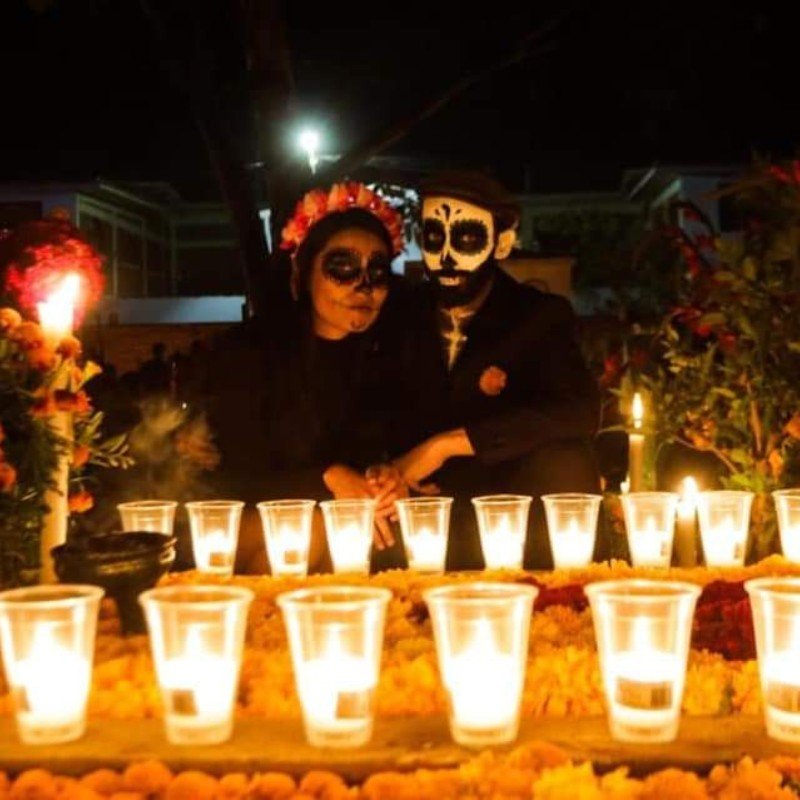
Candles provide light and symbolize guidance. Their number and arrangement vary, and open flames demand practical care. Paths of petals can lead toward the altar, expressing the journey between cemetery and home described in many Day of the Dead traditions.
Do not step over a petal path merely to shorten your route. In a crowded public display, follow the viewing direction and keep children and bags away from flames.
Marigolds and other flowers
The vivid color and strong scent of cempasúchil make it the most recognized seasonal flower. Petals can mark a path and whole blooms frame photographs or arches. Other flowers also appear, including cockscomb, with choices shaped by local availability and family preference.
Buy from local growers and vendors when possible. Avoid removing a flower from an altar or cemetery, even if it appears loose; it was placed as part of an offering.
Copal, incense and the atmosphere of welcome
Copal produces an aromatic smoke associated with cleansing and sacred space. Scent is fundamental to the experience of an altar: flowers, bread, chocolate and incense create a memory that cannot be captured by a camera.
Smoke can be intense in enclosed rooms. Follow the host’s arrangement rather than adding incense yourself, and consider other visitors who may have respiratory sensitivities.
Water, salt and the needs of a traveler
A glass of water is commonly described as refreshment after a long journey, while salt is associated with purification and preservation. These simple elements show that hospitality extends beyond spectacle. The returning loved one is received as a guest whose comfort matters.
Food, bread and personal taste
Mole, fruit, tamales, chocolate, mezcal and pan de muerto may appear, but an offering is not a standardized restaurant menu. Families prepare what the remembered person enjoyed. The choice can carry an anecdote that only relatives fully understand.
Never eat from an altar unless the host specifically offers something separately. Food displayed in public may have remained out for hours and, more importantly, was placed with ritual intention.
Papel picado and handcrafted detail
Cut paper adds color and movement. It is often interpreted as representing air, but designs also serve aesthetic, devotional and narrative purposes. Sugar skulls, clay pieces and handmade decorations connect the altar to regional craft knowledge.
If you want a souvenir, purchase your own piece from its maker rather than taking anything from a display. Ask vendors how it was made; that conversation supports living knowledge.
Children’s altars and regional calendars
Some traditions distinguish dates for children and adults, and offerings for children may include toys, sweets and lighter decoration. Practices vary, so avoid presenting one calendar as a universal rule for all of Mexico. Ask local cultural workers how their community observes the days.
How to visit an altar respectfully
- Read the explanatory text before photographing.
- Ask permission in homes and small businesses.
- Do not touch, rearrange or consume offerings.
- Avoid reducing the altar to a colorful backdrop for a portrait.
- Credit the makers when sharing an institutional or community display.
The meaning is in the relationship
An altar can be visually magnificent, but beauty is not its only purpose. Every object helps a family maintain a conversation with memory. When visitors slow down enough to notice names, foods and handmade details, the ofrenda stops being an image and becomes what it was built to be: an act of welcome.
Levels, arches and regional variation
Some altars use two, three or seven levels and attach religious or cosmological meanings to them; others are arranged on a table, shelf or floor. Arches may frame the offering with flowers or plant material. These forms should be explained as local or family choices, not a rigid national formula.
Animals, objects and contemporary memory
Offerings can remember companion animals as well as people, and contemporary altars may include printed messages, photographs from phones or objects from modern occupations. Tradition is not frozen. Families select forms that communicate with their own generation while retaining inherited practices.
Making an educational altar
Schools, hotels and cultural institutions often create public altars. A responsible educational display identifies who is honored, credits makers and avoids mixing symbols without explanation. If you create one outside Mexico, learn from reliable sources and from Mexican community members rather than presenting it as a costume set.
Buying seasonal crafts responsibly
Ask who made paper decorations, candles, pottery or sugar work and pay the stated price without aggressive bargaining. Handmade work carries material costs and specialized knowledge. Transport fragile pieces carefully and check agricultural or customs restrictions before carrying plant material across borders.
Questions that deepen observation
- Whose name and photograph organize this offering?
- Which objects describe the person’s everyday life?
- Which foods appear to be family or regional specialties?
- Who built the altar and where did its materials come from?
- Is the display private, community-based or institutional?
From altar to cemetery
Home altars and decorated graves are connected but not interchangeable. Paths, petals and candles can express movement between them, while practices differ from family to family. A cemetery tour can provide context, but visitors should never expect to enter a home or private altar unless directly invited.
Why careful language matters
Words such as “magic,” “mystical” and “exotic” can flatten a complex act into marketing. More precise language names the materials, makers and people remembered. This does not make the story less beautiful; it allows beauty and personal meaning to remain together.
Final planning note
Day of the Dead travel rewards preparation, but it also requires humility. Programs, routes and access conditions can change as communities make decisions close to the date. Confirm details again during the week of your visit and treat a change as a community choice, not an attraction failing to perform.
Choose locally operated services that explain what is included, keep groups manageable and communicate a return plan. Share your hotel or pickup point accurately, arrive on time and tell the operator about mobility needs before booking. Once there, spend with neighborhood businesses, carry your waste and make room for residents. These practical habits protect both the quality of your trip and the dignity of the celebration.