Day of the Dead in Oaxaca is not a single parade or one night at a cemetery. It is a sequence of family preparations, neighborhood gatherings and community celebrations that unfolds from late October into early November. A thoughtful itinerary leaves room for both public events and the quieter rhythm of a city remembering its dead.
This three-day plan is designed for a first visit based in Oaxaca City. It avoids treating the celebration as a checklist and builds in time to eat, rest and follow the official program, which changes every year. Community announcements should always take priority over an old calendar or a viral social-media post.
Before October 31: prepare without rushing
Arrive at least one day early if possible. Walk through the markets during daylight, learn the location of your hotel and arrange safe transport before the busiest nights. Benito Juárez and 20 de Noviembre markets are useful introductions to seasonal bread, chocolate, fruit, candles and flowers, but remember that many people are buying for their own household altars. Ask before photographing vendors or families.
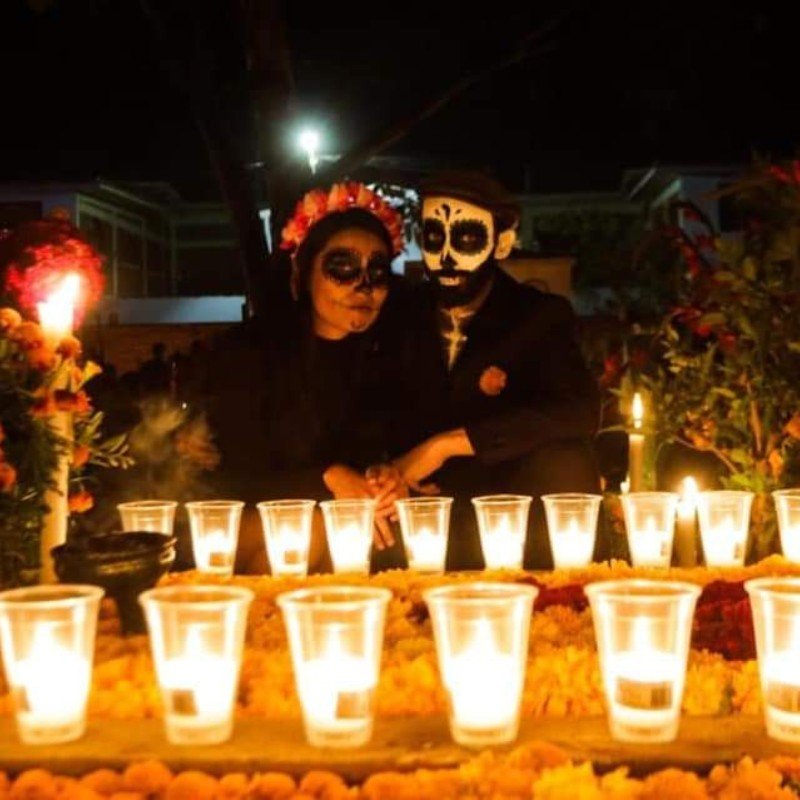
Use the afternoon to see public altars and tapetes de arena. An altar is not generic decoration: photographs, favorite foods and personal objects refer to particular lives. Observe details without touching or moving anything. If a display explains who created it, read that context before taking a picture.
October 31: city traditions and the first night
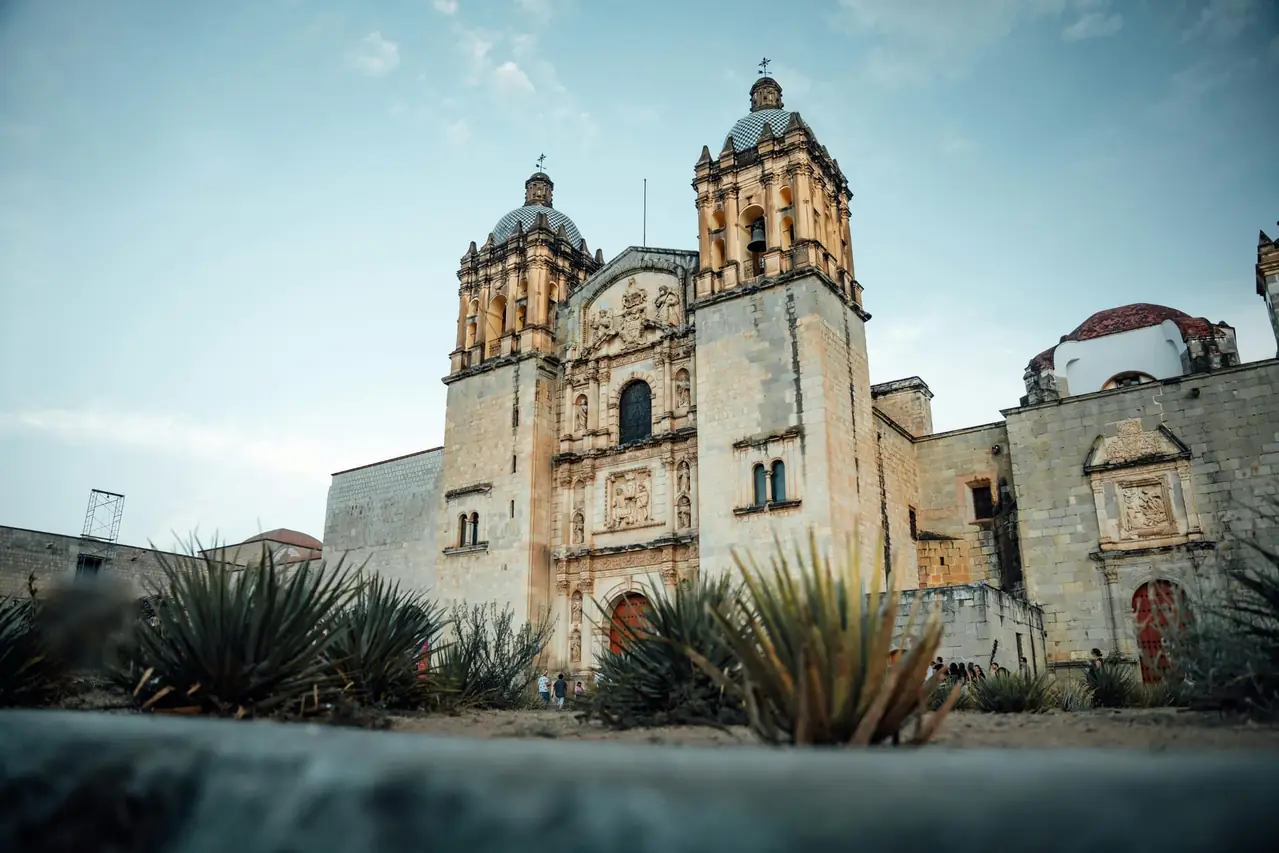
Begin slowly in the historic center. Churches, museums, cultural spaces and neighborhoods often publish their own activities. The official state and municipal programs are the best sources for routes and times. Streets may close and crowds can make a short transfer take much longer than expected.
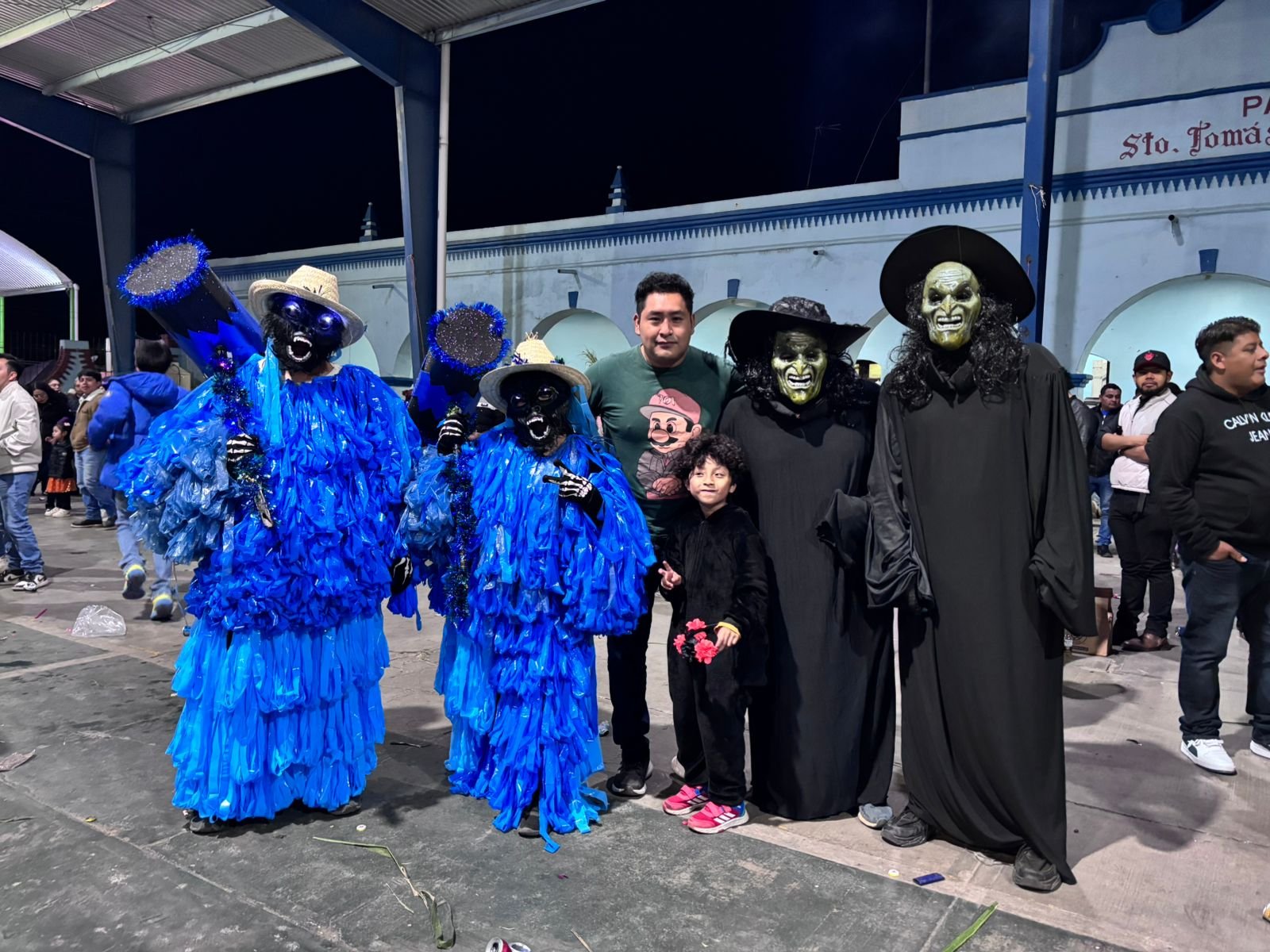
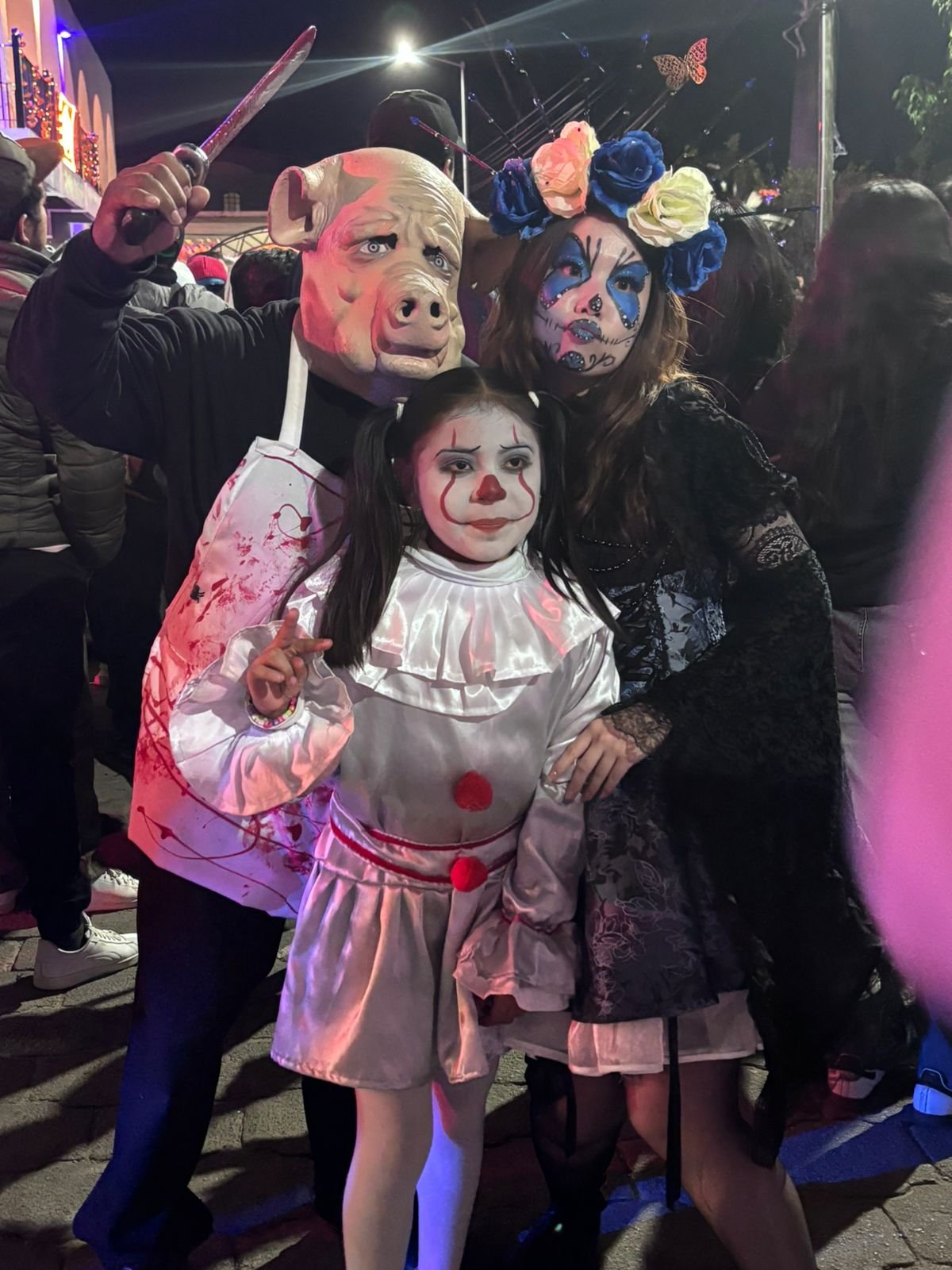
In the evening, choose one principal activity instead of trying to cross the valley repeatedly. A public comparsa in the city can be a good introduction: brass music, costumes and dancing move through the streets, sometimes with spontaneous stops. Stand at the sides, keep doorways clear and never enter the moving group unless invited.
November 1: markets, memory and cemetery etiquette
Reserve the morning for rest and a late breakfast. During the afternoon, revisit a market or explore a neighborhood such as Jalatlaco or Xochimilco, where public decoration can be enjoyed on foot. The atmosphere changes as families finish their preparations.
If your plan includes a cemetery, go with realistic expectations. A cemetery vigil is first a family act of remembrance. There may be candles, flowers, conversation and music, but not every grave is a public performance. Speak softly, remain on paths, do not place a camera over a family group and ask permission before making a close portrait. A guided visit helps with transport, timing and cultural context.
November 2: a quieter day and time to understand
November 2 is ideal for a slower reading of what you have seen. Visit a museum or cultural center, talk with local guides, and look for daytime activities. Some neighborhoods continue their celebrations after the dates most visitors know, so do not assume that every community follows one national schedule.
Leave space for an unplanned meal. Seasonal dishes vary by household and region; mole, tamales, hot chocolate and pan de muerto are part of the sensory landscape, yet their meaning comes from sharing and offering, not from a list of mandatory foods.
How to move around safely
- Confirm your return transport before leaving the city, especially late at night.
- Carry a charged phone, a small amount of cash and a light layer for cool valley evenings.
- Do not drive after drinking, and do not depend on mobile coverage in every community.
- Keep your group together and agree on a meeting point.
- Check current access rules; a cemetery can restrict entry or photography.
What to book, and what to leave open
Book accommodation, airport transfers and limited-capacity tours early. Keep meals and daytime walks flexible so the trip does not become exhausting. A cemetery route and a muerteada are different experiences: the first centers on memorial spaces and family traditions; the second is a mobile, community performance with music and characters. If you attend both, do so on separate nights.
A respectful itinerary is a better itinerary
The most memorable visit is not necessarily the one with the most photographs. It is the one that gives communities room, supports local work and recognizes that grief and celebration can coexist. Listen before participating, ask before recording, and let Oaxaca set the pace.
A sample daily rhythm
On October 31, use the morning for orientation, the afternoon for markets and public altars, and the evening for one city activity. On November 1, make the afternoon intentionally light before a guided cemetery visit at night. On November 2, choose museums, workshops and a relaxed meal. This pattern preserves energy and reduces late-night transfers.
If you also want to attend a muerteada in Etla, add a fourth night instead of squeezing it into a cemetery evening. Each experience deserves attention, and returning to the city after midnight can take longer than a map suggests.
Budgeting for the busiest week
Seasonal demand affects rooms, transfers and guided departures. Compare what a tour actually includes rather than choosing only by price: round-trip transportation, a clear meeting point, bilingual guidance and a realistic return time have practical value. Keep cash for markets and community vendors, while storing cards and passports securely at your accommodation.
Questions to answer before going out
- What is tonight’s official route and has it changed?
- Where exactly will your group meet after the event?
- Does the location permit visitors and photography this year?
- How will you return if mobile service is unavailable?
- Which part of the evening is ceremonial rather than public entertainment?
If you travel with children or older adults
Choose shorter routes, avoid the densest late-night crowds and identify restrooms before the event begins. Noise levels can be intense near brass bands, while uneven cemetery paths are challenging for wheelchairs and strollers. Ask operators about accessibility honestly; “accessible” should describe the whole route, not only the vehicle.
Children benefit from context before arrival. Explain that altars contain real photographs and that a cemetery is not a haunted attraction. Giving them a simple role—observing flower colors, listening for instruments or helping keep the group together—can make the visit engaging without encouraging disruptive play.
Build in a recovery morning
Late nights at altitude can be tiring. Hydrate, sleep and avoid scheduling a dawn departure after a long community celebration. A slower morning is not wasted time: it makes room to process what you saw and prevents fatigue from turning into impatience with crowds, guides or local customs.
Final planning note
Day of the Dead travel rewards preparation, but it also requires humility. Programs, routes and access conditions can change as communities make decisions close to the date. Confirm details again during the week of your visit and treat a change as a community choice, not an attraction failing to perform.
Choose locally operated services that explain what is included, keep groups manageable and communicate a return plan. Share your hotel or pickup point accurately, arrive on time and tell the operator about mobility needs before booking. Once there, spend with neighborhood businesses, carry your waste and make room for residents. These practical habits protect both the quality of your trip and the dignity of the celebration.