


 Oaxaca Culture
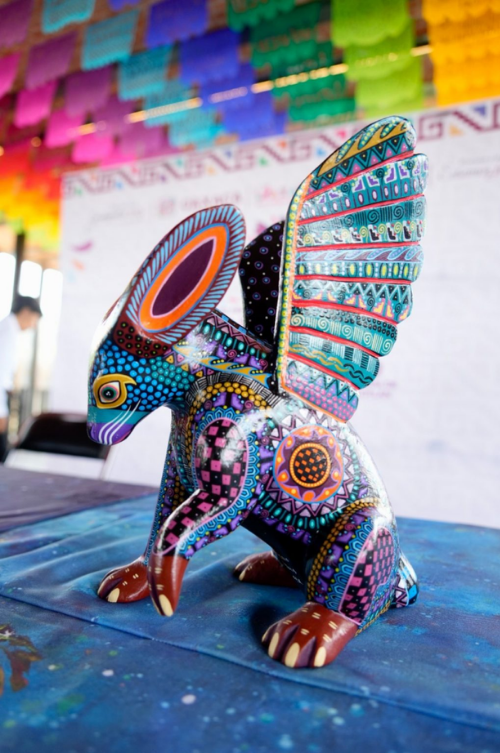
Walk through any artisan market in Oaxaca City and you’ll come face to face with them — fantastical creatures painted in neon greens, deep reds, and electric blues, part jaguar, part eagle, part serpent. These are alebrijes, and they are far more than colorful souvenirs. They are living windows into the soul of Oaxacan culture, rooted in ancient indigenous beliefs about the spirit world. If you want to truly understand Oaxaca, understanding alebrijes is a perfect place to start.

The Origin Story: Where Did Alebrijes Come From?
Most people assume alebrijes are an ancient Zapotec or Mixtec tradition. The truth is a fascinating blend of modern invention and deeply rooted indigenous belief. The term alebrije was coined in the 1930s by Pedro Linares, a Mexico City cartonero (papier-mâché artist) who fell gravely ill and reportedly hallucinated strange hybrid animals in a dream-like state. When he recovered, he began recreating those creatures in papier-mâché, calling them alebrijes — a word he said came to him in the dream itself.
The concept captured the imagination of Oaxacan wood carvers. By the 1980s, artisans in the villages of Arrazola and San Martín Tilcajete — just outside Oaxaca City — had adopted and transformed the form, carving alebrijes from copal wood, a tree considered sacred by pre-Hispanic Mesoamerican cultures. Oaxacan alebrijes are now celebrated worldwide as one of Mexico’s most distinctive folk art traditions.
But the spiritual layer runs even deeper. Long before Linares had his famous dream, Zapotec and other Mesoamerican traditions spoke of nahuales — spirit animals or supernatural beings that accompany humans through life, serving as protectors and guides. This concept of a spiritual animal companion infuses Oaxacan alebrijes with a meaning that goes far beyond decoration.
The Symbolism: What Each Creature Represents
No two alebrijes are identical, and that’s deeply intentional. Each piece is a personal creation reflecting the artist’s vision, spiritual beliefs, and connection to nature. Colors, animals, and patterns all carry specific meaning within Oaxacan folk art traditions.
Common Animal Symbols in Alebrijes
| Animal | Symbolic Meaning | Common Region |
|---|---|---|
| Jaguar | Power, protection, the underworld | Arrazola, San Martín Tilcajete |
| Eagle | Courage, vision, the sun | Oaxaca City markets |
| Serpent | Rebirth, wisdom, duality | Central Valleys |
| Rabbit | Fertility, the moon, playfulness | Teotitlán del Valle area |
| Owl | Death, prophecy, night wisdom | Sierra Juárez artisan towns |
| Xolo Dog | Guide to the afterlife | Monte Albán region |
The Role of Color
Colors in alebrijes are not random. Oaxacan artisans traditionally use natural pigments derived from plants, insects (like cochineal for red), and minerals. Each hue carries intention: red symbolizes passion and blood, black represents the night and mystery, green evokes the natural world, and yellow honors the sun and corn — a sacred crop in Zapotec cosmology.
Where Alebrijes Are Made: The Artisan Villages
To truly appreciate alebrijes, you need to visit the villages where they are born. Two communities are the epicenter of Oaxacan alebrije craft.
Arrazola
Located about 12 km southwest of Oaxaca City, Arrazola is the village most closely associated with the birth of wooden alebrijes in Oaxaca. The Jiménez family is legendary here — Manuel Jiménez is widely credited as the first Oaxacan artisan to carve and paint fantastical animals from copal wood in the 1960s. Walking through Arrazola’s quiet streets, you’ll find workshops where entire families collaborate: one person carves, another sands, another paints in intricate patterns that can take days per piece.
San Martín Tilcajete
This village has become the most internationally recognized hub for fine alebrijes. Artisans here are known for larger, elaborate pieces with extraordinarily detailed painting — some works are displayed in galleries worldwide. The village also hosts workshops where visitors can try carving and painting under the guidance of local masters.
If you want a guided, immersive experience visiting these villages alongside other Oaxacan cultural highlights, the Monte Albán Ruins & Artisan Villages tour takes you through Arrazola and nearby San Bartolo Coyotepec, home of the famous black clay pottery — one of the most rewarding cultural day trips in the region.
A Traveler’s Story: Finding Her Nahual in Tilcajete
“I had no intention of buying anything — I was just browsing. But then a young woman in San Martín Tilcajete showed me a piece she’d spent three weeks painting: a hummingbird with the tail of a scorpion, covered in tiny geometric symbols. She told me the hummingbird represents resilience and the ability to find sweetness even in difficult places. I’d just gone through a rough year. I stood there trying not to cry in the middle of her workshop. I bought it immediately. It’s on my bookshelf in Toronto and it still means everything to me.”
Tips for Buying Authentic Alebrijes in Oaxaca
- Visit the source villages directly. Buying in Arrazola or San Martín Tilcajete means your money goes directly to the artisan family.
- Look for copal wood. Authentic Oaxacan alebrijes are carved from copal, a light-colored, soft wood with a slightly resinous smell. If it feels too uniform or plastic-like, it may not be genuine.
- Examine the paint detail. Hand-painted alebrijes show small imperfections under close inspection — tiny brush strokes, slight color variations. Machine-produced pieces look too uniform.
- Ask the artisan about their process. Genuine Oaxacan carvers love talking about their work. If the seller can’t explain how the piece was made, be cautious.
- Check for a signature or village mark. Many artisans sign their work on the bottom or include a card identifying the village and maker.
- Be fair with negotiation. These are skilled artisans spending days or weeks on a single piece. Aggressive bargaining undermines their craft and livelihood.
Alebrijes in the Broader Context of Oaxacan Culture
Alebrijes don’t exist in isolation — they are part of a rich ecosystem of Oaxacan artisan traditions that includes the black clay ceramics of San Bartolo Coyotepec, the wool tapestry weaving of Teotitlán del Valle, and the elaborate embroidery of the Mixteca region. The same creative spirit that animates alebrijes pulses through the mezcal culture of the Central Valleys, the ancient ruins of Monte Albán, and the living traditions of communities like Mitla — a site you can explore alongside mezcal distilleries and the weavers of Teotitlán on the Hierve el Agua Falls, Mitla Ruins & Mezcal tour.
Oaxaca’s cultural heritage has been recognized at the highest levels: the historic center of Oaxaca and the archaeological zone of Monte Albán are listed as UNESCO World Heritage Sites, a testament to the extraordinary depth of civilization that shaped everything from pyramid architecture to the humble copal wood carving in a village workshop.
For those wanting to explore the natural landscapes that inspire so many alebrije forms, the Glass Viewpoint & Mountain Villages tour through the Sierra Juárez takes you into cloud forest terrain that has inspired indigenous art and mythology for centuries. And for a truly off-the-beaten-path experience, the Apoala Falls & Mountains tour visits a canyon of deep mythological significance to the Mixtec people — the very landscape where creation stories were born.
The Oaxaca State Secretariat of Tourism actively promotes artisan communities as a cornerstone of the state’s cultural identity. The Federal Secretariat of Tourism has additionally recognized several Oaxacan artisan villages under the Pueblos Mágicos program, bringing resources and visibility to these communities. Environmental stewardship of the copal forests that supply artisans is overseen by SEMARNAT, ensuring the sustainability of this centuries-old craft.
Frequently Asked Questions About Alebrijes in Oaxaca
Are alebrijes originally from Oaxaca?
Not entirely. The term and concept originated with Mexico City artist Pedro Linares in the 1930s, who made them from papier-mâché. Oaxacan artisans adopted and transformed the tradition in the 1960s–80s, carving them from sacred copal wood and weaving in local Zapotec spiritual symbolism. Today, Oaxacan wooden alebrijes are the most internationally recognized form.
What is the difference between an alebrije and a nahual?
A nahual is a concept from Mesoamerican cosmology — a spirit animal or supernatural companion linked to a person from birth. An alebrije is a physical art object — a carved and painted hybrid creature. However, many Oaxacan artisans intentionally infuse their alebrijes with nahual symbolism, creating pieces believed to carry protective spiritual energy.
How long does it take to make an alebrije?
Small, simple pieces might take 2–3 days. A large, intricately painted figure — the kind that wins prizes at national competitions — can take several weeks or even months, with multiple family members contributing different stages of carving, sanding, and painting.
Can I take alebrijes home on a plane?
Yes, alebrijes are legal to transport internationally. Small to medium pieces fit easily in carry-on luggage. For large pieces, artisans in the villages can often arrange careful packing or shipping. Always declare them at customs as folk art or handicrafts.
Where is the best place to buy alebrijes in Oaxaca City?
The Mercado de Artesanías and Benito Juárez Market in Oaxaca City have solid selections. But for the most authentic experience and best quality, go directly to the artisan villages of Arrazola or San Martín Tilcajete. A guided cultural tour ensures you visit genuine family workshops rather than commercial stalls.
Are there workshops where I can make my own alebrije?
Yes! Several workshops in San Martín Tilcajete and Arrazola offer hands-on painting sessions for visitors, guided by local artisans. You’ll leave with your own decorated piece — one of the most memorable activities in Oaxaca, especially with children.
Alebrijes are not just art — they are Oaxaca in physical form: colorful, layered with meaning, rooted in ancient tradition, and endlessly inventive. Whether you encounter them in a village workshop, a city gallery, or a mountain market stall, they invite you to look closer — at the culture, at the craft, and at yourself.
Disclaimer: Information may change; please confirm schedules, regulations, and availability before booking. For legal, environmental, or safety matters, consult local authorities or official sources. For more details, visit Tours Oaxaca MX.


