


 Adventure & Nature
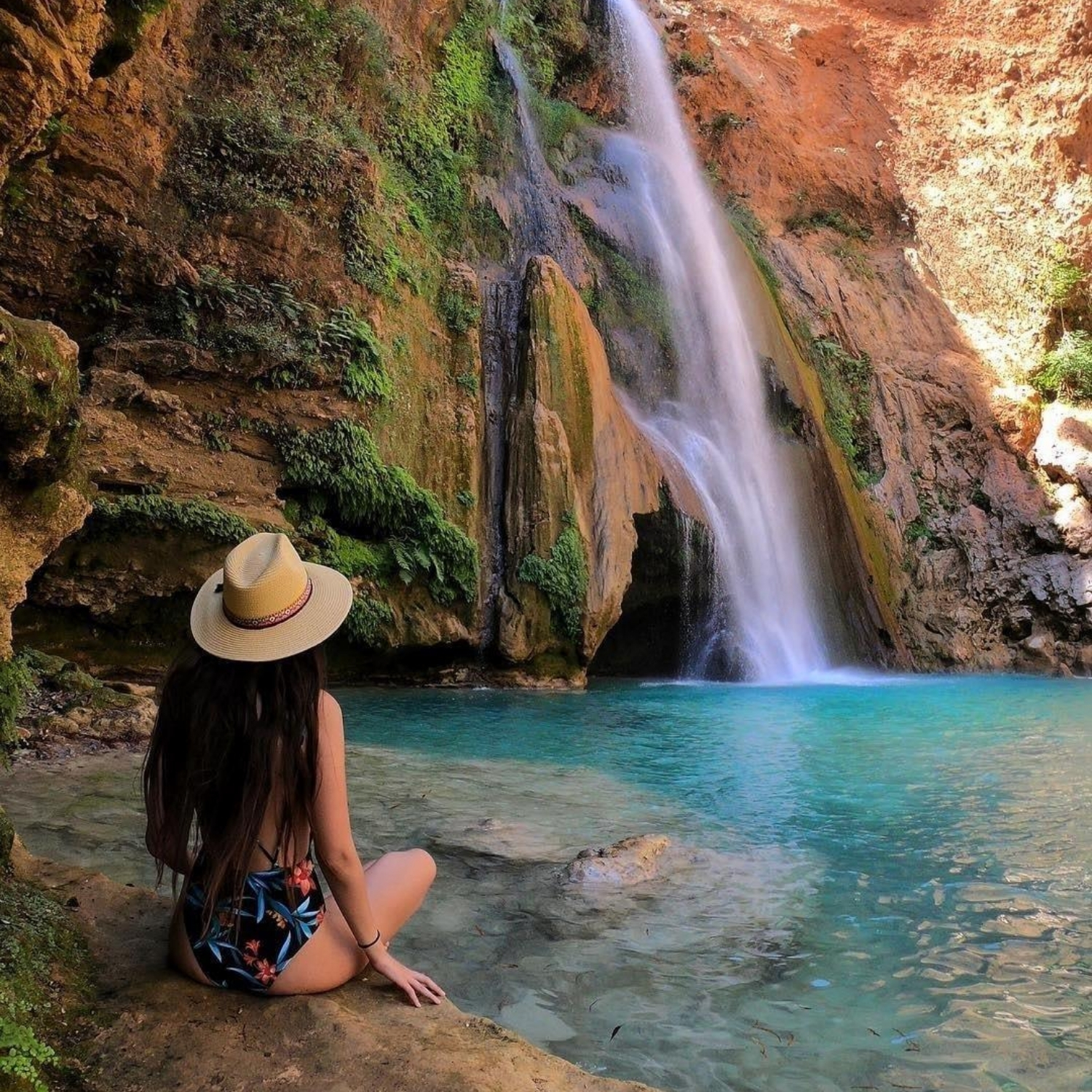
Tucked deep within the Mixteca Alta of Oaxaca, the village of Santiago Apoala feels like a place time forgot — and that’s exactly why it’s so extraordinary. Towering limestone cliffs, a turquoise river winding through a lush canyon, ancient caves, and waterfalls cascading into hidden pools make this one of the most breathtaking and least-visited natural destinations in all of Mexico. If you’re searching for an Oaxaca day trip that goes far beyond the ordinary, Santiago Apoala is your answer.
What Is Santiago Apoala and Why Is It Special?
Santiago Apoala is a small Mixtec community located in the northern highlands of Oaxaca, roughly 3.5 to 4 hours from Oaxaca City. The village sits inside a dramatic canyon carved by the Apoala River, flanked on all sides by sheer white-grey cliffs that rise hundreds of meters into the sky. According to Mixtec cosmology, this canyon is nothing less than the birthplace of humanity — the origin point of the Mixtec people themselves.
That combination of raw geological grandeur and deep cultural significance is rare anywhere in the world. Here, you can swim in crystal-clear natural pools, explore caves adorned with ancient rock formations, hike to thundering waterfalls, and share a meal with a community that has called this canyon home for over a thousand years. It’s adventure and anthropology wrapped in one.
Santiago Apoala is managed as a community ecotourism destination, meaning that when you visit, your money goes directly to local families and conservation efforts. The community provides local guides — essential not just for navigation but for understanding the cultural and historical layers of what you’re seeing.
The Main Attractions Inside the Canyon
The Apoala Waterfalls (Cola de Serpiente & Cola de Caballo)
The canyon’s most iconic features are its two principal waterfalls: Cola de Serpiente (Serpent’s Tail) and Cola de Caballo (Horse’s Tail). Both are reached via guided trails that wind through riparian vegetation along the river. Cola de Serpiente is the more dramatic of the two — a powerful cascade that plunges into a deep, jade-green pool perfect for swimming on warm days. Cola de Caballo is gentler and wider, with a more open natural setting ideal for photography.
The trails connecting these waterfalls are moderate in difficulty. You’ll be walking on rocky, sometimes slippery terrain close to the river, so good footwear is essential. Your local guide will set the pace and share legends tied to each landmark along the way.
The Caves of Apoala
Several caves punctuate the canyon walls, some of which can be explored on guided visits. These are not commercialized tourist caves — they’re raw, atmospheric, and genuinely wild. Inside you’ll find stalactites, underground pools, and in some chambers, evidence of ancient Mixtec ritual use. Exploring them with a local guide adds extraordinary depth to the experience.
Swimming in the Apoala River
The Apoala River itself is one of the hidden jewels of the canyon. In several spots along the trail system, calm stretches of river create natural swimming holes with water so clear you can see every stone on the riverbed. On a warm Oaxacan afternoon, jumping into one of these pools is an experience you’ll recount to everyone when you get home.
The Canyon Rim & Scenic Viewpoints
For those who want to take in the canyon from above, trails lead up to viewpoints along the rim. From these heights, the scale of the landscape becomes overwhelming: a ribbon of green river threading through ancient limestone, tiny farmsteads on the valley floor, and nothing but mountains stretching to the horizon. It’s a photographer’s dream and a reminder of just how vast and wild Oaxaca truly is.
Santiago Apoala Day Trip: Logistics at a Glance
| Detail | Information |
|---|---|
| Location | Mixteca Alta, northern Oaxaca |
| Distance from Oaxaca City | ~200 km (approx. 3.5–4 hours by road) |
| Recommended start time | Early morning departure (6–7 AM) |
| Trail difficulty | Moderate (rocky, uneven terrain near river) |
| Best season | October–May (dry season; safer trails, clearer water) |
| What to bring | Hiking shoes, swimwear, sunscreen, insect repellent, snacks, water |
| Local guide | Required and provided by the community |
| Connectivity | Very limited — download maps and save photos offline |
How Santiago Apoala Compares to Other Oaxaca Day Trips
Oaxaca is genuinely extraordinary for day trips — the variety of landscapes and experiences within a single state is almost unbelievable. Here’s a quick sense of how Apoala fits into the broader picture:
| Destination | Experience Type | Difficulty | Drive from Oaxaca City | Best For |
|---|---|---|---|---|
| Santiago Apoala | Canyon, waterfalls, caves, indigenous culture | Moderate | ~3.5–4 hrs | Adventure + cultural immersion |
| Hierve el Agua | Petrified waterfalls, pools, mezcal villages | Easy–Moderate | ~1.5 hrs | Iconic landscapes + artisan culture |
| Monte Albán | Archaeological ruins, hilltop views | Easy | ~40 min | History + panoramic views |
| Sierra Juárez (Ixtlán) | Mountain forests, glass viewpoint, cloud forest | Easy–Moderate | ~1.5 hrs | Nature + mountain scenery |
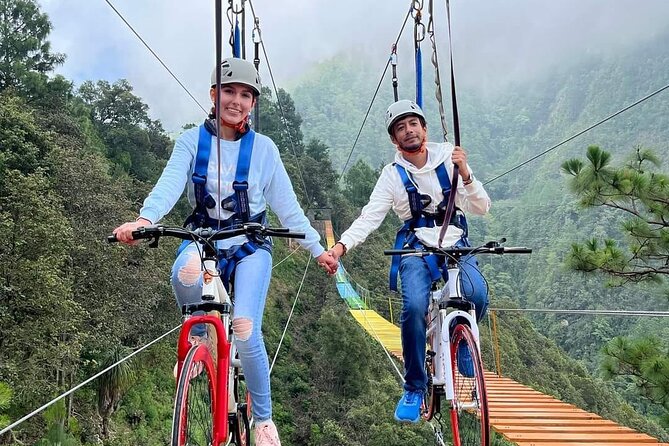
| San José del Pacífico | Cloud forest, hanging bridges, mountain village | Moderate | ~3 hrs | Off-the-grid adventure |
For day trips centered on waterfalls and canyon landscapes, Apoala is in a league of its own. The Hierve el Agua, Mitla & Mezcal day tour offers a completely different kind of wonder — the petrified waterfalls and mineral pools of the Central Valleys — while the Sierra Juárez Glass Viewpoint tour showcases Oaxaca’s dramatic northern mountain landscapes. Both are spectacular in their own right, but neither replaces the raw, primal feeling of standing inside the Apoala canyon.
A Traveler’s Story from the Canyon
“I almost skipped Apoala because of the long drive, and I would have regretted that for the rest of my life. When we finally drove down into the canyon and I saw those cliffs rising above us, I genuinely couldn’t believe I was still in Mexico — it looked like something from another continent. Our guide, a man who’d grown up in the village, pointed to a spot on the canyon wall and explained that according to Mixtec legend, the first people had descended from that very cliff. Swimming in the river pool below the waterfall afterward, with those walls towering overhead and the sound of water everywhere, was one of those rare travel moments you never forget.”
— Marcus D., traveler from Germany
Tips for Visiting Santiago Apoala
- Go with a guided tour. The road to Apoala is long and the canyon itself requires local knowledge to navigate safely and meaningfully. A guided tour from Oaxaca City handles all logistics.
- Start early. An early departure from Oaxaca City maximizes your time in the canyon and lets you beat the heat during the hike.
- Wear proper footwear. Trails near the river are wet and rocky. Trail shoes or waterproof sandals with grip are ideal — flip-flops are not.
- Bring a dry bag. If you plan to swim (and you should), protect your phone and valuables in a waterproof pouch.
- Respect the community. Apoala is not a theme park — it’s a living Mixtec village. Follow your guide’s instructions, ask before photographing community members, and tread lightly.
- Download offline maps. Cell signal in Apoala is essentially nonexistent. Save your maps and emergency contacts before you go.
- Visit in the dry season. October through May offers the safest trails and clearest water. The rainy season (June–September) can make trails dangerous and river levels unpredictable.
- Combine it with other northern Oaxaca experiences. The Apoala Falls & Mountains tour is designed to make the most of the journey.
The Cultural Significance of Apoala: Birthplace of the Mixtec People
To visit Apoala without understanding its cultural weight is to miss half the experience. The Mixtec people — one of Mesoamerica’s great civilizations — trace their mythological origins to this canyon. According to the Mixtec codices (ancient painted manuscripts now studied by historians and archaeologists worldwide), the first Mixtec lords were born from trees that grew beside the Apoala River. The canyon is therefore not just a beautiful natural landscape; it is sacred ground, a creation story made physical.
The UNESCO World Heritage recognition of Oaxaca’s pre-Hispanic sites underlines the global significance of indigenous heritage in this region. Apoala, while not formally listed, represents a living continuation of that heritage — a place where myth, ecology, and community have coexisted without interruption for over a millennium.
The National Commission of Natural Protected Areas (CONANP) plays an important role in preserving ecosystems like the Apoala canyon, supporting the community ecotourism model that keeps the valley both economically viable and ecologically intact.
Other Oaxaca Adventures to Consider
If Santiago Apoala ignites your appetite for Oaxaca’s wilder side, there are other incredible off-the-beaten-path experiences waiting for you. The San José del Pacífico & Hanging Bridges tour takes you into a misty cloud forest village perched at over 2,500 meters, while the San Sebastián de las Grutas: Caves & Cenote tour plunges you into the underworld of Oaxaca’s most dramatic cave system. For something completely different, the Monte Albán Ruins & Artisan Villages tour offers a deep dive into Oaxaca’s archaeological and artisan heritage.
For up-to-date regional travel and tourism information, visit the Oaxaca State Tourism Secretariat (SECTUR).
Frequently Asked Questions About Santiago Apoala
- How far is Santiago Apoala from Oaxaca City?
- Apoala is approximately 200 km from Oaxaca City, which translates to roughly 3.5 to 4 hours of driving along mountain roads. A guided tour will handle all transportation, making the journey comfortable and stress-free.
- Is the hike in Apoala suitable for beginners?
- Yes, with caveats. The trails are rated moderate — the terrain near the river is rocky and can be slippery, but nothing technically demanding. Good shoes, a reasonable fitness level, and going at your own pace are all you need. Children and older travelers have completed the hike comfortably with a guide.
- Can I swim in Apoala?
- Absolutely — swimming in the natural pools below the waterfalls and in the calm stretches of the Apoala River is one of the highlights of the visit. Bring a swimsuit and a towel.
- When is the best time of year to visit Santiago Apoala?
- The dry season, from October through May, is ideal. Trails are safer, water levels are more predictable, and the river runs clear. During the rainy season (June–September), water levels rise significantly and some areas may be inaccessible.
- Is a local guide required?
- Yes. The community of Santiago Apoala requires visitors to use local guides, both for safety and to support the community’s ecotourism economy. Guided tours from Oaxaca City include a local guide as part of the experience.
- What should I bring to Apoala?
- Sturdy hiking shoes or waterproof sandals, a swimsuit, sunscreen, insect repellent, a refillable water bottle, snacks or a packed lunch, a dry bag for valuables, and cash (there are no ATMs in the village). Offline maps downloaded before departure are strongly recommended.
Information may change; please confirm schedules, regulations, and availability before booking. For legal, environmental, or safety matters, consult local authorities or official sources. For more information, visit our Tours Oaxaca MX homepage or Mexico’s national tourism authority (SECTUR).
Santiago Apoala is not the easiest place to reach, but that’s precisely what makes it so unforgettable. You’ll share the canyon with local families, not tour buses. You’ll swim in a river that Mixtec gods once walked beside. You’ll stand at the rim of a cliff that has been considered sacred for over a thousand years. In a world of increasingly predictable travel experiences, Apoala is the real thing — raw, alive, and utterly irreplaceable. Don’t just visit Oaxaca. Discover it.


