


 Travel Tips
On February 22, 2026, the death of cartel leader Nemesio “El Mencho” Oseguera triggered a wave of violence across parts of Mexico — making international headlines and sparking concern among travelers worldwide. If you have a trip to Oaxaca planned, or you’re wondering whether to book one, here is the clear and honest picture: Oaxaca City and Puerto Escondido are operating normally. Life goes on, the mezcal flows, the ruins still stand, and the mountains are just as breathtaking. This guide gives you the full context so you can travel with confidence.

What Actually Happened — And Why Oaxaca Was Not the Epicenter
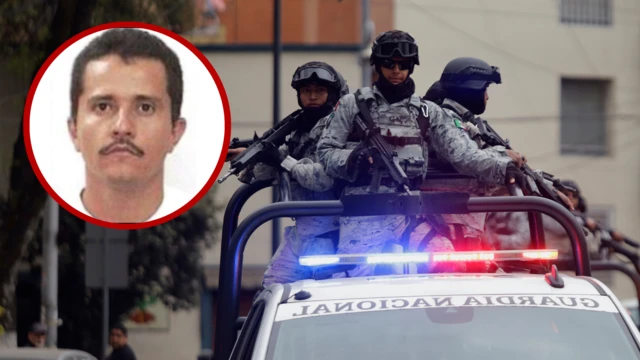
The events of February 22 were rooted in Jalisco state, specifically in the mountain town of Tapalpa — roughly 1,000 kilometers northwest of Oaxaca City. Mexican military forces carried out an operation that resulted in El Mencho’s death. In the hours that followed, Jalisco New Generation Cartel (CJNG) operatives set fire to vehicles and blocked roads in retaliation across roughly 20 states, including isolated incidents flagged in Oaxaca.
The key detail that got lost in the headlines: those incidents were brief, scattered, and not directed at tourists. The U.S. State Department, UK FCDO, and other international agencies all confirmed within 24–48 hours that Oaxaca had returned to normal. The main concentration of sustained disruption remained in Jalisco (particularly Puerto Vallarta and Guadalajara), not in the south.
Oaxaca City’s zócalo kept humming. Markets stayed open. The street food kept cooking. Puerto Escondido’s surf breaks stayed exactly where they’ve always been — waiting.
“We were honestly nervous when we saw the news. But we were already here in Oaxaca City and everything was completely calm — the restaurants were open, we walked the streets at night, took our Monte Albán tour the very next morning. You would never have known anything had happened elsewhere in Mexico.”
— Sarah & Tom, travelers from Austin, Texas
Oaxaca vs. Affected Regions: A Clear Comparison
| Region | Distance from Epicenter (Tapalpa, Jalisco) | Immediate Impact (Feb 22–23) | Status as of Feb 25 |
|---|---|---|---|
| Oaxaca City | ~1,050 km | Minimal / isolated incidents | Normal operations confirmed |
| Puerto Escondido (Oaxaca Coast) | ~1,200 km | No significant disruption | Fully operational |
| Sierra Juárez (Oaxaca Mountains) | ~1,050 km | No disruption reported | Open for tours |
| Puerto Vallarta (Jalisco) | Epicenter region | Severe: fires, roadblocks, flight cancellations | Recovering, some caution advised |
| Guadalajara (Jalisco) | Epicenter region | Severe: airport closed, shelter-in-place | Recovering, some caution advised |
| Cancún / Tulum (Quintana Roo) | ~1,700 km | Moderate disruption, brief advisory | Normal operations confirmed |
Sources: Secretaría de Turismo de Oaxaca, SECTUR Mexico.
Puerto Escondido Is Open — and Absolutely Worth the Trip
Puerto Escondido has been one of the most consistent stories in this entire news cycle: normal, calm, and ready for visitors. The surf at Zicatela still rolls in with that legendary power. The turtles still come to nest. The bioluminescent plankton still glows at night in the warm Pacific waters.
If you’ve been eyeing a beach escape and considered pivoting away from Jalisco’s Pacific coast, Puerto Escondido is a natural — and genuinely spectacular — alternative. It’s always been the traveler’s secret that feels like a reward for showing up.
- Surfing: Zicatela is one of the most powerful beach breaks in the world. Paddleout only if experienced; plenty of calmer spots exist for beginners.
- Marine wildlife: Sea turtle sightings, whale watching (seasonal), manta rays, and dolphins are regular features of the coast.
- Bioluminescence: One of Mexico’s most magical natural phenomena — plankton that lights up the night sea like neon stars.
- Mezcal & food scene: Oaxacan cuisine follows you to the coast. Tlayudas, mole negro, and fresh seafood tostadas in the same meal? Yes.
Explore the coast on our Puerto Escondido Beaches & Marine Life tour, or experience the night magic on our Puerto Escondido Bioluminescence & Marine Wildlife tour.
Oaxaca City & the Central Valleys: Business as Usual
Oaxaca City is one of those places that has a way of making the rest of the world feel very far away. The colonial centro, the art galleries, the mezcal bars lining Macedonio Alcalá, the cloud of copal smoke drifting from the Basílica de Nuestra Señora de la Soledad — none of that stopped for a moment.
The Central Valleys — home to Monte Albán, Mitla, Teotitlán del Valle, and Hierve el Agua — remained fully accessible throughout the weekend of February 22–23. Our guides were in the field. The weaving families of Teotitlán opened their doors. The ancient Zapotec pyramids of Monte Albán watched over the valley as they have for over 2,500 years, completely indifferent to whatever was happening in Jalisco.
Recommended Day Trips from Oaxaca City
These tours were operating normally before, during, and after the events of February 22. They continue to run, and we can confirm availability for upcoming dates:
- Hierve el Agua Falls, Mitla Ruins & Mezcal — A classic full-day through the Central Valleys. Stone forests, ancient ruins, and mezcal at the source.
- Monte Albán Ruins & Artisan Villages — The UNESCO World Heritage site plus the alebrije and black clay villages. A day that covers 2,500 years of Oaxacan creativity.
- Glass Viewpoint (Ixtlán) & Mountain Villages — Northern Sierra — High mountain air, cloud forests, indigenous Zapotec villages, and a glass-floor viewpoint that will challenge your nerve.
- San José del Pacífico & Hanging Bridges — A misty mountain village perched between the sierra and the coast. Hanging bridges, ancient trees, and a special kind of silence.
- Apoala Falls & Mountains — The mythic valley where the Mixtec believed humanity was born. Waterfalls, cave paintings, and a sky that belongs to hawks.
- San Sebastián de las Grutas: Caves & Cenote — An underground world of stalactites, turquoise cenotes, and cathedral-like caverns few travelers ever discover.
Practical Safety Tips for Traveling Oaxaca Right Now
Oaxaca is safe. And like any destination worth visiting, a little local knowledge goes a long way. Here’s what we recommend:
- Monitor official sources: Check SECTUR and your government’s travel advisory page before departure. Conditions can shift.
- Travel with a local guide: The best way to experience Oaxaca is also the safest — with someone who knows the roads, the communities, and the rhythms of the region.
- Avoid driving between cities after dark: This is standard good practice throughout Mexico, not specific to current events.
- Use registered transport: All our tours use licensed, vetted transportation. Avoid flagging down street taxis; use app-based services or hotel-arranged rides.
- Stay informed locally: Our team is on the ground every day. If conditions ever change, we notify guests proactively.
- Purchase travel insurance: A basic precaution for any international trip, especially during periods of regional uncertainty.
- Enroll in STEP (US travelers): The State Department’s Smart Traveler Enrollment Program gives you real-time alerts.
For official environmental and protected area regulations in Oaxaca, consult CONANP (National Commission of Protected Natural Areas).
Frequently Asked Questions: Oaxaca Safety After El Mencho
Is Oaxaca safe to visit right now (February 2026)?
Yes. Both the U.S. State Department and international travel agencies confirmed that Oaxaca returned to normal operations within 48 hours of the February 22 events. Oaxaca City, the Central Valleys, and Puerto Escondido were not significantly affected. Standard travel precautions apply, as they do anywhere in Mexico.
Was Puerto Escondido affected by the violence after El Mencho’s death?
No. Puerto Escondido remained calm and fully operational throughout the period. It is one of the destinations specifically named as unaffected in multiple international travel updates. Tours, beaches, and services continued without interruption.
Should I cancel my Oaxaca trip because of what happened in Jalisco?
We would not recommend canceling based on events centered in Jalisco, which is over 1,000 km from Oaxaca. The situation is comparable to canceling a trip to Barcelona because of events in a different country — the geography matters enormously. That said, always check your own government’s current travel advisory before making any final decision.
Are the roads from Oaxaca City to Monte Albán, Hierve el Agua, or the coast safe?
Yes. These routes were unaffected. Our tours have been running normally, and we monitor road conditions daily. The standard precaution of avoiding inter-city road travel after dark remains relevant, as always.
Where can I find the most current official safety information for Oaxaca?
For the most up-to-date information, consult the Oaxaca State Secretary of Tourism and your own government’s travel advisory portal. Our team is also always available to answer questions directly.
Are Tours Oaxaca MX tours still operating?
Yes, all our tours are operating normally. We have local guides in the field daily across Oaxaca City, the Central Valleys, the Sierra Juárez, and the coast. If anything ever changes, we notify guests immediately and work to reschedule or refund.
Information may change; please confirm schedules, regulations, and availability before booking. For legal, environmental, or safety matters, consult local authorities or official sources. Visit our homepage or contact us for the latest updates.
Oaxaca Is Still Oaxaca — Come and See for Yourself
The headlines were real, but the story they told about Oaxaca wasn’t. The ancient valleys, the handmade textiles, the smoke of copal incense, the cold mezcal poured by someone who grew the agave themselves — none of that changed. Oaxaca has weathered far more than a distant news cycle, and it remains one of the most rewarding, layered, and genuinely alive destinations in all of the Americas. We’re here. Our guides are ready. The mountains are waiting.


