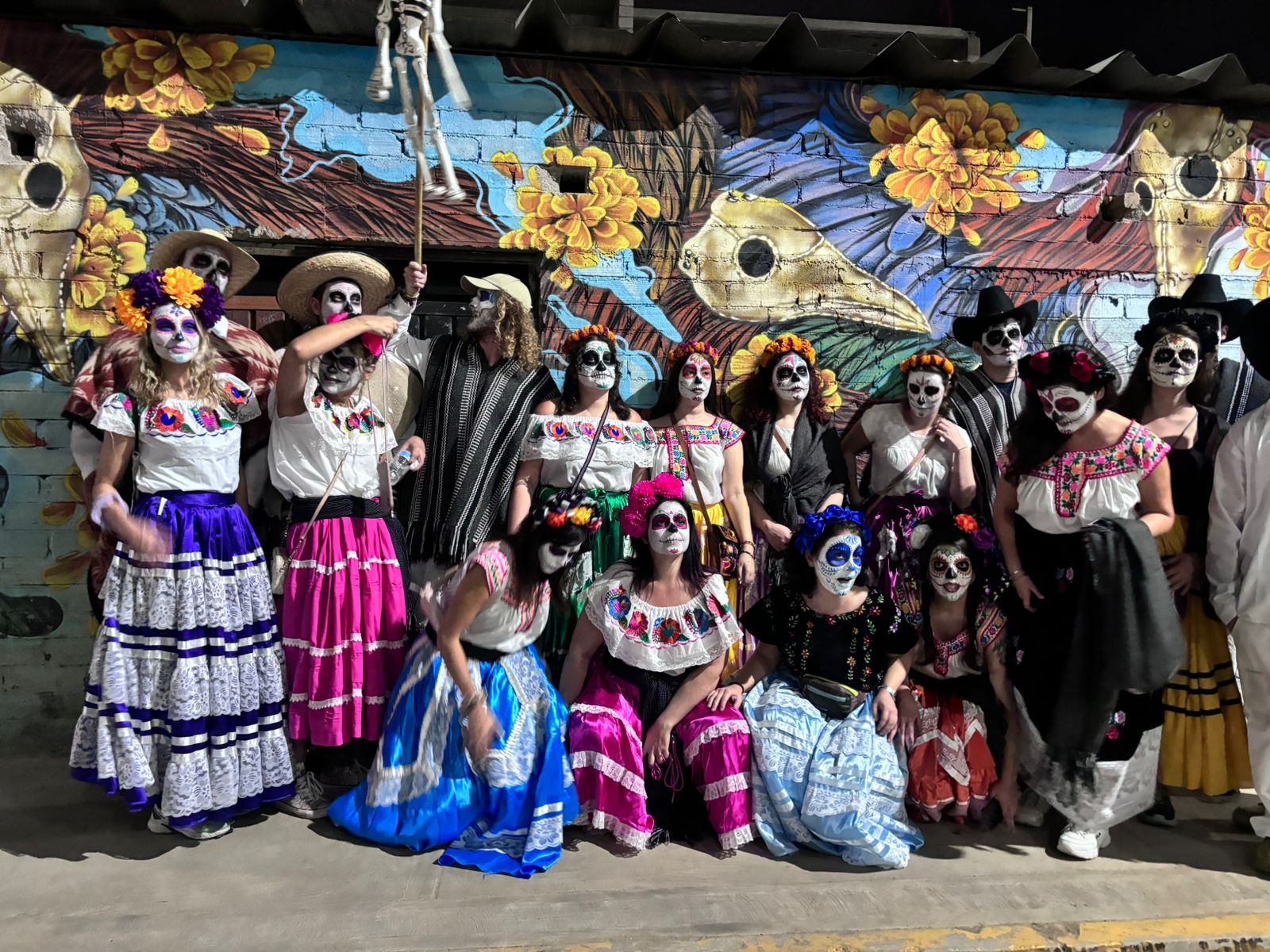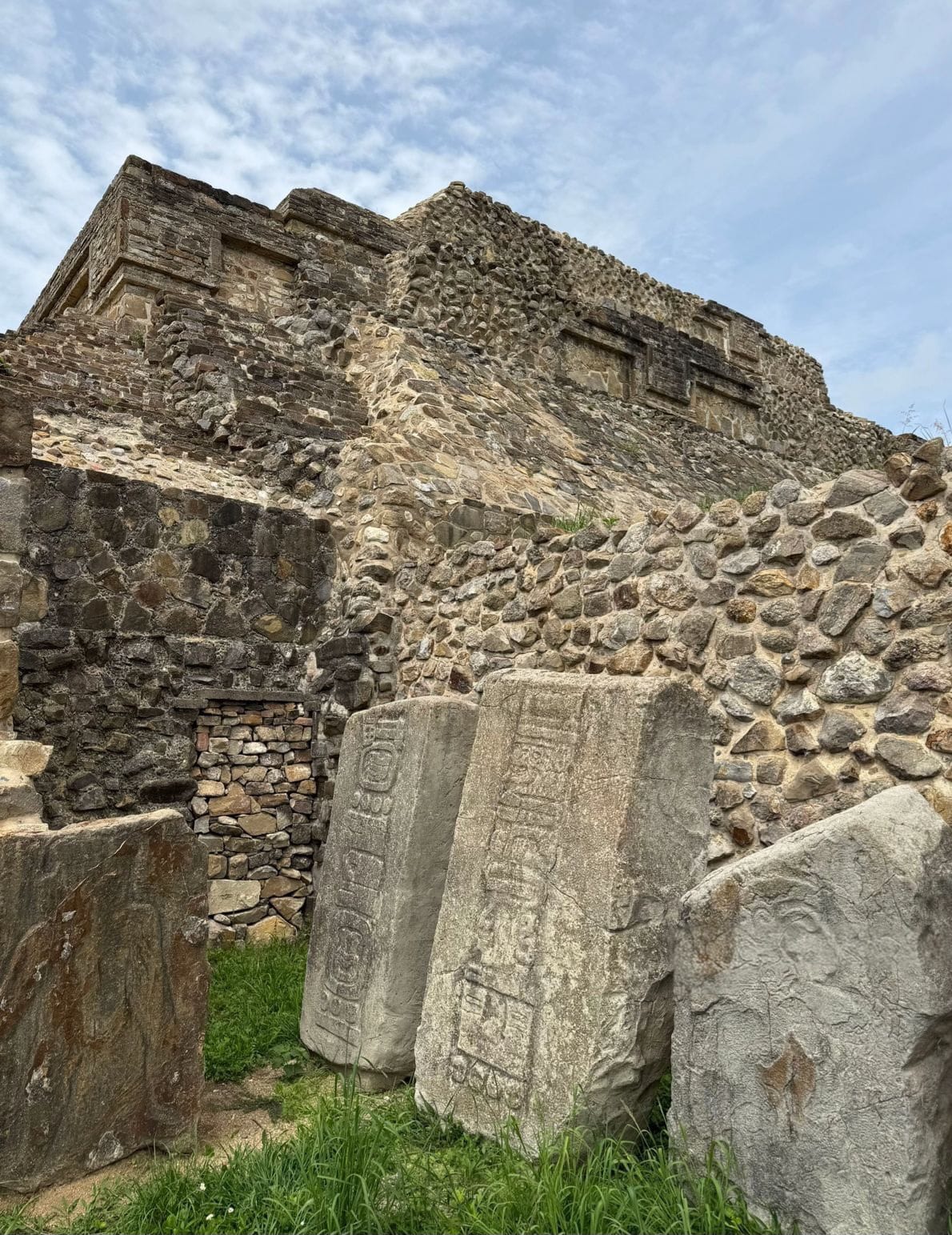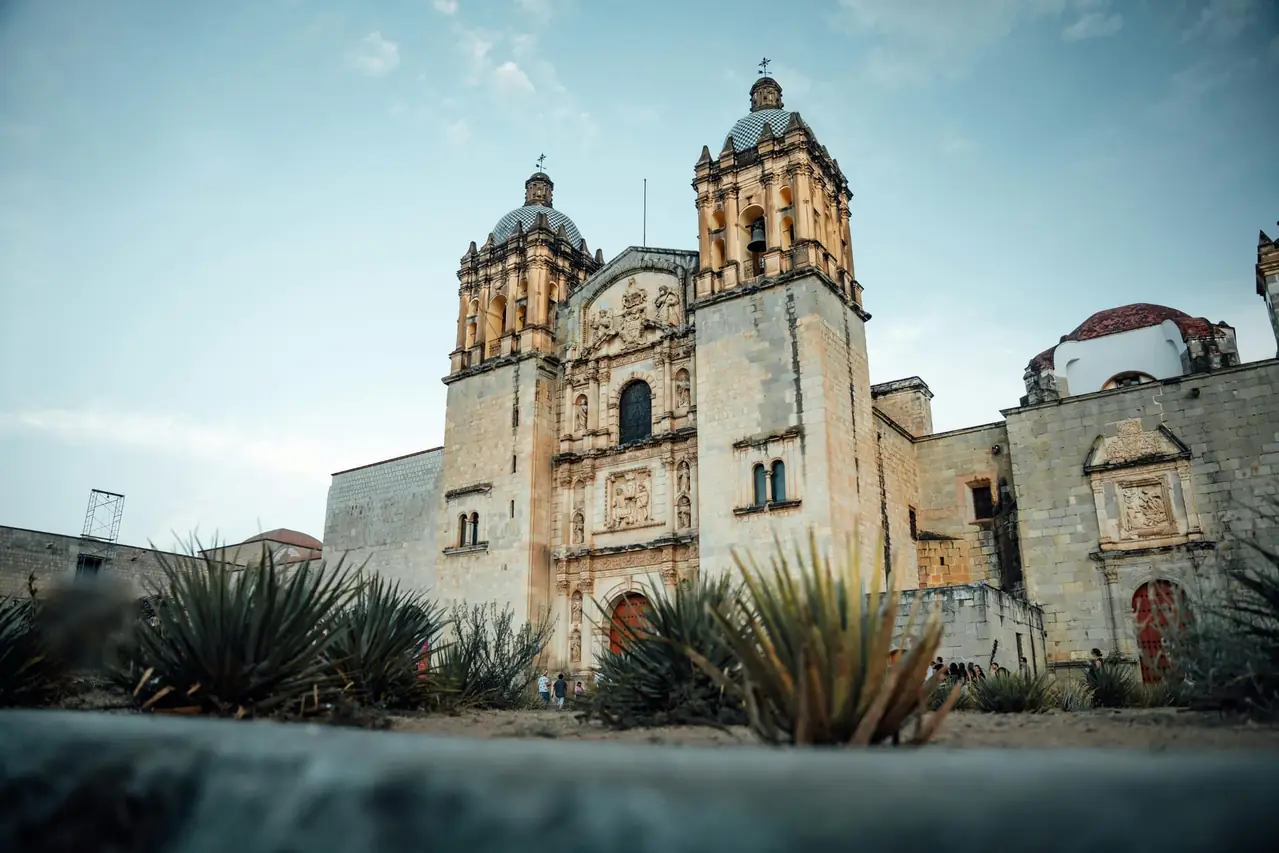
Every year, as late October approaches, the same advice circulates among travelers who've already made the trip to Oaxaca for Day of the Dead: "book earlier than you think you need to." This is, without exaggeration, the single busiest week on Oaxaca's tourism calendar — busier even than July's Guelaguetza — and where you choose to stay can shape how well you experience every night of the season. This guide breaks down which area to book, what type of lodging fits your travel style, when to reserve, and what to expect in terms of price, amenities, and getting around.
Why Your Neighborhood Matters So Much This Week
Unlike a typical trip to Oaxaca, where you can move at an easy pace between downtown and full-day excursions, Day of the Dead concentrates much of the experience into nighttime hours: the cemetery tours on the night of October 31, and the Muerteada in Etla on the night of November 1, both of which can run well into the early morning. Choosing a poorly located place to stay doesn't just cost convenience — it can mean pricier taxis, longer commutes after a long night, and less time to rest before the next day's activities.
Recommended Areas Based on Your Priority
| Area | Main advantage | Best if... |
|---|---|---|
| Centro Histórico | Walk to the Zócalo, markets, churches, and most tour pickup points | You want maximum proximity to everything and don't mind the nighttime buzz of this particular week |
| Immediately around downtown (Jalatlaco, Xochimilco) | Quieter atmosphere, still a short walk or quick taxi from downtown | You'd rather have some calm without giving up convenience |
| Southern area, near Xoxocotlán | Shorter commute to the Xoxocotlán cemeteries on the night of October 31 | The cemetery tour is your top priority and you want to minimize the return trip |
| Etla | Essentially no tourist-oriented lodging | Not recommended as a base — the Muerteada is best experienced as a round-trip night tour from the city, not as an overnight stay there |
For most visitors, the Centro Histórico remains the most practical choice: it's where most tour pickup points are located, where you'll find markets selling fresh pan de muerto, and where the city's energy is most concentrated throughout the season. If you'd rather have something a bit quieter without straying too far, immediately adjacent neighborhoods like Jalatlaco strike a good balance.
Types of Lodging Available in Oaxaca
Beyond the neighborhood, it's worth thinking about which type of lodging fits how you travel during Day of the Dead, since the downtown offering is fairly varied.
- Boutique hotels: usually set in restored colonial-era buildings downtown, with a small number of rooms, interior courtyards, and often rooftop terraces. A comfortable option if you want full hotel service (front desk, daily cleaning, sometimes breakfast included) without giving up proximity to the Zócalo.
- Guesthouses and hostels: a more budget-friendly alternative, often family-run, with private or shared rooms. Usually just as well located as boutique hotels, but with fewer services included.
- Airbnb-style rentals: full apartments or houses offering more privacy, your own kitchen, and generally more space if traveling as a group or family. A popular choice for travelers who prefer to set their own schedule without relying on hotel front-desk hours.
No single option is objectively better — it depends on whether you prioritize hotel-style service, budget, privacy, or space. What's worth checking in any of the three cases is the actual walking distance to the Zócalo and the markets, since downtown's usual rhythm shifts noticeably during this particular week.
Which Amenities to Prioritize During This Particular Week
Day of the Dead has its own rhythm, which makes certain amenities matter more than usual. Before booking, it's worth checking whether your lodging offers the following:
- A rooftop or terrace with a view: some downtown properties have rooftops where you can catch glimpses of comparsa activity or the city's lights — a minor perk most of the year, but a genuinely valued one this week.
- Real proximity to the markets: if trying fresh pan de muerto is on your list, staying within easy walking distance of Mercado Benito Juárez or Mercado 20 de Noviembre makes your daily logistics much easier.
- Flexible check-in hours: since night tours return late, confirm your lodging has 24-hour front desk service or an independent access system (lockbox, entry code), so you're not tied to a fixed nighttime check-in window.
- Reliable wifi: many travelers use these nights to share photos and video in real time; a stable connection stops being a luxury and becomes part of the experience.
- Flexible or self-serve breakfast options: after a long night, it's common to start the next day later than usual; lodging with flexible breakfast hours or a kitchen helps you adjust your pace without friction.
When to Book: Earlier Than You Think
- Ideally, months in advance: many repeat travelers book their Day of the Dead lodging and tours as early as mid-year.
- Limited-capacity night tours fill up first: the cemetery tour and the Muerteada operate with capped group sizes for logistics and respect toward the host communities, so they often sell out before lodging itself does.
- Prices typically rise noticeably during Day of the Dead week compared to other times of year — it's the state's highest-demand travel period.
- Traveling as a group or family? Booking early gives you more options for connecting rooms or larger spaces, which tend to sell out first.
A Lodging Option of Our Own: Stays with Tours Oaxaca MX
Alongside guided tours, Tours Oaxaca MX offers Airbnb-style lodging near the airport and the city center, designed for travelers who'd rather coordinate transport, tours, and accommodation with the same local operator. It's not the only option out there — downtown Oaxaca has a wide range of independent hotels and stays — but it can simplify logistics if you're already booking your night experiences with us. You can browse general availability alongside the seasonal tours directly on the site.
Night Tours Worth Booking Early
| Tour | Night | Price |
|---|---|---|
| Cemetery night tour | October 31 | 1,550 MXN |
| Muerteada in Etla | November 1 | 1,550 MXN |
Getting Between Your Lodging and Pickup Points
Transportation logistics deserve their own section during Day of the Dead, because downtown's rhythm shifts during this week and some streets can temporarily close for passing comparsas or processions.
- On foot, if you're staying downtown: most tour pickup points sit within walking distance of the Zócalo, removing the need for extra transport before you head out.
- Ride-hailing apps: work normally in Oaxaca, though on the highest-activity nights (October 31 and November 1) wait times can stretch due to demand and occasional temporary street closures.
- Taxi stands (sitios): a reliable alternative, especially at night; ask your lodging for a trusted nearby taxi stand.
- Transport included in the tour: Tours Oaxaca MX's night tours include round-trip transport from a central point, so once you're on the tour you don't need to worry about the return trip — only about getting to the initial meeting point.
- Skip the rental car downtown: traffic and occasional road closures make walking or taking a taxi almost always more practical than driving yourself during this week.
Essential Lodging Tips for Day of the Dead
- Book lodging and tours separately, and early: don't assume securing a tour spot guarantees nearby lodging, or vice versa.
- Check the cancellation policy: many properties tighten their terms during peak season; review them before paying.
- Ask about nighttime noise: downtown Oaxaca is lively during this week; if you're noise-sensitive, ask for an interior room away from the main street.
- Carry cash: many small businesses, markets, and seasonal stalls don't take cards.
- Consider arriving a day or two before October 31 to settle in, locate your tour pickup points, and avoid the stress of a last-minute arrival in the middle of peak season.
- Keep your lodging's address handy in Spanish: useful for taxi drivers and for orienting yourself if you get separated from your group during a busy comparsa.
Frequently Asked Questions About Lodging in Oaxaca for Day of the Dead
How far in advance should I book lodging for Day of the Dead?
Ideally several months ahead, as early as mid-year. It's the highest-demand travel week across the entire state of Oaxaca.
What's the best area to stay in if I want to walk everywhere?
The Centro Histórico, thanks to its proximity to the Zócalo, traditional markets, and the pickup points for most night tours.
Should I stay in Etla for the Muerteada?
It's not necessary or the most practical option. The Muerteada is best experienced as a round-trip night tour from Oaxaca City; Etla has very little tourist-oriented lodging.
Does Tours Oaxaca MX offer lodging in addition to tours?
Yes, it offers Airbnb-style lodging near the airport and the city center as part of its services, alongside tours, vehicle rentals, and private trips.
Do lodging prices rise a lot during Day of the Dead?
Yes, it's the highest-demand season of the year and prices typically rise noticeably compared to other times. Booking early helps secure better options and rates.
Do I need a rental car if I'm staying downtown?
Generally, no. The historic center is very walkable and night tours include round-trip transport from a central point, so a rental car tends to be more of a hassle than a help during this week.
Conclusion: The Right Logistics Make the Difference
Day of the Dead in Oaxaca is an experience lived mostly at night, on the move, between cemeteries, comparsas, and streets full of marigolds. Choosing where to stay carefully, picking the type of lodging that fits how you travel, and booking as early as this season demands — isn't a minor detail: it's what lets you enjoy every night without the wear of long commutes or last-minute uncertainty. Plan ahead, prioritize proximity to downtown, and let logistics be the last thing on your mind once you're there.
Information may change; confirm availability and booking policies directly with your accommodation. For official tourism information, check the Oaxaca State Tourism Office (SECTUR).