Between late October and the first days of November, bakeries across Oaxaca City shift into a different rhythm. The scent of orange blossom and anise drifts through the streets of downtown, trays fill with golden loaves fresh from the oven, and on top of each one sits something you won't find anywhere else in Mexico: a small hand-painted face, molded from dough and colored by hand, giving Oaxaca's pan de muerto its own personality. It isn't just a seasonal treat — it's one of the most charming and least internationally known symbols of Day of the Dead in the entire state.
What Pan de Muerto Is and Where It Comes From
Pan de muerto is a sweet egg bread, soft and slightly dense, traditionally flavored with orange blossom water and, in many recipes, a touch of anise. Its most widely known shape — common in central Mexico — is a round loaf topped with strips of dough shaped like crossed bones, finished with a small ball in the center representing a skull or a heart, all dusted with sugar.
The bread's use as an offering traces back to the fusion of pre-Hispanic traditions of honoring the dead with food and seeds, and the wheat bread introduced during the colonial period. Before wheat arrived, different Mesoamerican peoples already placed ritual foods — tamales, seeds, amaranth figures — as part of their own ceremonies dedicated to the dead. Wheat bread was gradually folded into that existing symbolic logic, slowly taking on the shapes we recognize today: the dough "bones," the central sphere, and the dusting of sugar evoking bleached bone.
Over time, each region of Mexico developed its own version: pink pan de muerto appears in parts of Puebla, sesame-topped versions in Michoacán, loaves dusted in red sugar in parts of Tlaxcala, and in Oaxaca, the variant that makes it instantly recognizable.
Oaxaca's Pan de Muerto: The Face That Sets It Apart
What makes Oaxacan pan de muerto unique is its decoration: instead of — or in addition to — the crossed "bone" strips, many Oaxacan bakeries shape a small human face on top of the bread and paint it by hand in bright colors — pink, blue, white — giving it an almost clay-doll expression. Some versions show a calm, neutral face; others, especially those sold as gifts or for children, take on a more playful, toy-like character.
That painted face connects the bread to another very Oaxacan tradition: the clay figures and masks that appear in the comparsas and muerteadas of the region, where the face — painted, carved, or molded — always plays a central role in how local culture represents the relationship between the living and the dead. A bread with a face isn't just a decorative quirk; it's an extension of that same sensibility.
Common Varieties Found in Oaxaca
- Yema bread with a painted face: the most iconic version, with a yellow crumb from the amount of egg used, topped with its signature painted face. It's usually the largest loaf and the one placed at the center of the ofrenda.
- Filled pan de muerto: some bakeries offer versions filled with pastry cream, chocolate, or local fruit preserves such as guava or blackberry.
- Whole-grain or seasonal variations: more recent, less traditional versions that some bakeries add to diversify their offerings for visitors looking for something less sweet.
- Small ofrenda-sized loaves: miniature breads, about the size of a fist, made specifically to be placed on home altars alongside other foods, without needing to buy a full-sized loaf.
- Figure-shaped breads: in some markets you'll also find dough shaped into little animals or figures, aimed mostly at children or as a gift item.
How It's Made: From Kneading to the Painted Face
The traditional process starts with an enriched dough of wheat flour, eggs, butter or lard, sugar, and yeast, scented with orange zest, orange blossom water, and, in many family recipes, a pinch of ground anise. Kneading takes time — often done entirely by hand — because a well-worked dough is what gives the bread its soft, elastic crumb, strong enough to hold the decoration's weight without collapsing during baking.
Once the central round is shaped, the baker sets aside a small portion of dough to model the face — a small, flat figure, sometimes barely the size of a coin — and presses it onto the loaf before the first rise. After baking, once the bread has cooled, comes the step that sets Oaxacan tradition apart from any other: painting the face by hand, usually with diluted food coloring and a fine brush, giving each loaf a slightly different expression from the last — part of the charm of buying handmade pan de muerto instead of a mass-produced one.
Where to Try Pan de Muerto in Oaxaca City
The most authentic way to experience pan de muerto isn't at a convenience store — it's at the city's traditional markets. Mercado Benito Juárez and Mercado 20 de Noviembre, both just a few blocks from the Zócalo, are home to dozens of local bakery stalls that, during these weeks, dedicate much of their production entirely to pan de muerto. Walking through the aisles, watching trays come out of the oven, and comparing each stall's painted faces is, in itself, an experience worth the trip.
Many neighborhood bakeries outside the tourist circuit also make their own pan de muerto following family recipes passed down for generations — and it's often there, in small businesses with little online presence, that you'll find the most homemade and least standardized versions.
| Detail | Information |
|---|---|
| Season | Late October through the first days of November |
| Signature flavor | Orange blossom and/or anise, egg-rich crumb |
| Oaxaca's distinctive touch | Hand-painted face on top of the loaf |
| Where to find it | Mercado Benito Juárez, Mercado 20 de Noviembre, neighborhood bakeries |
| Traditional pairing | Oaxacan hot chocolate or atole |
| Ritual use | Offering placed on Day of the Dead home altars |
How It Compares to Pan de Muerto from Other Regions
Traveling across Mexico during Day of the Dead season reveals just how many versions of this bread exist. In Mexico City and much of central Mexico, the classic crossed-"bone" shape dominates, without a face, often dusted with plain white sugar. In Puebla and Tlaxcala, versions dyed pink or red are common — a visual nod to blood and life. In Michoacán, especially around Lake Pátzcuaro, it's common to find bread shaped into full human figures — not just a face, but an entire dough body — directly representing the deceased.
Against all these variations, Oaxaca's take stands apart because it keeps the classic yema-bread shape but adds a painted face on the surface, rather than sculpting a full figure or changing the color of the dough. It's a subtler decoration, but also a more personal one: each face, hand-painted without a stencil, ends up slightly different from the last, even within the same batch from the same stall.
Pan de Muerto on the Ofrenda
Beyond being a seasonal treat, pan de muerto has a fixed place on the ofrenda — the home altar Oaxacan families set up to welcome their departed loved ones between October 31 and November 2. It's placed alongside marigold flowers, candles, photographs, seasonal fruit, mezcal, and the deceased's favorite dishes. Tradition holds that it's the aroma and essence of the food — not the food itself — that the dead receive during their yearly visit.
This ritual use is recognized as part of Mexico's intangible cultural heritage by UNESCO, which lists the indigenous festivity dedicated to the dead among the country's most significant cultural expressions. If you want to go deeper into the meaning behind each altar element, it's worth pairing this with a guided visit during the season.
Experience Pan de Muerto as Part of the Full Season
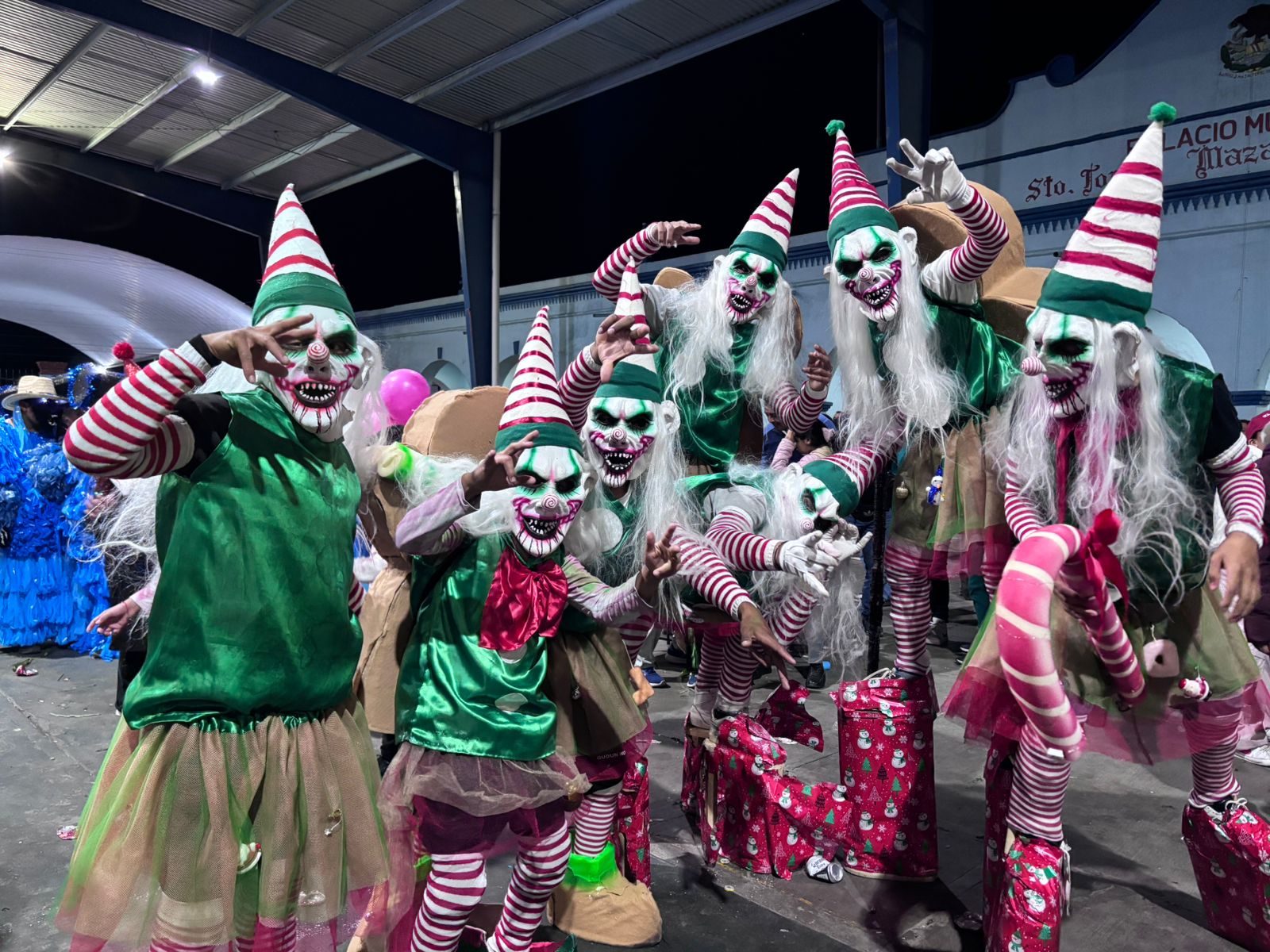
Trying pan de muerto at a Oaxaca market is just one piece of the puzzle during these dates. The experience becomes much richer when you pair it with the nights of October 31 and November 1, when the city fully lives out its two most iconic traditions: the nighttime visit to the cemeteries of Xoxocotlán and Santa María Atzompa, and the Muerteada in Etla, with its costumed comparsas and brass bands parading through the streets until the early hours.
- Book the October 31 cemetery night tour to experience the night among candles and marigolds.
- Pair it with the November 1 Muerteada in Etla to see the tradition's more festive, community-driven side.
- Before or after either tour, take time to walk through the downtown markets and pick up — or eat right there — your own piece of pan de muerto.
Essential Tips for Enjoying Pan de Muerto in Oaxaca
- Go early for the best loaves: the most popular bakery stalls inside the markets often sell out of freshly baked batches by mid-morning.
- Compare before you buy: every stall has its own recipe and painted-face style; it's worth walking through several before deciding.
- Pair it with Oaxacan hot chocolate: it's the traditional local combination, distinct from the milk-based chocolate used elsewhere in Mexico.
- Bring cash: most market stalls don't accept cards.
- Buying as a gift? Ask for individually wrapped pieces — they travel better than open trays.
- Respect the ritual use: if you see bread placed on a public offering or community altar, don't take it or move it — it's an offering, not a snack.
- Ask about the aromatic ingredient: some stalls use orange blossom, others anise, and some combine both — if you have a preference, ask before buying.
Frequently Asked Questions About Oaxacan Pan de Muerto
What makes Oaxaca's pan de muerto different from the rest of Mexico?
Mainly, the hand-painted face on top of the loaf — a distinctive touch of the region not commonly found on the versions of pan de muerto sold in central Mexico or other states.
Where can I buy authentic pan de muerto in Oaxaca City?
Mercado Benito Juárez and Mercado 20 de Noviembre, in the historic center, are the most reliable spots for variety and quality. It's also worth seeking out neighborhood bakeries outside the tourist circuit.
When does pan de muerto season start in Oaxaca?
Production ramps up in late October through the first days of November, coinciding with Day of the Dead celebrations from October 31 to November 2.
Is pan de muerto just for eating, or does it have a ritual use too?
Both. It's enjoyed as a seasonal treat, but it's also a central offering on family altars, placed alongside flowers, candles, and the favorite foods of the deceased being remembered.
Can I combine a pan de muerto stop with other seasonal activities?
Yes — it's one of the best ways to round out a cemetery tour or a Muerteada. Visit the downtown markets before or after either nighttime experience to take in the full season.
Is Oaxacan pan de muerto very different from the version in Mexico City?
Yes, in the decoration: while the better-known central Mexico version uses faceless dough strips shaped like bones, the Oaxacan version keeps that base but adds a hand-painted face, a very particular regional signature.
Can I find pan de muerto outside of Day of the Dead season?
It's uncommon. Most bakeries make it exclusively during the weeks around the celebration, so if you visit Oaxaca at other times of year, you likely won't find it.
Conclusion: A Tradition You Taste, See, and Share
Oaxacan pan de muerto is, perhaps, the most accessible and delicious introduction to everything surrounding Day of the Dead in the state: a tradition you can hold in your hands, smell before you taste, and carry home as an edible souvenir. Its painted face sums up, in a single piece of bread, the way Oaxaca turns the memory of the dead into something close, colorful, and deeply human.
Information may change; confirm market hours and availability before your visit. For official tourism information, check the Oaxaca State Tourism Office (SECTUR).