Every year, between October 31 and November 2, thousands of travelers arrive in Oaxaca for one of Mexico's most profound celebrations. But Día de Muertos in Oaxaca is not an ordinary holiday: it means long nights in cemeteries, walking on cobblestone streets, sharp temperature swings, and logistics that can catch unprepared visitors off guard. This guide focuses on something very specific — what to put in your suitcase, what to leave at home, and what to sort out before you fly — so you can focus on the experience instead of solving problems on the street at midnight.
Why Packing Well Matters So Much for This Week
Día de Muertos in Oaxaca happens mostly outdoors and at night: comparsas parading through several blocks, cemetery vigils that stretch into the early morning, packed markets, and constant movement between the city and the villages of the Central Valleys. Unlike a beach vacation, the real itinerary is dictated by tradition — the celebrations don't adjust to your schedule, you adjust to theirs. That means cold nights outside, hours on your feet, and very little tolerance for uncomfortable shoes or running out of cash at eleven at night.
The Real Weather: What Generic Blogs Don't Tell You
Oaxaca City sits at about 1,555 meters (5,100 feet) above sea level, and by late October and early November the climate is in transition: the rainy season is winding down and the dry season is beginning. During the day, temperatures typically run 22–26°C (72–79°F) with plenty of sun — comfortable in short sleeves. But once the sun sets, especially at open-air cemeteries or in the villages of the Sierra and the Central Valleys, temperatures can drop to 10–14°C (50–57°F), and the most important vigils happen precisely at night. An occasional late-afternoon shower is still possible, so the weather isn't 100% predictable.
| Time of day | Approximate temperature | What to expect |
|---|---|---|
| Morning | 14–17°C (57–63°F) | Cool, a good time for breakfast downtown |
| Midday / afternoon | 22–26°C (72–79°F) | Sunny, possible brief showers near dusk |
| Night (cemeteries, comparsas) | 10–14°C (50–57°F) | Noticeably cold, especially after 10 pm |
The List: What to Put in Your Suitcase
Clothing
- Light layers: a breathable shirt or top for daytime, plus a light sweater or jacket for the evening. A layering system beats one heavy item, because in the same day you can go from a sunny 26°C to 11°C inside a cemetery within a few hours.
- A jacket or windbreaker you can easily carry during the day and put on the moment the sun goes down. The lighter it packs down, the better — you'll be carrying it in your bag for much of the day.
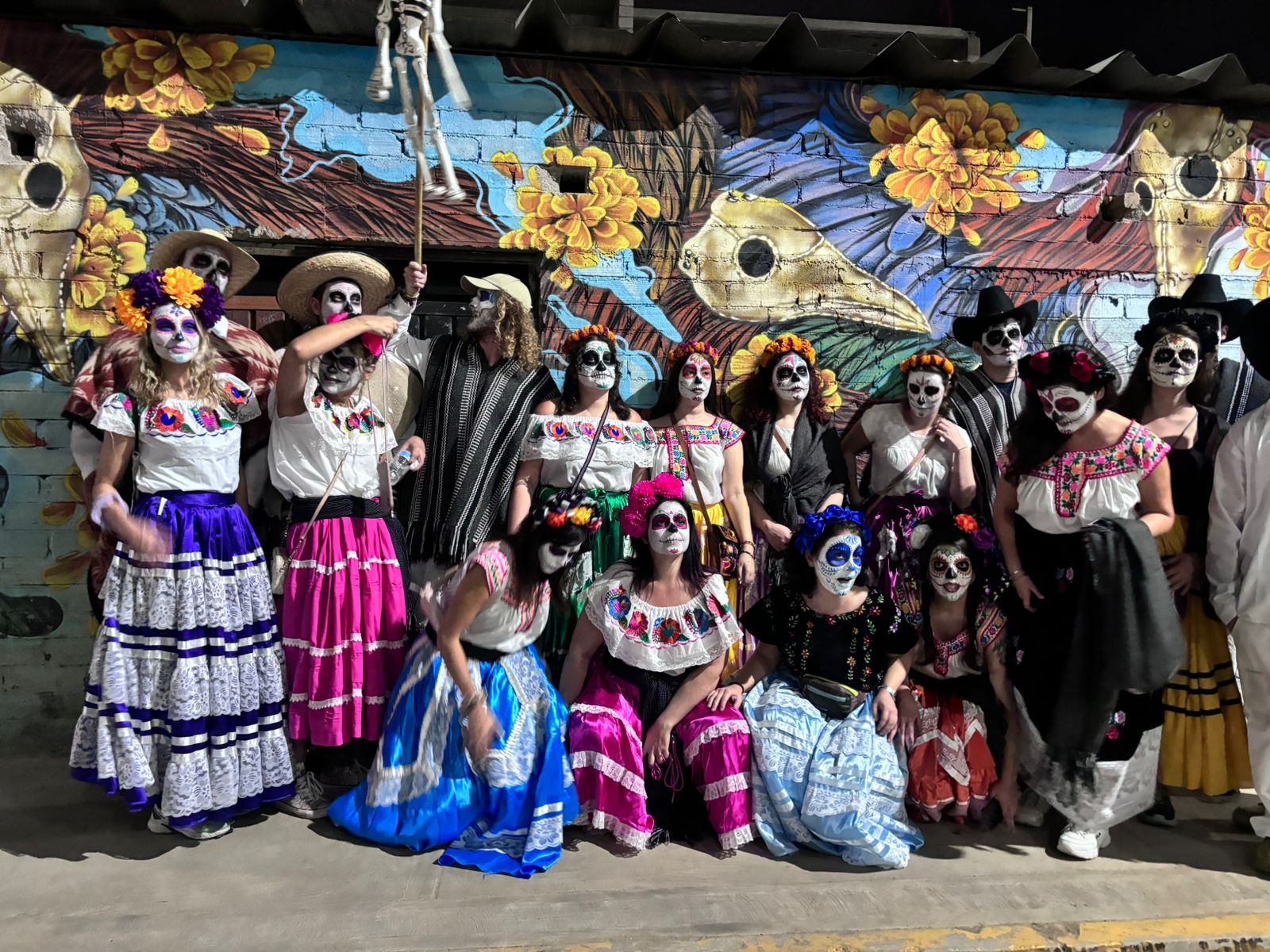
- Festive but respectful clothing: many travelers want to dress up, and joining in with bright colors is welcome, but avoid full "Catrina" face paint or elaborate costumes unless you're attending a specific event built around that (like certain parades). Inside cemeteries, what's most appreciated is a quiet, respectful presence, not a costume.
- A light scarf or bandana — useful for the cold at night and for dust on unpaved roads if you visit cemeteries in outlying villages.
Footwear
- Closed, comfortable, already broken-in shoes (don't debut new shoes this week). Downtown streets are cobblestone, and cemeteries often have uneven ground, with dips and loose earth between graves.
- Skip heels or thin sandals: you'll be walking and standing for hours, and a stumble in the dark of a cemetery is more likely than it sounds.
- If your itinerary includes a Sierra or Valley village as part of a day tour, sneakers with solid tread hold up better on dirt roads than city shoes.
Electronics and Documents
- A portable power bank: you'll be using your phone for photos, maps, and staying in touch with your group all night, and hunting for an outlet mid-vigil isn't a reliable option.
- Offline maps (Google Maps lets you download areas in advance): signal in cemeteries and outlying villages can be spotty.
- A digital and physical copy of your ID/passport, especially if you're heading to villages outside the city.
- A small flashlight or a phone with good battery life — some stretches between parking areas and the cemetery entrance aren't well lit.
Health Kit and Personal Care Items
A common mistake is packing only for clothing and forgetting the health details that make the difference between an enjoyable night and an uncomfortable one. Oaxaca's altitude, the midday sun, and long hours on your feet are worth a small separate pouch of essentials.
- Sunscreen: the midday sun in Oaxaca is strong even in autumn, and many daytime activities (markets, walks to villages) happen outdoors.
- Hand sanitizer and wet wipes: useful after eating street food or before taking part in a community ofrenda.
- Basic pain relief and something for an upset stomach: eating on the street is part of the experience, but it's worth bringing the basics in case your stomach needs a day to adjust.
- Light insect repellent, especially if you're visiting cemeteries or villages with more greenery in the evening.
- Your regular medications in their original packaging, with at least one extra day's supply in case your return is delayed.
- Motion sickness tablets if your itinerary includes mountain roads to Sierra villages — the curves can affect those who are prone to it.
Money and Logistics
- Cash in Mexican pesos: most food stalls, flower vendors, and street sellers during these dates don't take cards. Withdraw cash ahead of time — ATMs can have long lines or run out during the busiest week of the year.
- Earplugs: comparsas and brass bands play loud and late, especially in villages like Etla. If noise disrupts your sleep, you'll be glad you packed them.
- A little spare cash ready in case you're invited to contribute mezcal, bread, or flowers to a community ofrenda — it's common and appreciated, though never required.
Traveling with Kids or Elderly Family Members
Día de Muertos can be a beautiful experience for the whole family, but the long nights, cold, and crowds call for adjustments if you're traveling with young children or older relatives. For kids, it helps to explain beforehand what they'll see — candles, flowers, music, and people gathered to remember loved ones — so they understand it's a moment of respect, not a costume party. Bringing an extra jacket, some light snacks for the walk, and planning to leave the cemetery before tiredness sets in usually prevents nighttime meltdowns. A stroller isn't practical on uneven ground; if your child can't yet walk long distances, a baby carrier works far better across cobblestone streets and dirt paths.
For older travelers, Oaxaca's altitude (1,555 m / 5,100 ft) can be felt in the first couple of days, so planning a calm start to the trip helps with acclimatization before the long nights of October 31 and November 1. A cane or walking support is useful on uneven cemetery ground, and agreeing on a fixed meeting point within your group prevents anyone getting separated in the crowd. If extended walking is a concern, consider a guided tour that includes transport right up to the cemetery entrance, rather than relying on loose taxis during the busiest night of the year.
Book Well in Advance: This Is the Busiest Week of the Year
Día de Muertos is, alongside July's Guelaguetza, the highest season of the year in Oaxaca. Boutique hotels in the historic center and guided experiences to the cemeteries and comparsas sell out weeks or even months ahead. If your plan includes a guided vigil at the Xoxocotlán and Santa María Atzompa cemeteries, or joining a comparsa like the Muerteada in Etla, book as far ahead as possible — spots on these tours are limited out of respect for the communities and families taking part.
| Experience | Date | What's included | Price from |
|---|---|---|---|
| Cemetery night tour | Night of October 31 | Guided visit to the Xoxocotlán and Santa María Atzompa cemeteries with a bilingual guide | $1,550 MXN |
| Muerteada in Etla | Night of November 1 | Comparsa with music, dance, and costumes in Santiaguito and Soledad Etla | $1,550 MXN |
| Hierve el Agua, Mitla & Mezcal | Any day (recommended before Oct. 31) | A great daytime complement while you wait for the main night events | $500 MXN |
What You Don't Need to Bring: Pack Light
Knowing what to leave at home matters just as much as knowing what to pack. Excess luggage complicates exactly the nights when you most need to move freely.
- Large bags for the night outings: leave your main luggage at the hotel and go out with just a small backpack. Hauling a large bag through a packed cemetery is awkward and impractical.
- Fine jewelry or sentimental valuables: between the crowds, the dust of dirt roads, and hours on your feet, this isn't the ideal setting for delicate pieces.
- Formal wear or dress shoes: there's no point in the traditional route where formal attire is needed; comfort beats elegance every one of these nights.
- Too much "just in case" clothing: with the layering system described above, two or three well-chosen combinations cover several days' weather without needing an extra suitcase.
- A large umbrella: if it rains, a brief drizzle is most likely, and a light, foldable poncho takes up far less space and is far less awkward in a crowd.
Quick Checklist for Vigil Night
Before heading out to the cemetery or the comparsa, a two-minute review avoids the classic "I forgot something" moment halfway down the street:
- Jacket or sweater for the cold night air
- Closed, comfortable shoes, already broken in before the trip
- Power bank, fully charged
- Cash in small bills
- ID
- Offline map of the area you're visiting, downloaded in advance
- Earplugs, if noise bothers you
- Hand sanitizer and basic pain relief
- Flashlight or phone with good battery life
Etiquette That Doesn't Fit in a Suitcase, but Still Needs Preparing
Many visitors describe that what stays with them most about Día de Muertos in Oaxaca isn't what they packed, but how they behaved. Cemeteries aren't a tourist backdrop: they're places where real families spend the night remembering loved ones with candles, marigolds, and music. Walking calmly, asking permission before photographing a grave or a family, and lowering your voice near an active vigil makes a real difference. Both Mexico's Secretaría de Cultura and organizations like UNESCO, which recognizes this tradition as Intangible Cultural Heritage of Humanity, agree that its value lies precisely in being a living, family-centered practice — not a show staged for tourism.
Last-Minute Essentials
- Arrive with at least one buffer day: if your flight is delayed, you don't want to miss the main night of October 31.
- Confirm lodging in or near the historic center: moving at night between cemeteries and your hotel is far easier without long commutes.
- Carry a small, comfortable backpack instead of a handheld bag — you'll want free hands for uneven ground and for holding a candle or flowers if you take part in an ofrenda.
- Check the forecast the day before with the Servicio Meteorológico Nacional to adjust your jacket or umbrella plans.
- Bring cash in small bills: large notes are hard to break at street stalls during peak season.
Frequently Asked Questions About Packing for Día de Muertos in Oaxaca
Do I need heavy winter clothing?
Not extreme winter gear, but you do need layers. A light sweater or jacket is enough for the cemetery and comparsa nights, which hover around 10–14°C (50–57°F). During the day, breathable short-sleeve clothing works well.
Can I wear Catrina face paint and a costume into the cemeteries?
It's common and welcome at public events like parades, but inside the family vigils at cemeteries it's best to dress discreetly and respectfully, without elaborate face paint or costumes, since these are spaces of grief and memory for local families.
Can I pay by card at the stalls and markets?
Rarely. Most flower, food, and candle vendors during Día de Muertos operate cash-only. Withdraw Mexican pesos ahead of time, especially if you're arriving at night or on a weekend.
How far in advance should I book hotels and tours?
As early as possible — ideally several weeks or months ahead. Día de Muertos is Oaxaca's highest season alongside the Guelaguetza, and both lodging and limited-capacity experiences like the cemetery vigils sell out fast.
How safe is it to walk around at night during the celebrations?
The areas where the main celebrations happen tend to be very crowded, which itself offers a degree of safety in numbers. Even so, normal travel common sense applies: move as a group, avoid displaying valuables, and if you don't know the area, consider a guided tour for the nights of October 31 and November 1.
Does Oaxaca's altitude affect visitors coming from sea level?
It can cause mild fatigue, headaches, or shortness of breath in the first day or two, especially if you also start walking a lot right away. Staying well hydrated, going easy on alcohol the first day, and taking it slow on arrival helps most visitors acclimatize without trouble before the long nights begin.
Can I do laundry during the trip to pack less?
Yes, many hotels and guesthouses in downtown Oaxaca offer laundry service, and there are local laundromats with 24-hour turnaround. This lets you pack fewer layers and wash midway through your stay instead of carrying extra clothing for the whole week.
Conclusion: Prepare Well and Experience the Night Without Distractions
Packing well for Día de Muertos in Oaxaca isn't about bringing more — it's about bringing the right things: layers for the temperature swing, shoes that can handle hours on your feet, a small health kit, cash for an economy that's still mostly informal during these dates, and the mindset to enter a space of family memory with respect. Once that's sorted, all that's left to do is be present — watch the marigolds glow by candlelight, listen to a brass band play in the dark of a cemetery, and understand why this week transforms the entire city.
Information can change; confirm schedules, weather, and availability before your trip. Visit the Oaxaca State Tourism Board (SECTUR) for up-to-date regional travel information.