Every year, as late October approaches, thousands of travelers face the same question: Oaxaca or Mexico City for Day of the Dead? Both destinations deliver unforgettable experiences, but they come from fundamentally different places. One grew out of an indigenous tradition passed down for generations; the other traces back to a spy movie scene filmed barely a decade ago. Neither is objectively "better" — but one is almost certainly a better fit for what you're actually looking for. Here's an honest comparison, including cost, weather, and food, to help you decide with real information, not just pretty photos.
The Origin Story: Ancient Tradition vs. Modern Spectacle
Here's the detail that surprises most travelers: the iconic Day of the Dead parade in Mexico City — that massive procession of skeleton costumes, elaborate floats, and street performers moving down Paseo de la Reforma and through the Historic Center — is not a centuries-old tradition. It was born in 2016, directly inspired by a fictional parade scene in the James Bond film Spectre (2015), which depicted a Day of the Dead parade that had never actually existed in the capital. Seeing the tourism potential, the city government organized a real parade the following year, based on that cinematic fantasy. Today it draws hundreds of thousands of spectators and is, without question, a spectacular sight — but that's exactly what it is: a spectacle designed for tourism, not a custom passed down through generations.
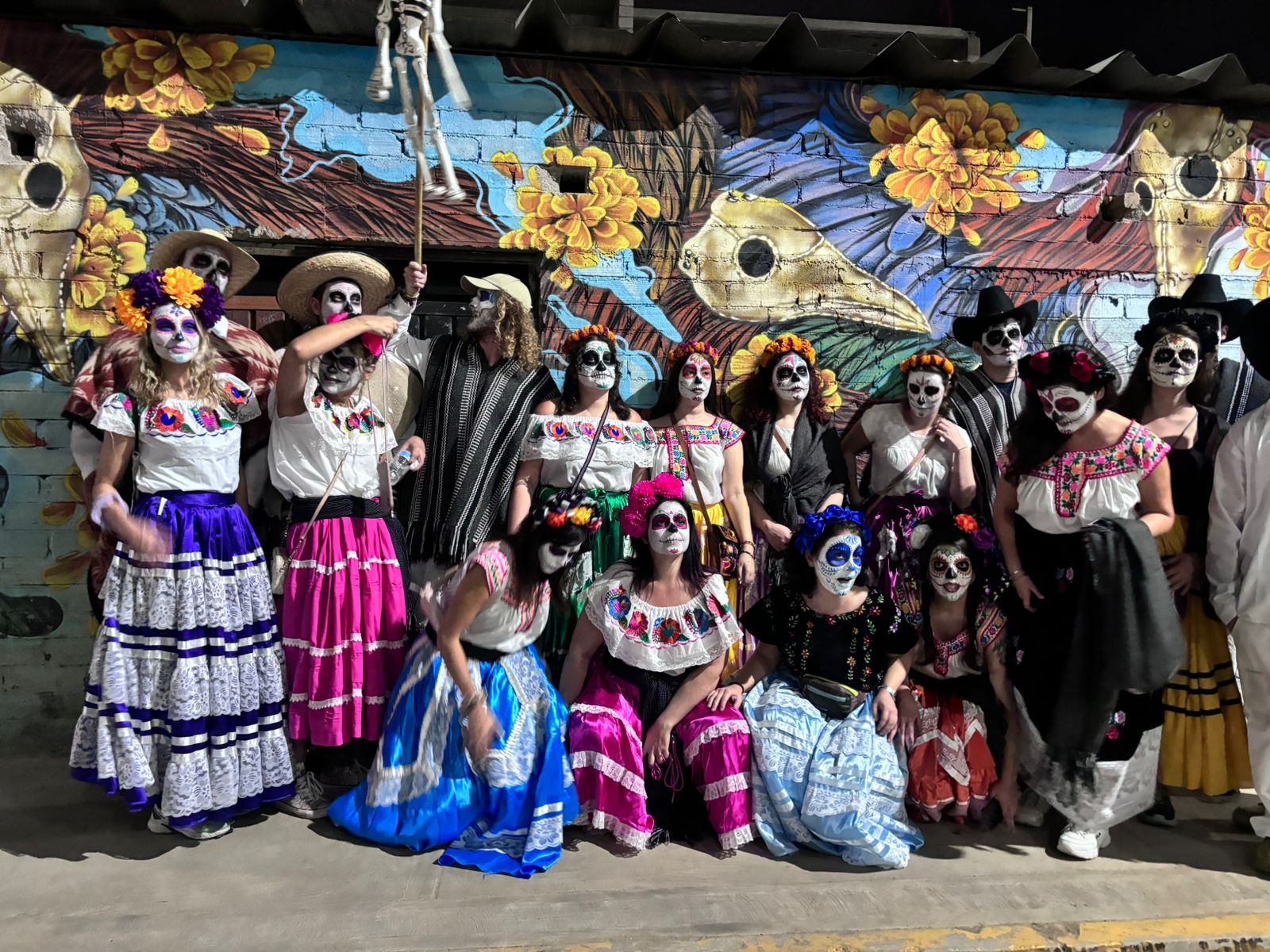
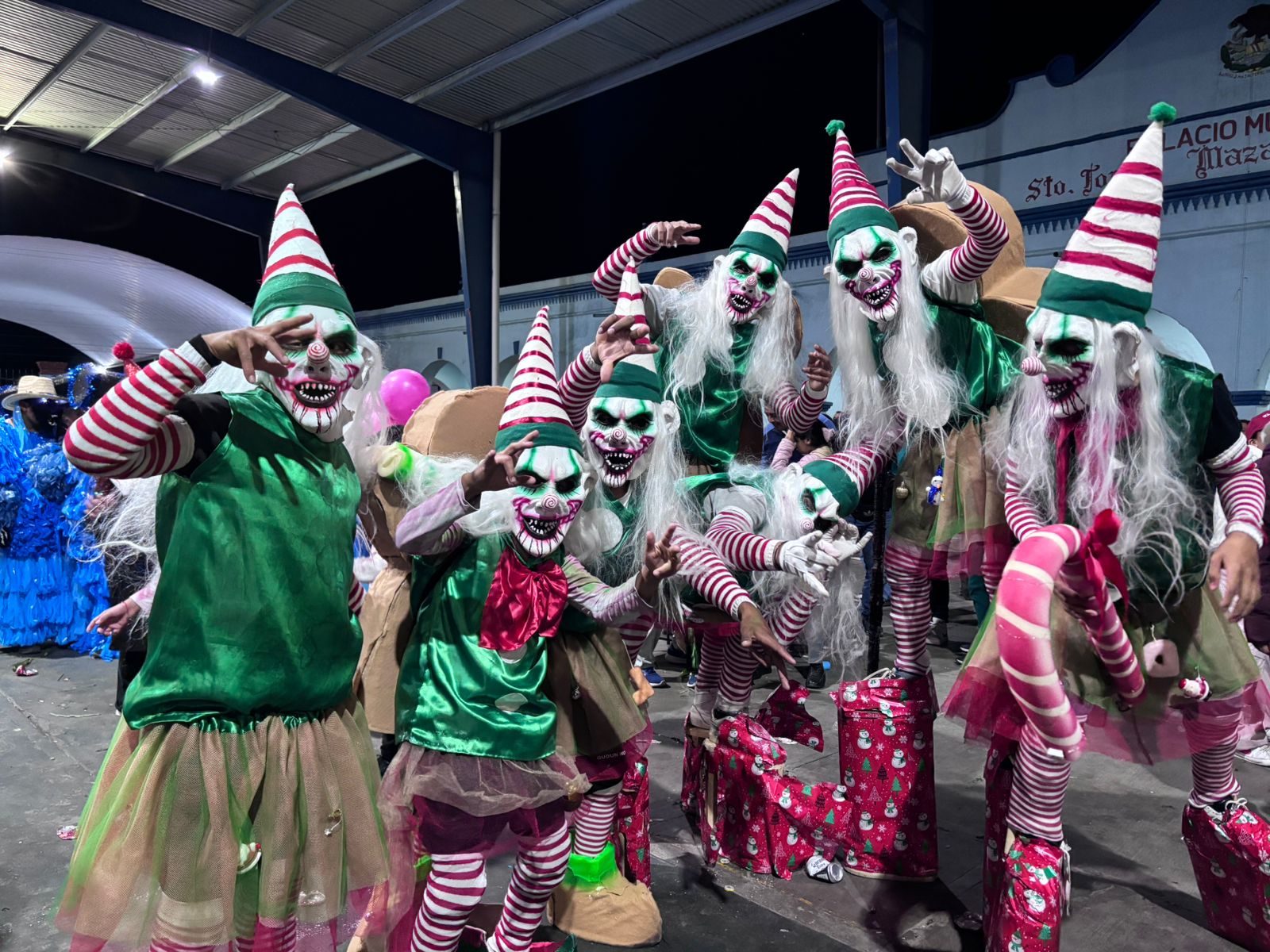
Day of the Dead in Oaxaca, by contrast, rests on much older, community-rooted traditions: overnight cemetery vigils lit by candles and marigold flowers, family altars (ofrendas) set up at home, and comparsas, or muerteadas — costumed processions led by live brass bands that move through village streets, especially in towns in the Etla valley. These practices weren't invented for the cameras; they exist because Oaxacan families genuinely believe their loved ones return to visit on those nights. UNESCO recognized this festivity as Intangible Cultural Heritage of Humanity in 2008, and that recognition was granted specifically for indigenous community traditions like those found in Oaxaca and Michoacán — not for the capital's parade.
Head-to-Head Comparison: Oaxaca vs. Mexico City
| Aspect | Oaxaca | Mexico City |
|---|---|---|
| Origin of the tradition | Centuries-old indigenous, community-rooted practices | A mix of local tradition with the modern parade (created in 2016) |
| Signature event | Cemetery vigils, family altars, comparsas and muerteadas | Large parade on main avenues, mega-altar in the Zócalo |
| Atmosphere | Intimate, community-driven, often in small towns | Massive, festive, big-city energy |
| Crowd levels | Moderate — popular cemeteries fill up, but surrounding towns keep their local character | Enormous — the parade draws hundreds of thousands |
| Weather in late Oct/early Nov | Warm days (~72-79°F / 22-26°C), cool nights (~50-57°F / 10-14°C) due to altitude | Warm days (~68-73°F / 20-23°C), cool nights (~48-54°F / 9-12°C), chance of leftover rain |
| Food scene | Traditional markets, mezcal, regional pan de muerto, chef-driven Oaxacan cuisine | Huge international variety, fine dining, historic markets like La Merced |
| Best for | Travelers seeking authenticity, living culture, and contact with local communities | Travelers who want a grand urban spectacle and capital-city nightlife |
| Approximate travel cost | Generally more affordable; lodging and food cost less than in the capital | Higher, especially lodging in the Historic Center during these dates |
| UNESCO recognition | Directly tied to the traditions recognized in 2008 | Doesn't apply to the parade; the underlying tradition in the capital is more diluted by urbanization |
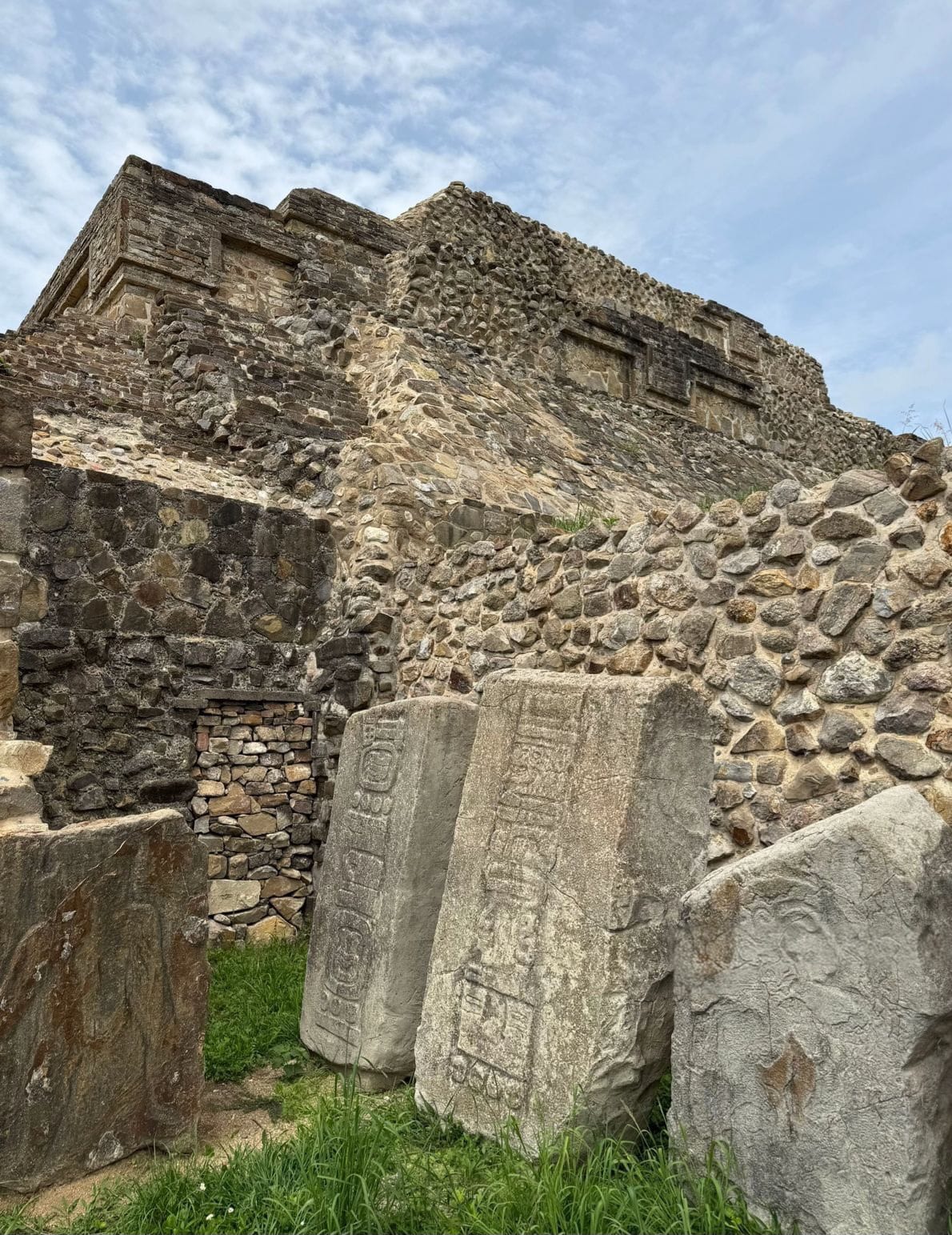
| Easy to combine with | Archaeology (Monte Albán), nature (Hierve el Agua), and food in the same region | Museums, nightlife, and other parts of Mexico City |
The Weather Factor: What to Expect in Each City
Weather matters more than most travelers anticipate when planning a Day of the Dead trip. Oaxaca City sits at about 5,100 feet (1,555 meters) above sea level, in a valley surrounded by mountains. By late October and early November, the rainy season is winding down, so days tend to be sunny and mild, with highs between 72-79°F (22-26°C), while nights — crucial if you're planning to attend an overnight cemetery vigil or a muerteada that runs until dawn — can drop to 50-57°F (10-14°C). A jacket or sweater is essential, even if the day started out warm.
Mexico City, at a slightly higher altitude (about 7,350 feet / 2,240 meters), follows a similar but slightly cooler pattern: daytime highs of 68-73°F (20-23°C) and nighttime lows of 48-54°F (9-12°C), with a chance of leftover showers as the rainy season says goodbye. Being a much larger city with far more paved surface, the so-called urban heat island effect can make the city center feel a bit warmer during the day than its surroundings. In both destinations, the recommendation is the same: dress in layers, since the gap between midday and the early morning hours can be considerable.
Comparing the Budget: How Much Does Each Destination Cost?
Your total trip cost can tip the scales, especially if you're traveling on a tight budget or planning to stay several days. While prices vary by traveler type, a few general trends hold consistently year after year:
- Lodging: Mexico City, as a megacity with year-round international demand, generally carries higher hotel rates than Oaxaca — and that gap widens during Day of the Dead, when hotels in the capital's Historic Center often sell out and prices climb noticeably. In Oaxaca, while there's also a seasonal uptick, boutique lodging and Airbnb-style stays tend to stay more reasonably priced by comparison.
- Food: Eating at traditional markets and local eateries is affordable in both destinations, but high-end dining tends to cost more in the capital, simply due to the size and competitiveness of its restaurant scene. Oaxaca offers a particularly strong value in traditional cuisine — markets like Mercado 20 de Noviembre let you eat authentic dishes at accessible prices.
- Local transport: Both cities offer public transit and ride-share apps at similar prices, though Mexico City has a much more extensive metro network, which can save money on long trips across town.
- Activities and tours: Guided tours in Oaxaca — cemeteries, comparsas, archaeological excursions — tend to be reasonably priced compared to equivalent tourist activities in the capital, where mass tourism demand also pushes prices up during peak dates.
Overall, a Day of the Dead trip to Oaxaca usually represents a noticeable savings compared to an equivalent trip to Mexico City, without sacrificing quality of experience — in fact, many travelers report feeling like their money simply goes further in Oaxaca.
What You'll Actually Experience in Oaxaca
Choose Oaxaca and your experience will likely be a mix of the following: walking past market stalls piled high with marigold flowers and pan de muerto in the days leading up to the festivity; visiting a cemetery like Xoxocotlán or Santa María Atzompa on the night of October 31, where entire families gather beside candlelit graves to share stories, pray, and remember; and, if you're lucky enough to be in the Etla area on the night of November 1, witnessing a muerteada — a live brass band followed by dozens of people dressed as devils, catrinas, and traditional characters, moving through the streets until dawn.
- Cemetery vigils with real candles, flowers, and offerings — not performances staged for tourists
- Comparsas and muerteadas with live brass bands, especially strong in Etla
- Colorful markets full of marigolds, pan de muerto, and seasonal crafts
- Family altars visible in homes, businesses, and public spaces throughout the city
- A regional food scene built around mole, tlayudas, and artisanal mezcal, available in markets and restaurants at every price point
- A slower pace, typical of a mid-sized city surrounded by towns with strong local identity
What You'll Actually Experience in Mexico City
Choose the capital and the centerpiece is different: the grand parade down Paseo de la Reforma and through the Historic Center, with elaborate floats, giant skull sculptures, and thousands of people painted as catrinas moving through the crowd. The Zócalo typically hosts a monumental mega-altar, and there are cultural events, exhibitions, and extended nightlife across the city. On the food side, Mexico City offers a scene that's almost unmatched in scale: from street stalls to internationally acclaimed restaurants, plus historic markets like La Merced or San Juan. It's a visually spectacular, highly photogenic event, ideal for anyone who wants to be immersed in a world-class, large-scale celebration. The trade-off is that, being a massive and relatively recent event, it carries less of the intimate, family-rooted texture found in Oaxacan towns — and the crowds can be overwhelming.
Which One Should You Choose, Based on Your Travel Style?
There's no universal answer — it depends on what kind of traveler you are.
- Choose Oaxaca if you want a culturally deep experience, real contact with local communities, a slower pace, a more flexible budget, and the chance to combine Day of the Dead with archaeology, nature, and food in the same region.
- Choose Mexico City if you want a grand urban spectacle, don't mind massive crowds, have a larger budget, and want to pair the festivity with world-class museums, nightlife, and megacity energy.
- Consider both if your itinerary allows it: many travelers combine a few days in CDMX before or after visiting Oaxaca, since flights between the two cities are frequent and affordable.
If your priority is experiencing the traditions closest to the ones that earned UNESCO recognition, Oaxaca is, without comparison, the destination closest to the festivity's real roots. Check the Oaxaca State Tourism Board for updated official information on dates and seasonal activities.
Guided Day of the Dead Experiences in Oaxaca
| Tour | When | What's included | Price |
|---|---|---|---|
| Cemetery Night Tour | Night of October 31 | Guided visit to traditional cemeteries with cultural context and respect for grieving families | From $1,550 MXN |
| Muerteada in Etla | Night of November 1 | Live comparsa with brass band, costumes, and a community procession through Etla | From $1,550 MXN |
Practical Tips No Matter Which You Choose
- Book well in advance: both Oaxaca and Mexico City fill up weeks or months before late October. Hotels, flights, and tours sell out fast.
- Respect family spaces: in Oaxaca, cemeteries are active mourning sites for many families — visit quietly and respectfully, and avoid direct flash photography of people without permission.
- Bring cash: in both destinations, many market stalls and local transport don't accept cards.
- Pack layers: nights are cool in both cities, especially given their altitude.
- Consider a guided tour if you're visiting cemeteries or comparsas for the first time — a local guide helps you understand the real meaning behind what you're seeing and how to behave appropriately.
Frequently Asked Questions About Day of the Dead: Oaxaca vs. Mexico City
Is it true the Mexico City parade isn't an old tradition?
Yes. The large-scale parade through Mexico City's streets was first organized in 2017, inspired by a fictional scene in the James Bond film Spectre (2015). Before that, no parade of this kind existed in the capital. It's a real and very popular event today, but a recent, tourism-driven creation rather than an ancestral custom.
Which destination is more affordable?
Generally, Oaxaca tends to be more affordable than Mexico City, especially for lodging during Day of the Dead season, when prices in the capital rise considerably due to demand from the parade.
Can I visit both destinations on the same trip?
Yes, this is a popular option. There are frequent, relatively short flights between Mexico City and Oaxaca, making it easy to combine a few days of each experience if your itinerary allows.
Which is more respectful of the original tradition?
The practices in Oaxaca — cemetery vigils, family altars, and community comparsas — are more directly connected to the indigenous traditions recognized by UNESCO in 2008. This doesn't mean the CDMX parade is disrespectful, but it is a modern tourism creation rather than an ancestral custom.
Do I need to book a tour to visit cemeteries in Oaxaca?
It's not mandatory, but it's strongly recommended for first-time visitors. A local guide helps you understand the cultural context, identify which cemeteries are appropriate to visit as a tourist, and behave with the respect these family spaces deserve.
Which city has better weather for walking around all day?
Both offer mild, pleasant days for walking, though Oaxaca tends to have clearer skies during this period, while Mexico City can see more cloud cover and occasional light rain left over from the departing rainy season.
Conclusion: Two Valid Ways to Honor the Dead
Both Oaxaca and Mexico City offer genuine — though very different — ways to connect with Day of the Dead. If your priority is spectacle, crowds, and megacity energy, the capital won't disappoint. But if you're looking for the experience that inspired this tradition's worldwide recognition — candles in cemeteries, comparsas moving through village streets, families gathered around their altars — Oaxaca offers a closer connection to the festivity's real roots, usually on a friendlier budget. Whichever you choose, travel with respect: you're witnessing how entire communities honor those who are no longer here, and that privilege deserves gratitude, not just a good photo.
Information can change; confirm schedules and availability before booking. Check Mexico's Federal Tourism Board (SECTUR) for updated national tourism guidelines.