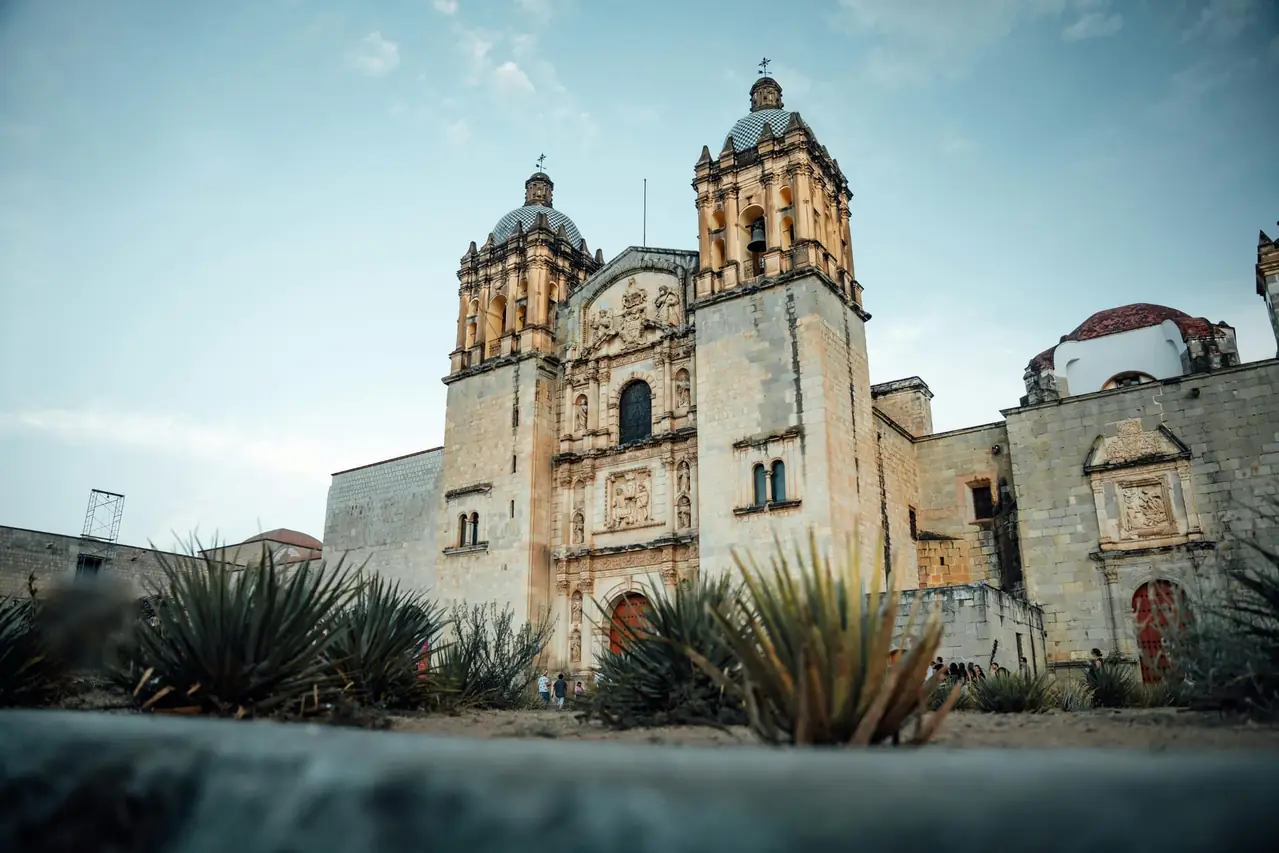
Once Day of the Dead's marigolds have wilted and November's comparsas have packed away their costumes, Oaxaca settles into one of its most endearing — and curiously under-the-radar — seasons for international travelers: December. Between hand-carved giant radishes, neighborhood posadas, clear skies, and cold mountain nights, the year's last month offers a quieter, but equally authentic, version of the cultural richness this city is famous for.
Why December Is an Underrated Season
July has Guelaguetza. October and November have Day of the Dead. December, by contrast, rarely makes it onto international itineraries — which is exactly what makes it appealing to travelers looking for the same Oaxacan cultural warmth without the crowds of the more heavily promoted seasons. It's a season of dry weather, clear skies, and a city that decorates, lights up, and fills with its own festivities, many rooted in centuries of tradition.
Night of the Radishes: A Spectacle That Lasts Only Hours
Every December 23rd, Oaxaca's Zócalo turns into an open-air gallery for the Noche de Rábanos (Night of the Radishes), one of the most singular traditions in all of Mexico. Local artisans grow oversized radishes for months specifically for this date, then hand-carve them into figures, nativity scenes, and elaborate tableaux displayed — and judged in competition — for just a few hours that same night. Since it's a fresh vegetable, the pieces begin wilting almost immediately, making the Night of the Radishes a genuinely fleeting spectacle: if you're not there that night, you simply miss it.
How This Tradition Began
The origins of the Night of the Radishes trace back to the colonial era, when Spanish merchants introduced radishes as a crop in Oaxaca's Central Valleys. Over time, some radishes grew unusually large and irregularly shaped in the region's fertile soil, and local farmers began carving them into curious figures as a way to attract buyers at the Christmas market held before Nochebuena. The carving custom grew so popular that, in the early 20th century, the city government decided to formalize it as an official competition with a fixed date — December 23rd — which has continued nearly without interruption ever since, becoming one of Oaxaca's most recognizable Christmas traditions.
What Else Happens Around the Night of the Radishes
- Buñuelo stalls — thin, crispy discs of fried dough dusted with sugar — traditionally served in a simple clay bowl (cajete).
- The custom of smashing the cajete on the ground after eating, making a wish, as a gesture of good luck for the coming year.
- A festive atmosphere across the whole Zócalo, with music, lights, and a crowd of both locals and visitors enjoying the night.
December Calendar in Oaxaca
| Approximate date | Event | What to expect |
|---|---|---|
| Dec 16–24 | Christmas posadas | Neighborhood processions, piñatas, ponche, and carols at churches and in the streets |
| Dec 23 | Night of the Radishes | Radish-carving exhibition and competition in the Zócalo, lasting just a few hours |
| Dec 24–25 | Christmas | Family dinners, live nativity scenes at some parishes |
| Last week of December | New Year's Calenda | Festive processions with music and comparsas through the historic center |
| Dec 31 | New Year's Eve | Family and public-plaza celebrations until midnight |
How December Varies Between the City, the Valleys, and the Coast
Oaxaca is a large, geographically diverse state, and December feels different depending on which region you visit. In Oaxaca City and the Central Valleys, the dry season brings mild, sunny days with cold nights due to the altitude — the perfect backdrop for downtown's festivities and for mountain excursions. In the Sierra Norte, toward towns like Ixtlán de Juárez, temperatures drop even further, with foggy mornings and a sharper cold typical of higher-elevation forest regions. On the Oaxacan coast, toward Puerto Escondido or Huatulco, December brings an entirely different climate: warm by day with mild nights, ideal for travelers who want to pair downtown culture with a beach stretch toward the end of the trip.
New Year's the Oaxacan Way
The night of December 31st in Oaxaca blends family tradition with public celebration. Many families gather at home for a New Year's dinner, typically around midnight, then head out to public plazas — especially the Zócalo — where the festive atmosphere continues with music and fireworks. Some customs common across Mexico more broadly, like eating twelve grapes at the stroke of midnight or wearing a specific color of underwear for good luck, are also practiced in Oaxaca, blended with the city's own character. Unlike Day of the Dead, which centers on memory and indigenous tradition, Oaxacan New Year's Eve carries a much lighter, more festive tone, closing out the year with the same community warmth that defines the city throughout December.
December Weather: Ideal for Exploring
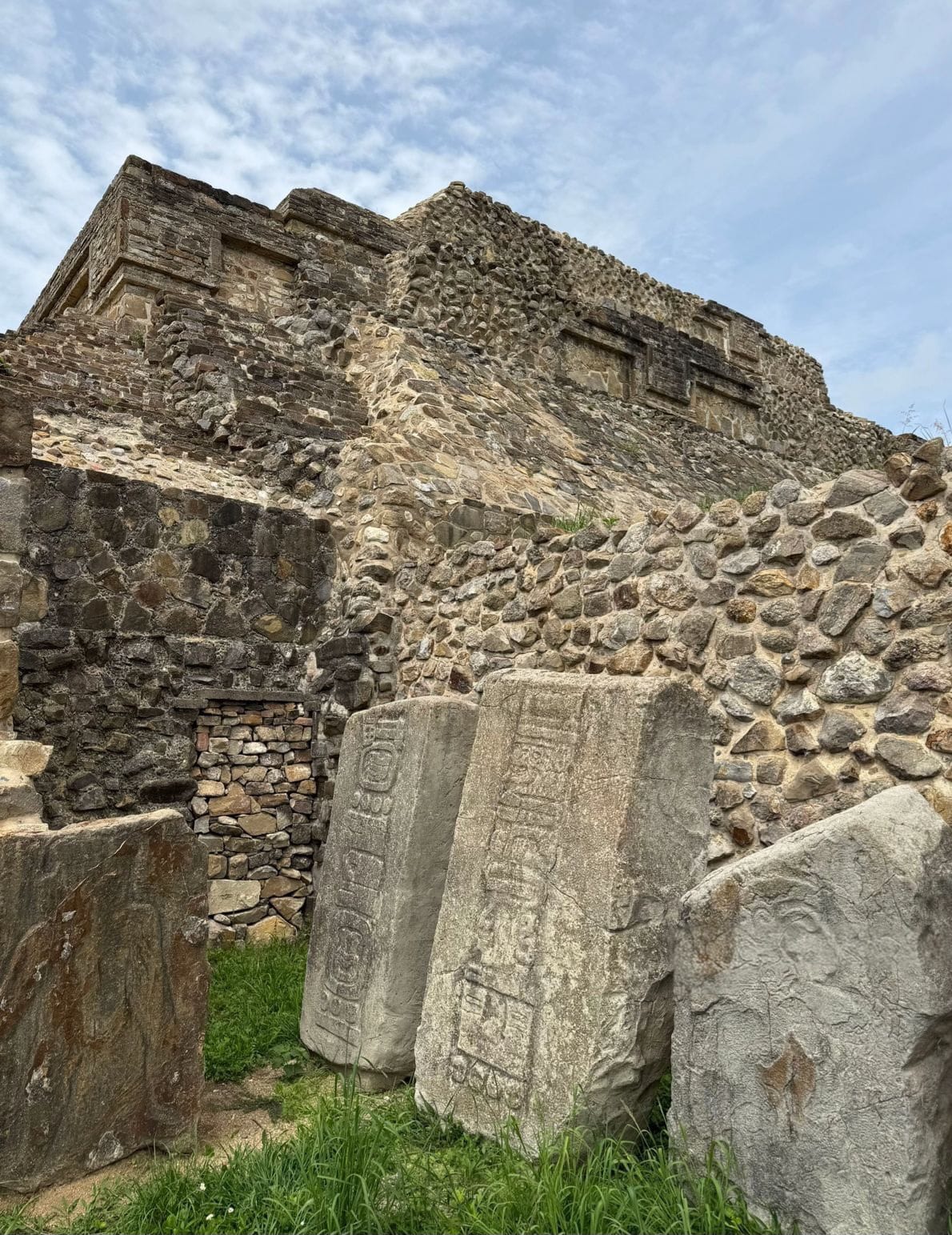
December falls squarely within Oaxaca's dry season. Days tend to be mild and sunny with clear skies, while nights — especially in the city, which sits above 1,500 meters — can turn noticeably cold. In many ways, it's the ideal climate for exploring open-air archaeological sites or heading out on a mountain excursion, without the intense heat of other months or the rains of the wet season.
How to Round Out Your December Visit
Unlike Day of the Dead or Guelaguetza, December doesn't revolve around a single event — it's a season for pairing downtown festivities with excursions that run year-round. The dry, cool weather is particularly favorable for mountain tours and archaeological sites.
| Tour | Duration | Why it pairs well with December |
|---|---|---|
| Monte Albán, Arrazola & San Bartolo | 9 hours | Clear dry-season skies, ideal for photography at the archaeological site |
| Hierve el Agua, Mitla & Mezcal | 8-11 hours | Rain-free outdoor day, ending with a mezcal tasting |
| Sierra Juárez & Glass Viewpoint | 11 hours | The cold mountain air feels right at home this time of year |
Essential Tips for Visiting Oaxaca in December
- Pack in layers: mild days and cold nights mean adjusting your clothing more than once a day.
- Get to the Zócalo early on the Night of the Radishes: the display lasts only a few hours and the area fills up fast.
- Book lodging ahead if your trip spans December 23rd and 31st: these are high-demand dates locally, especially among domestic travelers.
- Take advantage of the dry weather for full-day excursions: it's one of the best times of year for archaeological sites and mountain viewpoints.
- Try buñuelos in their clay cajete and follow tradition by smashing it afterward while making a wish for the new year.
- Planning to combine the city and the coast? Keep in mind the climate shifts dramatically between the Central Valleys and areas like Puerto Escondido, so pack for both.
Frequently Asked Questions About Oaxaca in December
What is the Night of the Radishes?
It's an Oaxacan tradition held every December 23rd in the Zócalo, where local artisans carve oversized radishes into elaborate figures and scenes, displayed and judged in competition for just a few hours that night before the vegetable begins to wilt.
What weather can I expect in Oaxaca in December?
Dry season: mild, sunny days with cold nights, especially in the city due to its altitude. It's favorable weather for outdoor activities.
Does December have fewer tourists than Day of the Dead or Guelaguetza?
Generally yes, especially among international visitors — December doesn't tend to appear as prominently on travel itineraries as those two seasons, though the Christmas dates do draw significant domestic tourism.
What are buñuelos and why do people smash the bowl?
Thin discs of fried dough dusted with sugar, traditionally served in a clay bowl (cajete). Custom holds that you make a wish and smash the cajete on the ground after eating, as a gesture of good luck for the coming year.
Can I pair December with full-day excursions?
Yes, December's dry, cool weather is particularly favorable for year-round tours to archaeological sites and mountain viewpoints.
Is the weather the same across the whole region in December?
No. The city and the Central Valleys have mild days and cold nights; the Sierra Norte is even colder, with foggy mornings; and the Oaxacan coast stays warm throughout December, making it easy to pair with a trip that includes the beach.
Conclusion: A Season Worth Discovering
December doesn't need to compete with Day of the Dead or Guelaguetza — it has its own character, shaped by traditions as singular as the Night of the Radishes and a festive rhythm lived more among neighbors than among crowds of visitors. For travelers who want to experience Oaxaca with the same cultural depth but without the crowds of its more famous seasons, December is, quite simply, one of the best travel decisions of the year.
Information may change; confirm exact festivity dates before your trip. For updated forecasts, check the Servicio Meteorológico Nacional, and for official tourism information, the Oaxaca State Tourism Office (SECTUR).