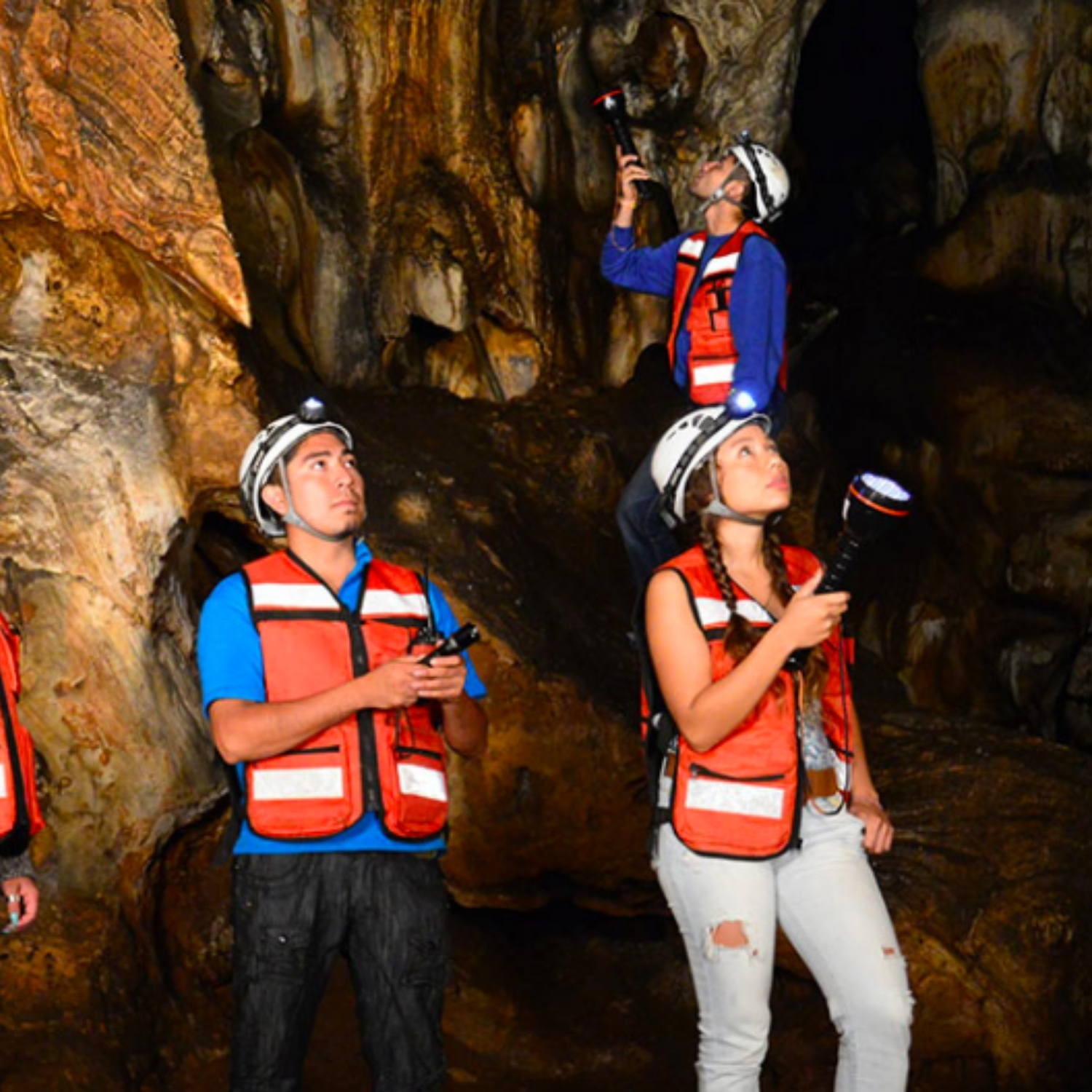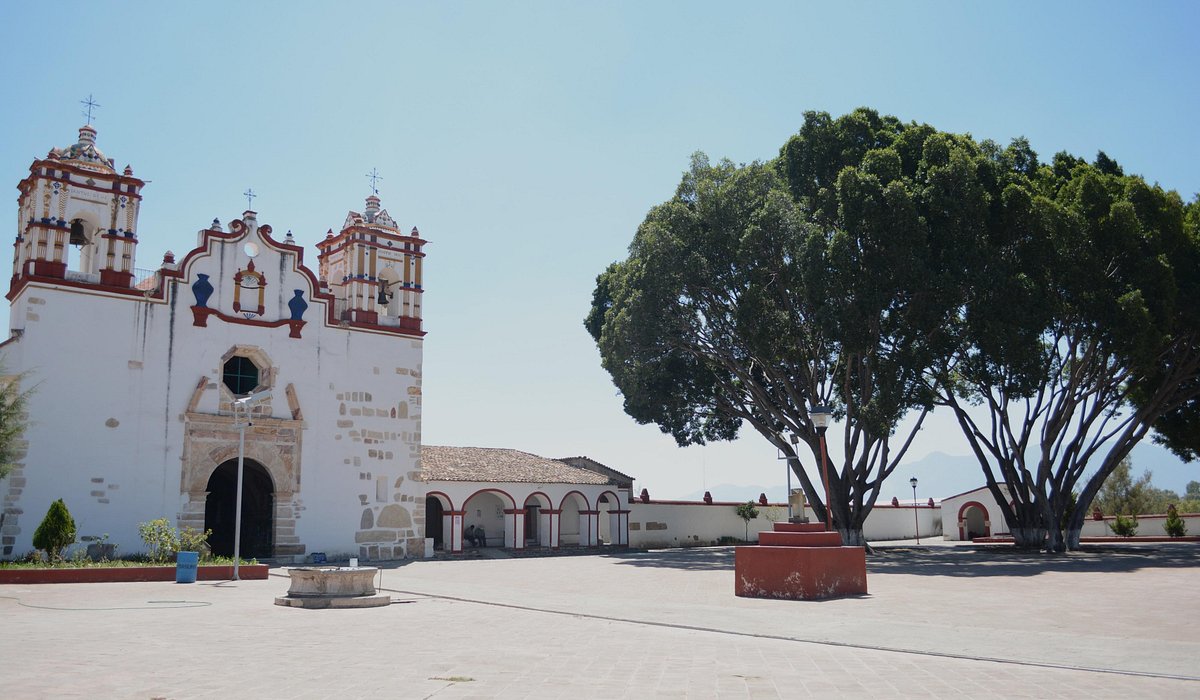
On the northern slopes of the Tlacolula valley, a series of caves and rock shelters preserve a turning point in human history: the shift from hunting and gathering to farming.
The birthplace of maize
In Guilá Naquitz cave, archaeologists found 10,000-year-old Cucurbitaceae (squash) seeds — the earliest known domesticated plants on the continent — plus some of the oldest evidence for maize. The area was inscribed by UNESCO in 2010.
Why it matters
This landscape demonstrates the link between people and nature that gave rise to Mesoamerican civilization itself. It pairs naturally with the nearby ruins of Yagul and Mitla.
See it for yourself
Combine the valley’s archaeology and crafts on our Tlacolula valley day tour.