

 Oaxaca Culture
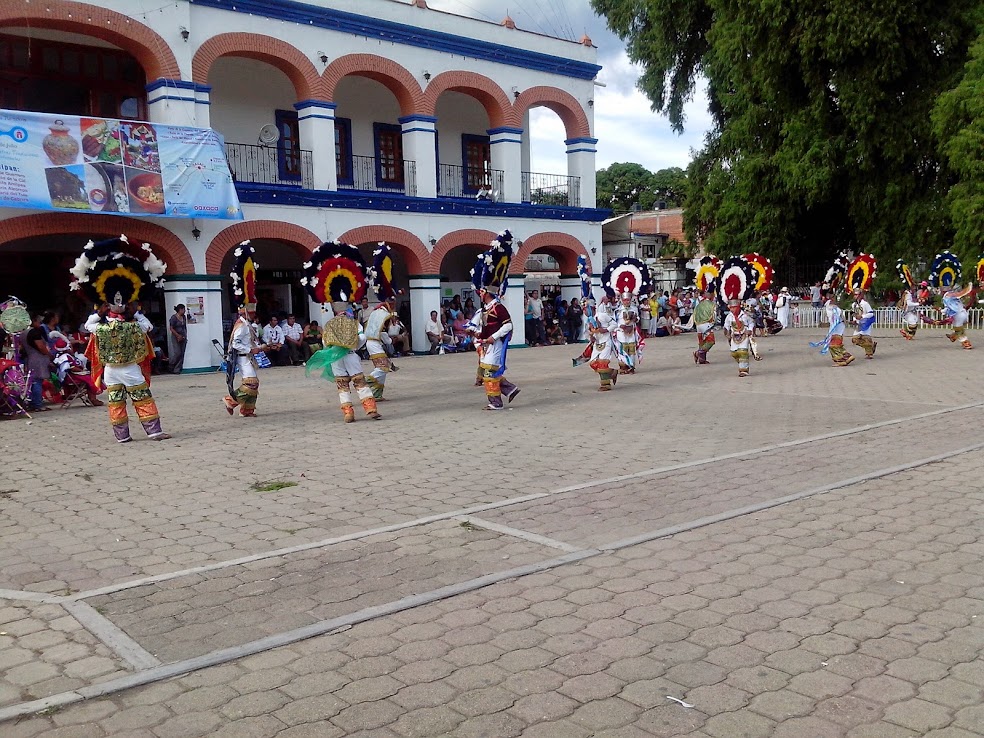
The towering headdresses of the Feather Dance are among Oaxaca’s most recognizable images. Its meaning becomes clearer beyond the stage, in villages where performers train for years and the dance remains connected to workshops, patron-saint festivals and community memory.
A dance built on commitment
Sequences, jumps and characters require sustained preparation. Costumes hold specialized work too: embroidery, mirrors, feathers and symbolic elements maintained within the community.
Teotitlán del Valle
Beyond its rugs, Teotitlán has a rich ceremonial life. Family workshops connect design, color and Zapotec worldview with expressions seen during Guelaguetza.
Santa María del Tule
The Tule Tree is a brief but powerful stop. Its longevity and community care echo the continuity celebrated by the festival.
Experiencing tradition respectfully
Ask before photographing people, avoid interrupting ceremonies and buy directly from workshops when possible. A local guide provides context and helps visits benefit tradition keepers.
Practical tips for your visit
- Book early: July is peak season.
- Confirm schedules on the day of travel.
- Carry cash, water, a hat and a light rain jacket.
- Respect communities and ask before photographing people.
Experience Oaxaca beyond the stage
Guelaguetza sparks curiosity; a local tour turns it into real memories, encounters and landscapes.
Frequently asked questions
When are the 2026 Mondays on the Hill?
July 20 and 27, with announced performances at 10:00 a.m. and 5:00 p.m.
Should I book tours during Guelaguetza?
Yes. High occupancy and road closures make coordinated transport particularly useful.
Can details change?
Yes. Check the official program and confirm availability before leaving.
Date source: Official Guelaguetza 2026 program. Featured image: Wikimedia Commons; see the file page for author and license.